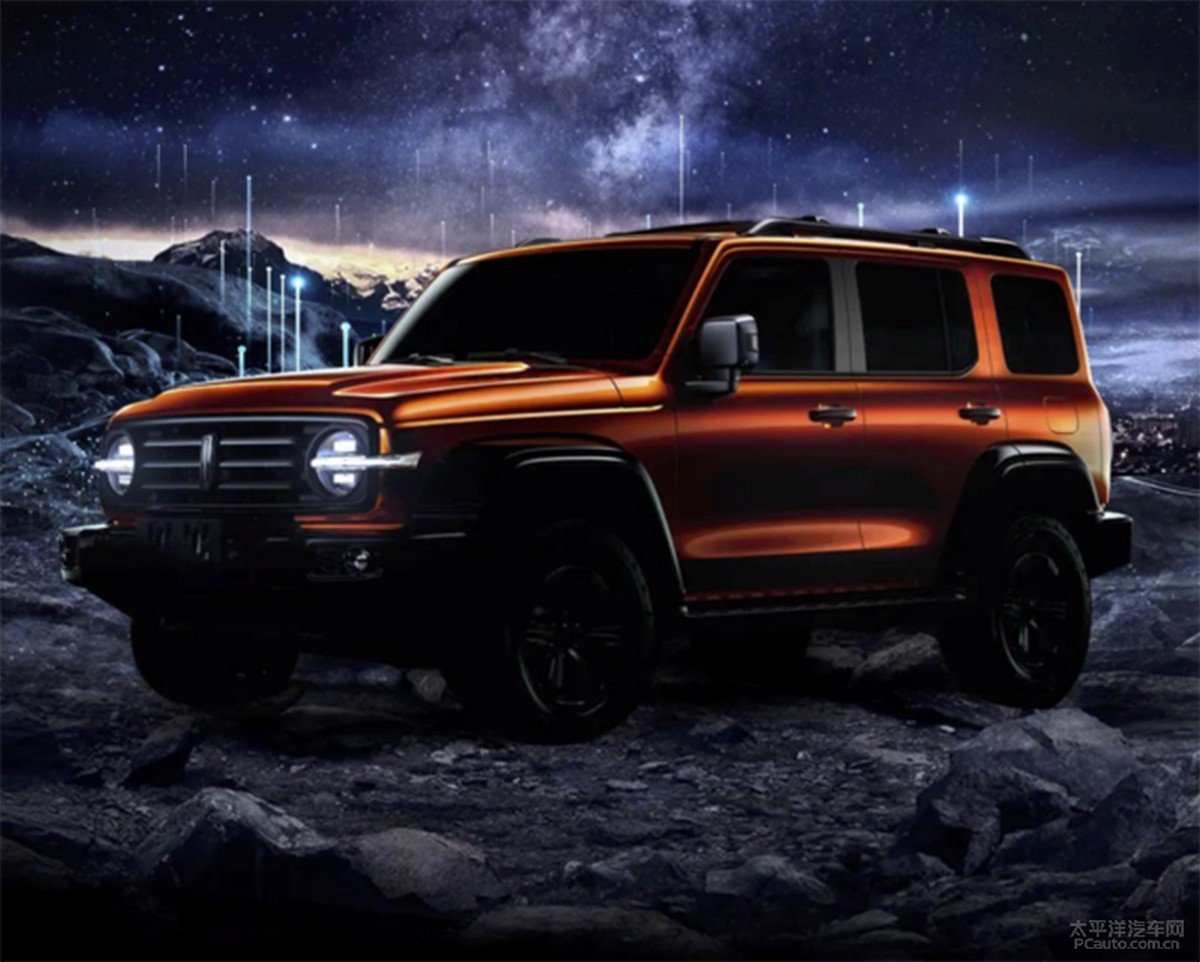
There's a certain irony in a Chinese automaker named after history's most famous barrier building its modern reputation on crossing them. While the world's motoring press fixates on the EV price war redrawing Europe and North America, Great Wall Motor has quietly assembled something rarer: a portfolio of body-on-frame SUVs and pickups engineered for the markets legacy manufacturers treat as afterthoughts. This isn't a story about Chinese manufacturing scale. It's a story about terrain — the geographic kind and the political kind.
The name itself carries a strange ambiguity. The *South China Morning Post* and *The Cool Down* report Ming-era masonry damaged by two decades of mine waste dumping. *China Daily* counters with digital conservation technology, and Qian'an hosts global heritage dialogues under the banner "Assembly by Great Wall." Trail runners race 23 kilometres across Jinshanling in the Salomon Golden Trail World Series. The wall endures, is contested, is celebrated, is restored. Great Wall Motor operates in much the same register — a name that means something different depending on where you stand.
The Unfashionable Brief
Great Wall's Haval and Tank lines have found their footing in Australia, South Africa, Chile, the Middle East, and Southeast Asia — places where roads degrade fast, fuel quality swings wildly, and dealer networks for the established brands thin out beyond the capital. A Tank 300 or a Haval H6 isn't trying to out-luxury a Range Rover. It's trying to start on a cold morning in the Pilbara, survive a Bolivian altiplano pass, and keep its warranty intact where a Land Cruiser costs twice as much.
That engineering brief is unglamorous. It is also, crucially, achievable. And it breeds a distinct kind of customer loyalty: the buyer who needs a vehicle to work, not to signal.
Tariffs Raise Walls. Factories Go Around Them.
Then comes the tariff question. Great Wall has absorbed the same protectionist wave reshaping global trade — European Union duties on Chinese EVs, American barriers that effectively close the world's second-largest market, and increasingly wary regulators in India and Turkey. Its response has been instructive. Rather than fight tariffs rhetorically, it has localised.
A reported partnership with Jilian to support complete vehicle engineering in Brazil follows a playbook Great Wall has already run in Thailand, where it operates a full manufacturing base, and in Russia, where it became a dominant foreign brand almost by default after Western withdrawals. Tariffs raise the cost of importing. They do not raise the cost of building elsewhere. That distinction is the whole game.
Why the SUV Focus Is Strategically Elegant
Here's where the product mix stops looking conservative and starts looking clever. Electric vehicles invite regulatory scrutiny because they sit at the dead centre of industrial policy — batteries, subsidies, charging infrastructure, national security. Diesel and petrol SUVs and utes, by contrast, slip through the tariff net more easily, particularly in emerging markets that need working vehicles more than they need ideological victories.
Great Wall has not abandoned electrification; its Ora brand and hybrid Havals exist. But its commercial centre of gravity remains the rugged, combustion-powered, high-clearance vehicle a farmer in Queensland or a mining contractor in Chile actually needs. The electrified future is a hedge. The diesel present is the business.
Growing Pains, Not Structural Failures
The weaknesses are real. Brand prestige remains shallow. Resale values are inconsistent. Quality control has drawn criticism in some markets. Yet these are the ordinary growing pains of a manufacturer learning to compete globally, not the symptoms of a broken strategy.
What Great Wall has done is something few Chinese automakers have managed: it has built an identity around a specific customer rather than a specific technology. Toyota did this with the Land Cruiser. Jeep did it with the Wrangler. Great Wall is attempting the same trick at a lower price point, in markets the incumbents have quietly abandoned.
Where roads end, the brand's value proposition begins. Where tariffs begin, its localisation strategy takes over. That double movement — geographic and political — explains why a company named after a defensive wall has become one of the industry's more aggressive exporters. The wall, after all, was never really about keeping people out. It was about controlling the terms on which they arrived. Great Wall Motor appears to have absorbed that lesson better than most.