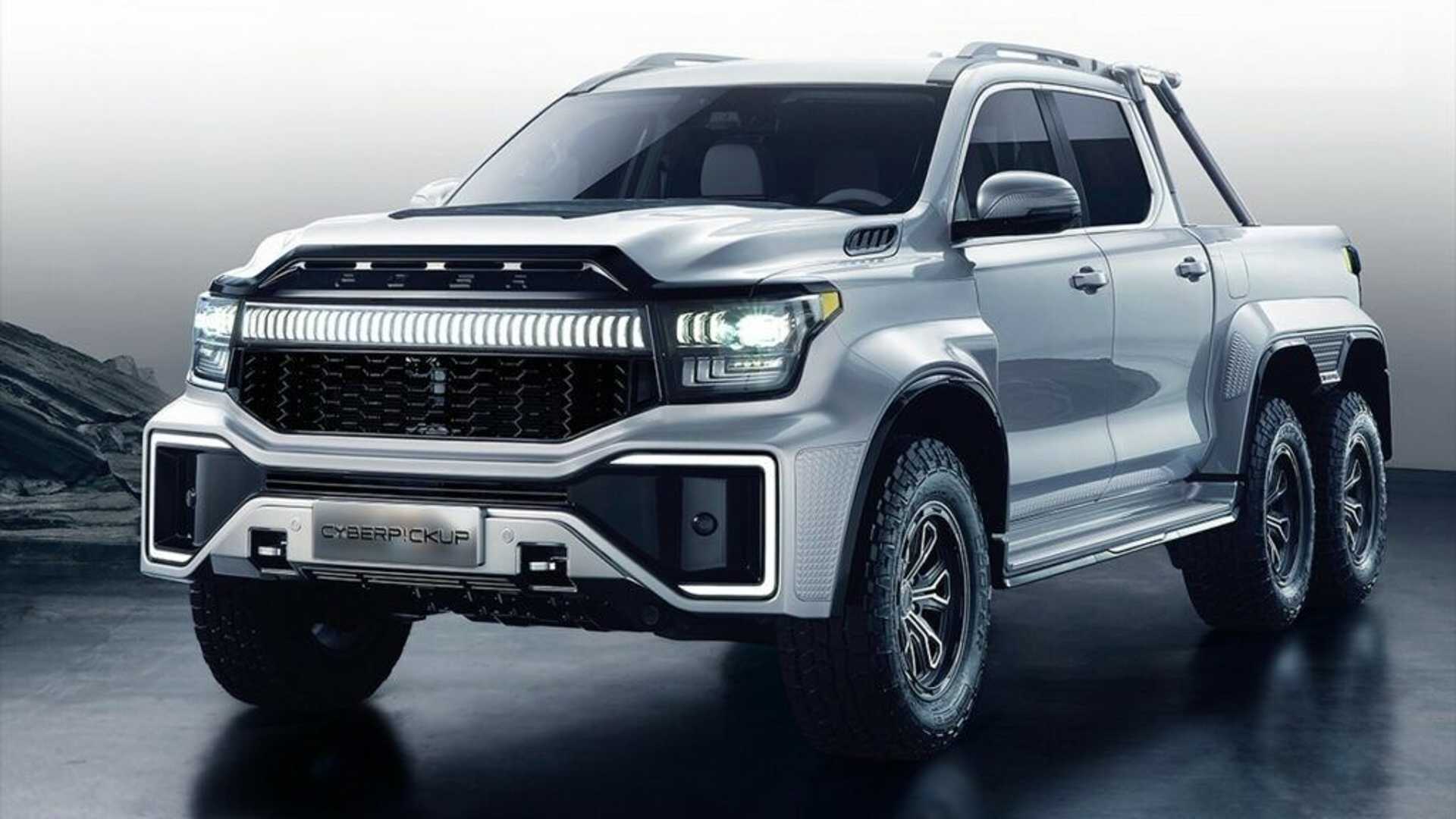
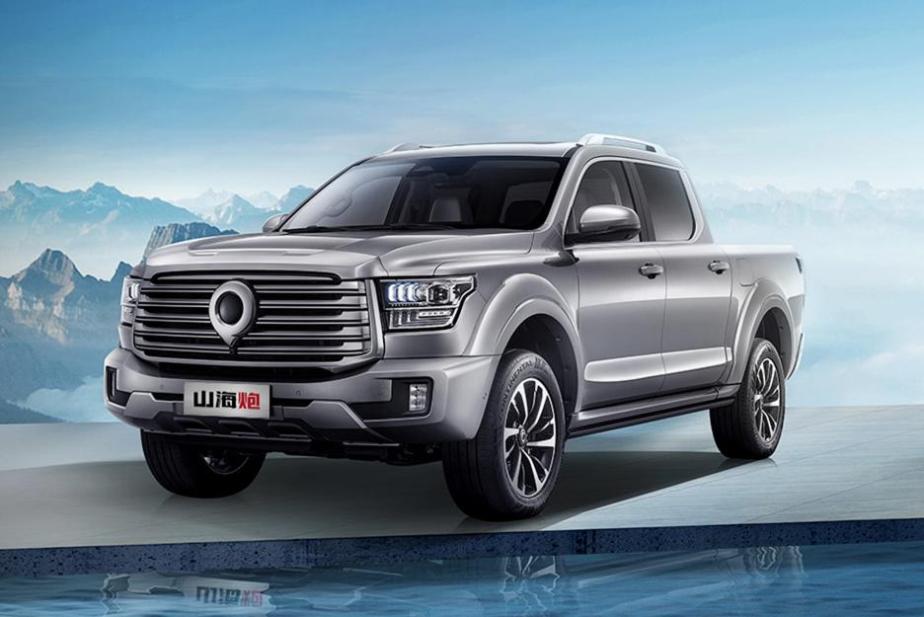
Let’s be honest: when the global auto industry spent the summer bleeding margin and whispering about inventory gluts, nobody expected a Chinese SUV specialist to throw the most interesting punchline of the quarter. But there it was—Great Wall Motor’s Q2 earnings, released in late August, quietly becoming one of the most compelling reads in the sector. While headlines were busy with NBA players bricking free throws in Shenzhen or archaeologists uncorking 2,300-year-old wine near the Great Wall, the real artifact of the season was sitting in a financial report out of Baoding. And it wasn’t the kind of archaeology that makes for good television.
This is a company long dismissed by Western analysts as a domestic-market also-ran, yet its latest numbers tell a radically different story. Revenue softened. Headline profit dipped. But dig past the top line and you find a margin structure that held up far better than rivals—driven by a product mix leaning hard into high-trim SUVs and the premium Tank and Wey sub-brands. In a market where Chinese consumers are trading down in almost every category, Great Wall held average selling prices steady by pushing luxury and off-road derivatives. That’s not luck. That’s positioning.
The Discipline of Saying No
Let’s talk about the bloodbath. The global SUV segment has become a discounting free-for-all, with legacy players in Europe and North America slashing prices to clear lots. Great Wall, by contrast, has been disciplined—almost stubbornly so—refusing to chase volume at the expense of profitability. While rivals panic-sold their way into red ink, Great Wall posted a profit. Even a reduced one counts when your peers are reporting operating losses.
That discipline extends to the export strategy. Markets like Australia, the Middle East, and increasingly Latin America have become a cushion that domestic-only competitors simply don’t have. The GWM-badged vehicles—especially the Tank 300 and Tank 500—have carved out a niche as credible alternatives to Japanese and American off-roaders, often at a significant price advantage. These aren’t budget knockoffs scraping by on price alone; they’re properly engineered machines that happen to undercut the competition by a meaningful margin. That export mix now accounts for a substantial chunk of revenue, and it’s the quiet engine behind Q2’s resilience.
The Pragmatic Bridge
Here’s where the structural story gets interesting. While many Chinese automakers are racing to build sprawling EV-only lineups and burning cash in the process, Great Wall has hedged its bets. Their Hi4 hybrid system—which pairs a combustion engine with electric motors for all-wheel-drive capability—is proving to be a genuinely clever piece of engineering. It’s a bridge technology, sure, but it’s also a winning formula in markets where charging infrastructure is still a myth.
The result? Great Wall can sell a PHEV SUV that doesn’t require its owner to believe in the EV revolution—just in getting to work on time without range anxiety. That pragmatism shows up directly in the earnings: steady, if unspectacular, growth in the premium segment while mainstream EV makers report mounting losses. In a world obsessed with disruption, there’s something refreshingly old-school about building a hybrid that actually makes sense for real people.
The Moat Nobody’s Talking About
The negative analyst takes—particularly the one questioning whether the valuation gap is too wide—miss a crucial point. Great Wall is not a growth stock in the traditional sense; it’s a value play with a moat. The company owns its supply chain, runs a vertically integrated battery division, and has resisted the temptation to over-expand into unprofitable segments. In an industry where everyone’s chasing the next shiny thing, Great Wall has been quietly building a fortress.
As the broader Chinese auto market consolidates and weaker players get squeezed out, companies with this kind of operational discipline are the ones positioned to emerge stronger. The market’s reaction to Q2 has been muted, sure. But the fundamentals are quietly improving, and the valuation gap some analysts have flagged may not be a gap at all. It might just be a discount that smart money is starting to recognize.
The Bottom Line
So yes, Jayson Tatum may have gone 0-for-10 from the free-throw line in Shenzhen, and archaeologists may have found ancient wine in a Great Wall ruin. But the most relevant artifact of the season is that earnings report out of Baoding. Great Wall Motor is proving that in an industry obsessed with disruption, there is still enormous value in doing the unglamorous work of building solid, profitable SUVs—and selling them to people who actually want them. That’s not a strategy for the history books. It’s just good automotive sense.