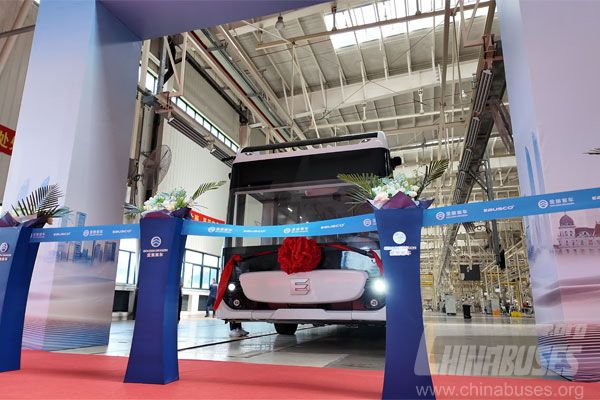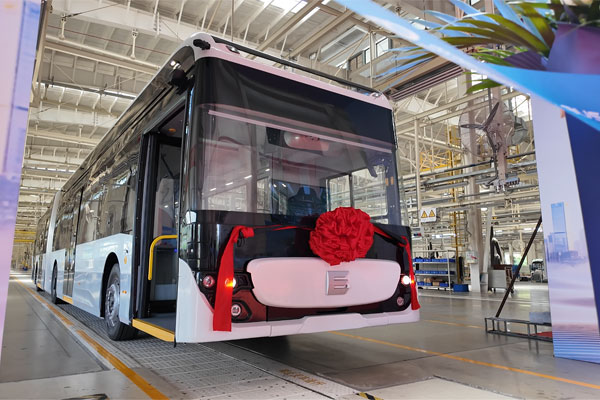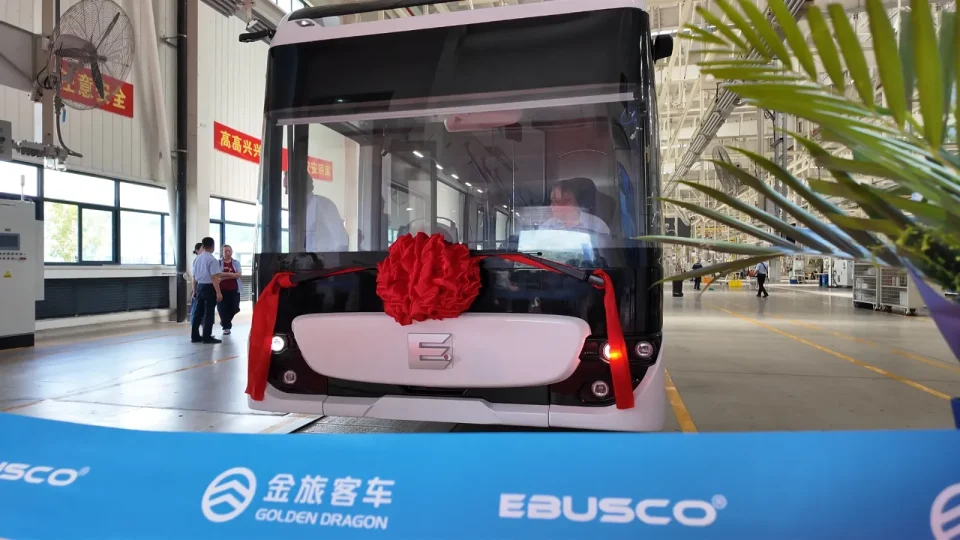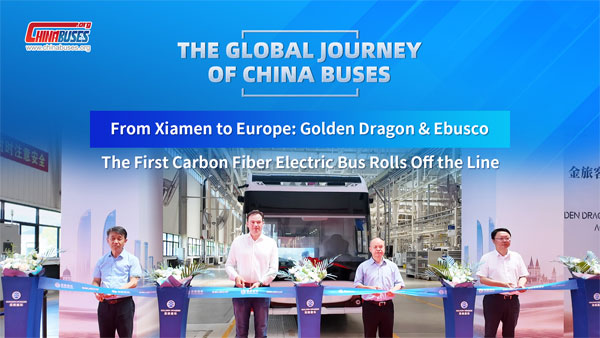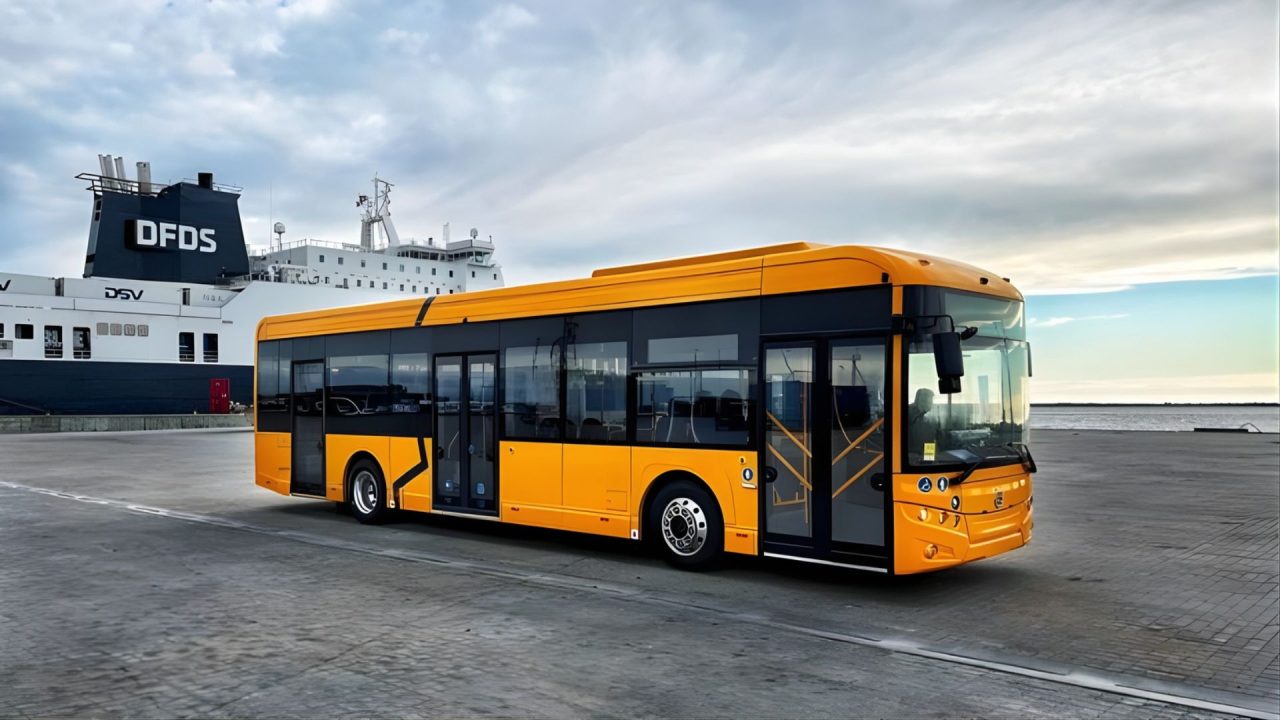
Golden Dragon is a name that has travelled far beyond the bus industry. It belongs to a storied restaurant dynasty in the UAE, a celebrated couture gown, a beloved Lunar New Year parade. But for those who follow the automotive world with any seriousness, the name now carries a heavier, more consequential weight. Golden Dragon Bus, the Xiamen-based manufacturer with decades of coachbuilding experience, has quietly positioned itself at the centre of Europe's electrification story.
Its partnership with Dutch electric bus specialist Ebusco is not merely another supply agreement. It is a strategic inflection point—a signal of how Chinese manufacturing scale and European engineering sensibilities can converge to reshape the continent's new energy bus market, particularly in the demanding and often overlooked offroad segment. This is where the story gets interesting.
The Segment Nobody Wanted to Electrify
To understand why this matters, you first have to appreciate the peculiar character of Europe's offroad electric vehicle landscape. Unlike the consumer passenger car market, where brand prestige and retail showrooms dominate the narrative, the offroad and commercial bus segment is governed by tenders, total cost of ownership calculations, and brutal operational realities. Municipalities and private operators demand vehicles that can withstand gravel access roads, steep alpine gradients, and the punishing duty cycles of rural shuttle routes.
Electrification of these fleets has lagged behind urban bus deployment precisely because the technical barriers are higher and the margins thinner. It is here that the Golden Dragon–Ebusco collaboration carries genuine transformative potential. This is not a market that rewards showroom polish. It rewards vehicles that start every morning and finish every route.
Composite Thinking Meets Industrial Muscle
Ebusco, headquartered in Deurne, has built its reputation on lightweight composite bus construction and a modular battery architecture that prioritises efficiency over raw range. The company's 3.0 platform represents a meaningful departure from the steel-heavy conventions of traditional bus manufacturing, leveraging composite materials to shave hundreds of kilograms from the vehicle's kerb weight. That weight advantage translates directly into reduced energy consumption—a critical consideration for offroad routes where regenerative braking opportunities are limited and payload variability is high.
By pairing this European composite expertise with Golden Dragon's formidable manufacturing capacity and supply chain depth, the partnership addresses the single greatest constraint on electric bus adoption: the ability to deliver proven vehicles at scale, at a price point municipal budgets can tolerate. Efficiency, in other words, is only half the battle. The other half is getting the things built.
Operational DNA From the Hardest Roads on Earth
Golden Dragon's own trajectory makes this collaboration logical rather than opportunistic. The manufacturer has spent years supplying electric buses to markets across Asia, Africa, and Latin America, accumulating operational data from some of the world's most challenging environments. Its vehicles have logged millions of kilometres on unpaved roads, in extreme heat, and through monsoon seasons. This is not the polished, curated experience of a European OEM testing in controlled conditions; it is the raw, attritional knowledge that comes from fleets that must run every day or fail their operators.
Bringing that operational resilience into a European context—tempered by Ebusco's engineering rigour and compliance with EU safety and emissions standards—creates a proposition neither company could credibly offer alone. One brings the scar tissue. The other brings the spreadsheet discipline. Together, they cover ground that premium European pricing and uncertain imported alternatives have left exposed.
The Regulatory Clock Is Ticking
The timing is instructive. Europe's Clean Vehicles Directive has placed binding targets on public procurement, mandating that a significant proportion of new bus purchases be zero-emission. Yet many operators, particularly those serving peri-urban and rural offroad routes, have struggled to identify vehicles that meet both the regulatory threshold and their operational requirements. The Golden Dragon–Ebusco partnership speaks directly to this gap. By combining Ebusco's composite bodywork and battery management systems with Golden Dragon's proven electric drivetrain integration and cost-effective production, the collaboration offers a middle path.
What distinguishes this partnership from the flurry of Sino-European automotive joint ventures is its specificity. This is not a broad memorandum of understanding about future mobility; it is a focused effort to address a defined market segment with tangible vehicles. The offroad bus sector may lack the glamour of autonomous driving pilots or hydrogen hypercars, but it represents a substantial volume of European procurement spend and a meaningful lever for emissions reduction. Every rural school bus, every park-and-ride shuttle, every mining site transport that transitions from diesel to electric contributes to the continent's decarbonisation arithmetic.
There is also a symbolic dimension worth acknowledging. For decades, the Golden Dragon name has travelled the world through cultural channels—restaurants, festivals, couture. Its appearance on European bus chassis represents a different kind of soft power: the quiet assertion that Chinese manufacturing has moved beyond cost competition into genuine technological partnership. The dragon is no longer merely a decorative motif; it is a badge of industrial capability.
For fleet operators and procurement officers across Europe, the message is clear. The offroad electric bus market is maturing faster than many anticipated, and the Golden Dragon–Ebusco alliance is among the most credible vehicles for that maturation. The partnership does not promise perfection—no new entrant ever does—but it offers something more valuable: a realistic, scalable path toward electrifying the routes that others have found too difficult to address. In the annals of European transport electrification, this may well be remembered as the moment the dragon stopped circling and started delivering.