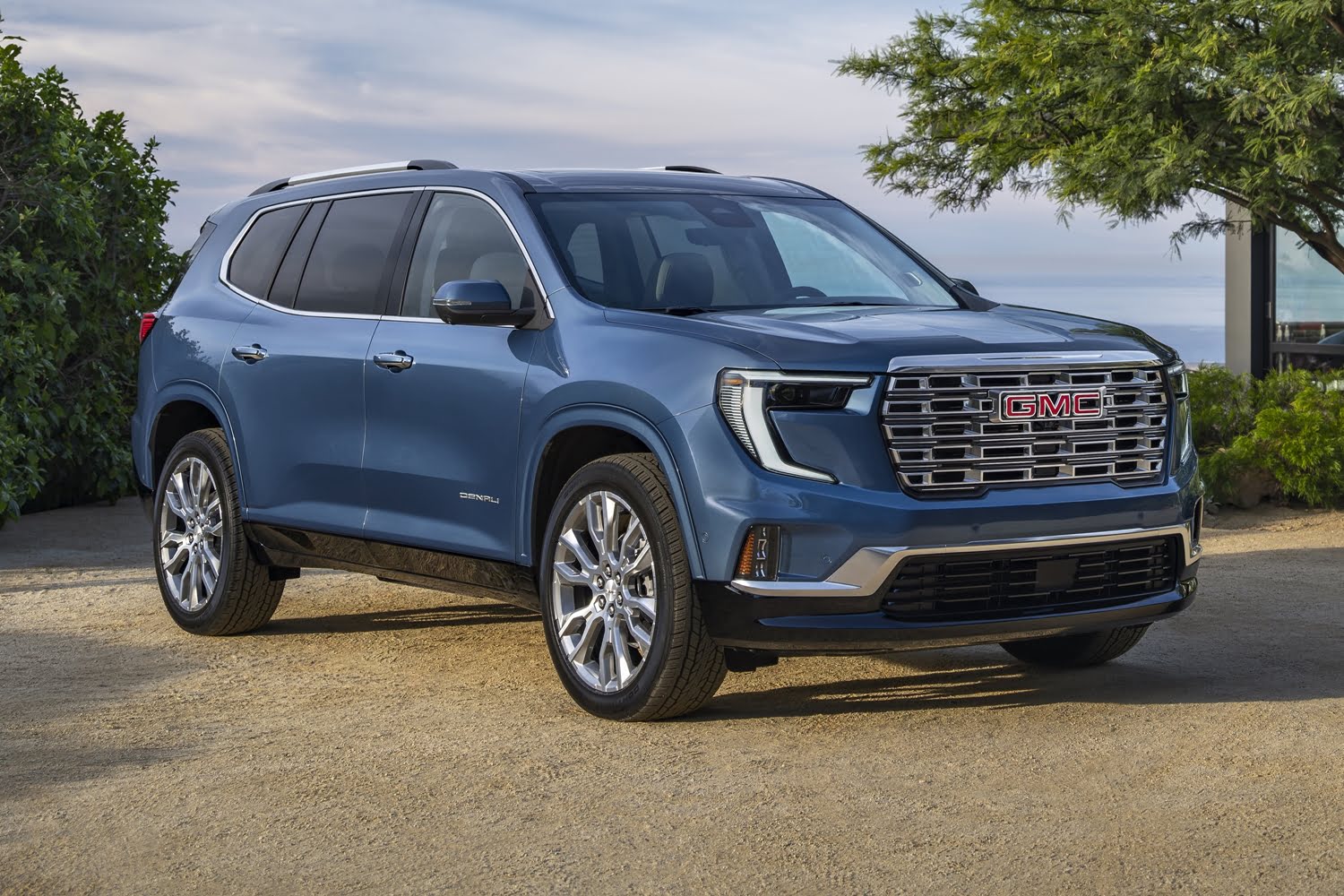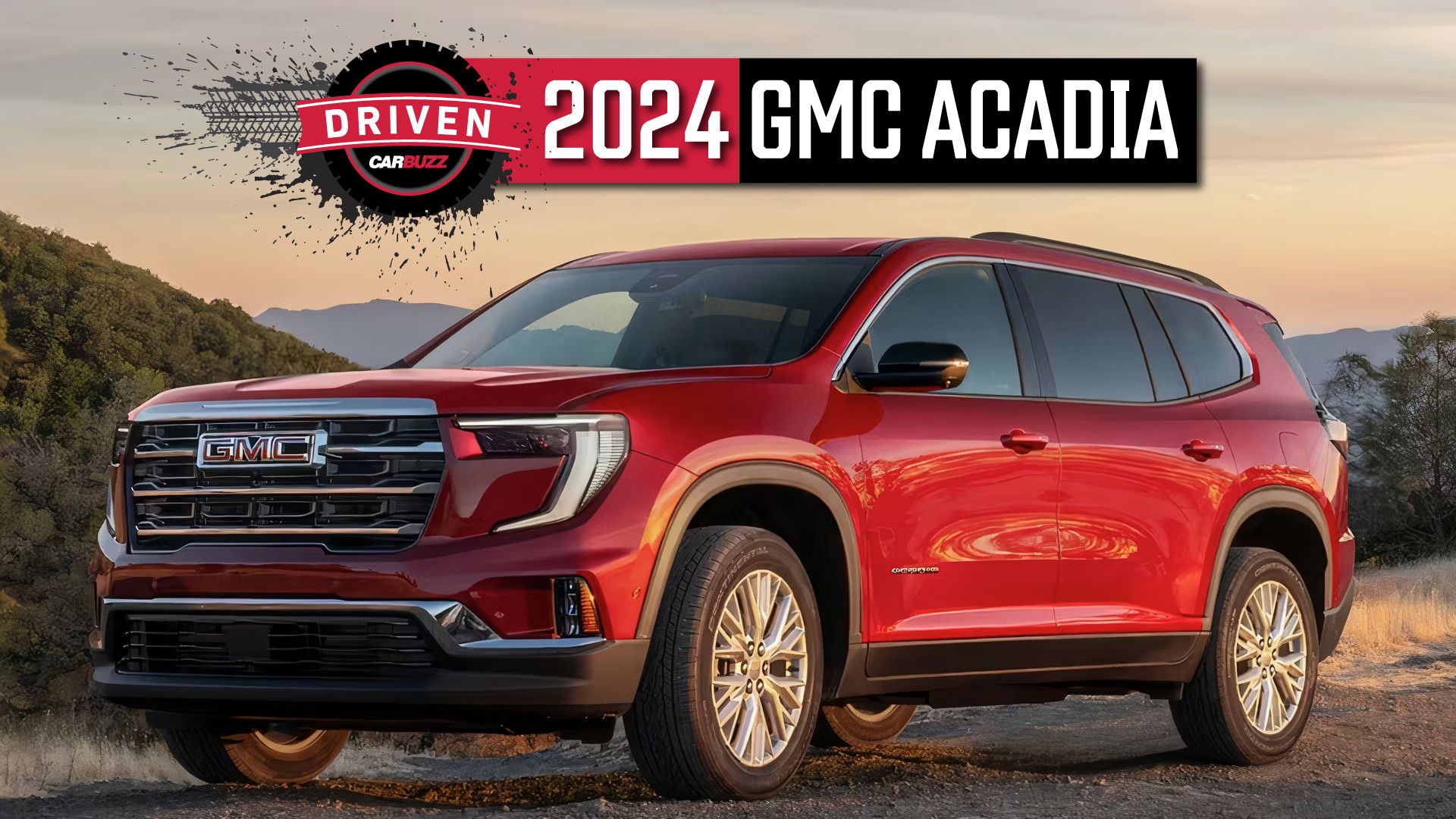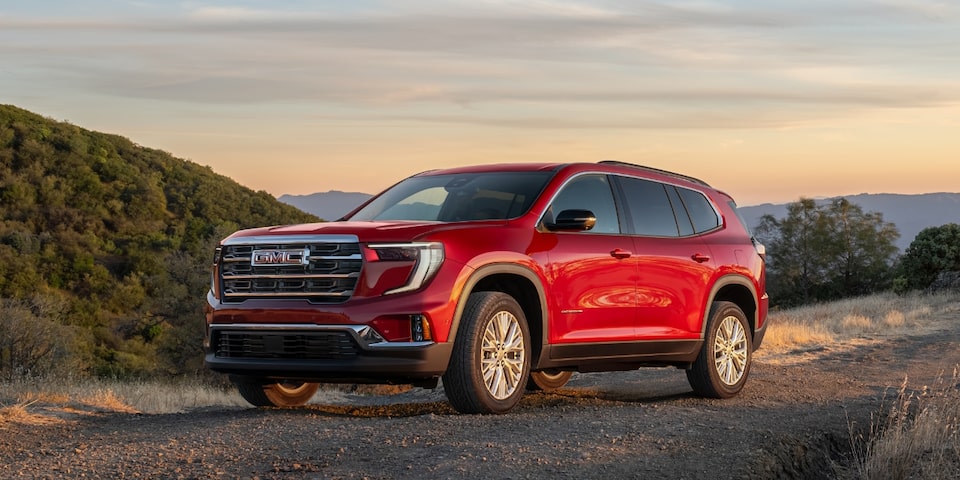
For years, the domestic mid-size SUV segment has been a study in missed opportunities, and the GMC Acadia has been among the most conspicuous examples. A handsome, well-packaged three-row crossover with genuine premium aspirations, the Acadia has nonetheless soldiered on with a single powertrain strategy—a turbocharged four-cylinder—while competitors from Toyota and Honda quietly built commanding leads in fuel efficiency. That gap was never a matter of engineering impossibility. It was a matter of corporate will.
And now, according to reporting from Reuters, Car and Driver, Edmunds, and Automotive News, that will is finally changing: the GMC Acadia is going hybrid, alongside its platform-mates, the Chevrolet Traverse and Buick Enclave.
A Strategic Pivot, $750 Million Deep
The news lands as part of what Reuters characterized as a strategic pivot at General Motors—a $750 million investment to build hybrid crossovers at a Michigan assembly plant. For observers who have tracked GM's product planning over the past half-decade, the development carries a distinct whiff of vindication for the critics.
GM spent years publicly dismissing hybrids as a bridge technology, betting instead on an all-electric future and pouring capital into the Ultium platform. That bet was bold, arguably visionary, and—judged by the market's actual pace of EV adoption—premature. InsideEVs put it bluntly: GM didn't want hybrids, and now it's putting them in its biggest SUVs. The Acadia, in other words, is receiving the powertrain it should have offered from the moment this generation launched.
GM Once Led Here—Then Stopped
The irony is sharpened by the fact that GM once led here. The two-mode hybrid system that appeared in the Tahoe and Yukon a generation ago was genuinely advanced for its time, and the company's engineers have never lacked the capability. What the Acadia needed was not invention but prioritization.
A modern hybrid powertrain in a three-row family hauler is precisely the kind of pragmatic, high-volume, margin-friendly product that pays for the next decade of electrification—a fact that Toyota understood and GM is now conceding. The Autopian framed it as the hybrids GM should have had all along, and on that point the verdict is difficult to dispute.
Why This Matters Most for GMC
For the GMC brand specifically, the stakes are higher than they might appear. GMC has spent the past several years deliberately climbing the ladder—Denali trims, AT4 off-road variants, and a marketing posture that positions the division as something closer to premium than mainstream. That strategy works best when the product underneath the leather and chrome is unimpeachable.
A hybrid Acadia, particularly one that pairs electrification with the refinement Denali buyers expect, strengthens the entire premise. It also gives GMC a credible answer to the hybridized Toyota Grand Highlander and Honda Pilot—vehicles that have been quietly siphoning exactly the customers GMC wants.
A Correction, Not a Moonshot
There is, of course, a measure of hard-won realism in the timing. The hybrid Acadia arrives not as a moonshot but as a correction—a recognition that the transition to electric vehicles will be longer, messier, and more regionally uneven than the industry's more breathless projections suggested. That is not a failure of ambition so much as a maturation of strategy.
GM still intends to sell EVs; it simply intends to sell hybrids first, and in far greater numbers. The Acadia Hybrid will likely be the volume leader of that effort, a vehicle whose success will be measured less in headlines than in dealer lots. What matters most now is execution. The Acadia's current turbocharged four-cylinder is competent but hardly a paragon of smoothness or economy under load, and a hybrid system that delivers meaningful gains in both would transform the ownership experience—particularly for the families who use these vehicles as they are meant to be used, loaded with passengers and cargo.
The hardware exists. The business case is now obvious. The only remaining question is whether GMC can deliver a hybrid Acadia that feels like a Denali ought to: effortless, efficient, and entirely without apology.
It has taken longer than it should have. But the GMC Acadia is finally getting the hybrid it deserved from the start—and for a brand busy proving it belongs in the premium conversation, that correction cannot arrive soon enough.