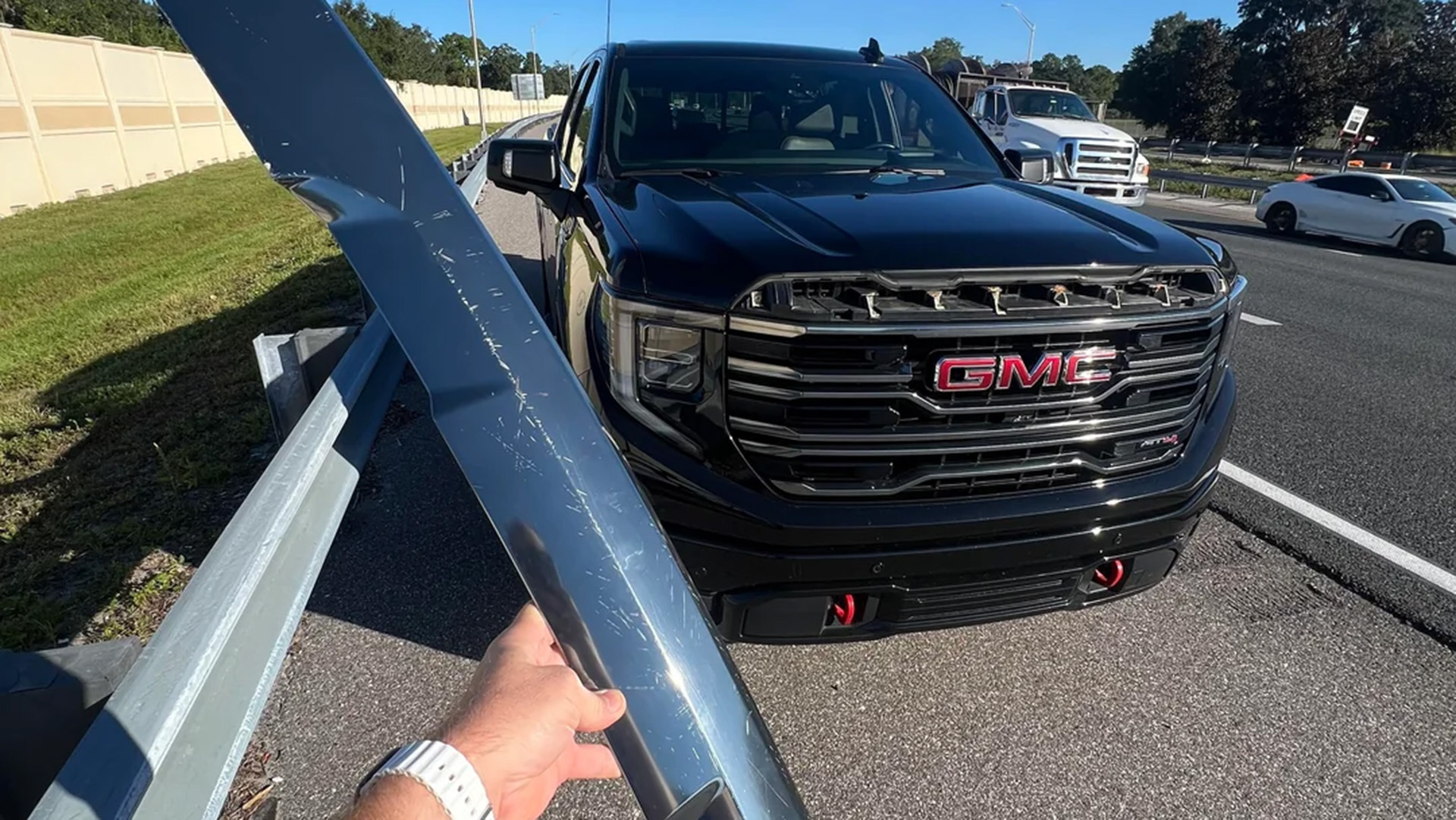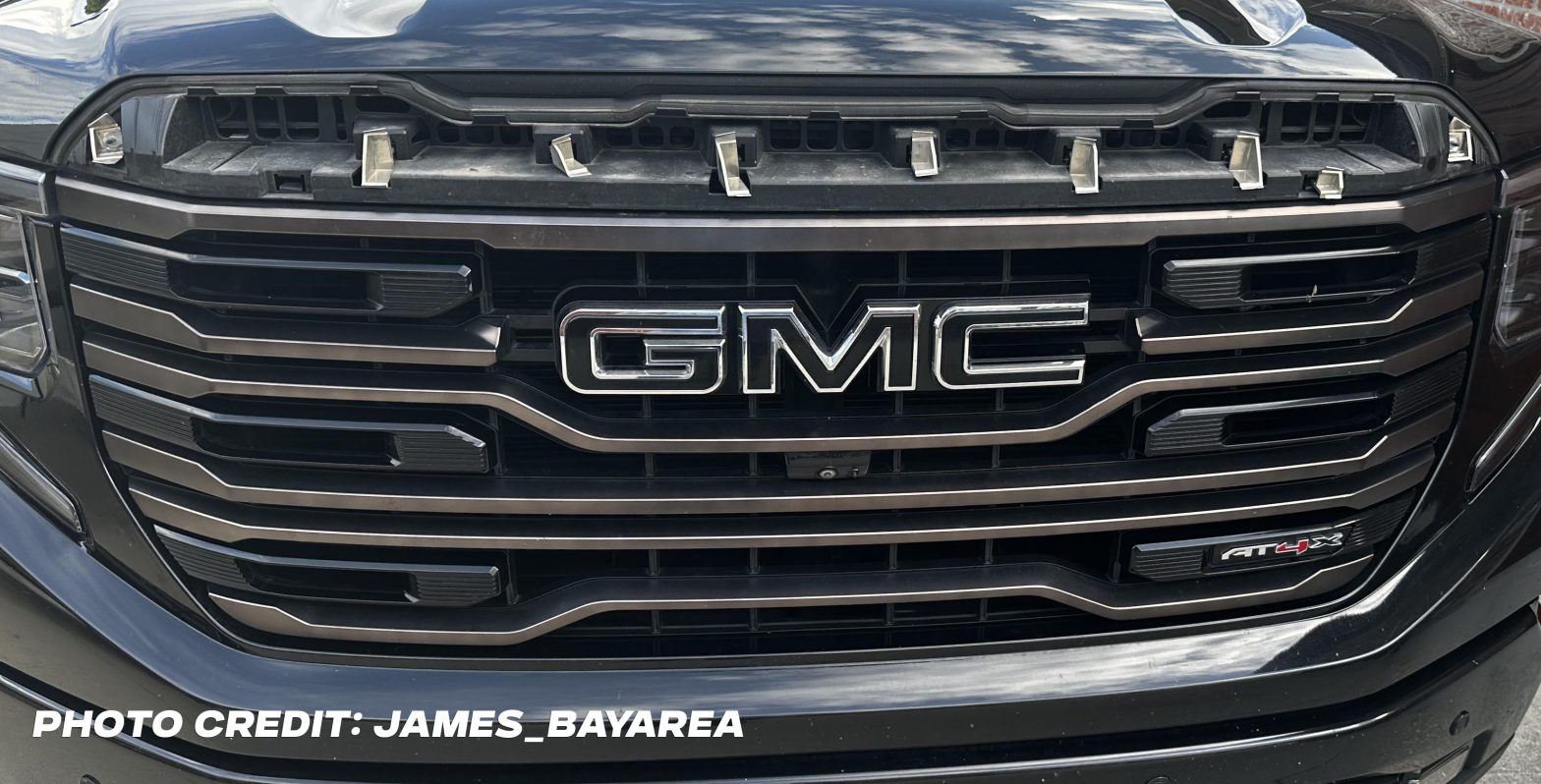
There is a particular kind of frustration reserved for the fix that doesn't fix anything. You take the truck in, you hand over the keys, you trust the procedure — and then a panel of your grille peels away at seventy miles an hour and becomes someone else's problem. That is the reality facing owners of more than 535,000 GMC Sierra trucks right now, as federal investigators open a probe into grille components that continue to detach at speed despite a recall remedy that was supposed to have closed the book on the issue.
The scale is significant. According to reporting from The Detroit News and Autoblog, the National Highway Traffic Safety Administration has launched a formal investigation covering 535,639 GMC Sierra trucks after owners reported grille parts — specifically the active grille shutter deflectors — still separating from the vehicle and becoming airborne projectiles. This is not trim rattle. This is hardware in flight.
What's Actually Failing
The component at the center of this is the active grille shutter deflector — an aerodynamic piece designed to manage airflow through the front end, improving efficiency at cruise and cooling when the engine demands it. It is, by design, a functional element of the truck's thermal and aero management, not decorative garnish. When it liberates itself from the vehicle at highway speed, it becomes a hazard to every car in the lane behind.
That the failures are occurring after a recall repair is what elevates this from an ordinary quality lapse into something considerably more serious. A recall is a manufacturer's promise: we acknowledge the defect, and here is the permanent remedy. When that promise fails in the field, it implies one of two things — either the original fix was insufficiently engineered, or the underlying defect was never fully understood. Neither possibility reflects well on a brand positioning itself as the premium expression of General Motors' truck lineup.
The Brand Problem
GMC has spent years cultivating a reputation for elevated capability and craftsmanship, distinguishing the Sierra from its Chevrolet Silverado sibling largely on refinement and feature content. That distinction is the entire commercial argument for the badge. A grille that won't stay attached to the truck cuts directly against that narrative — and it does so at the worst possible moment.
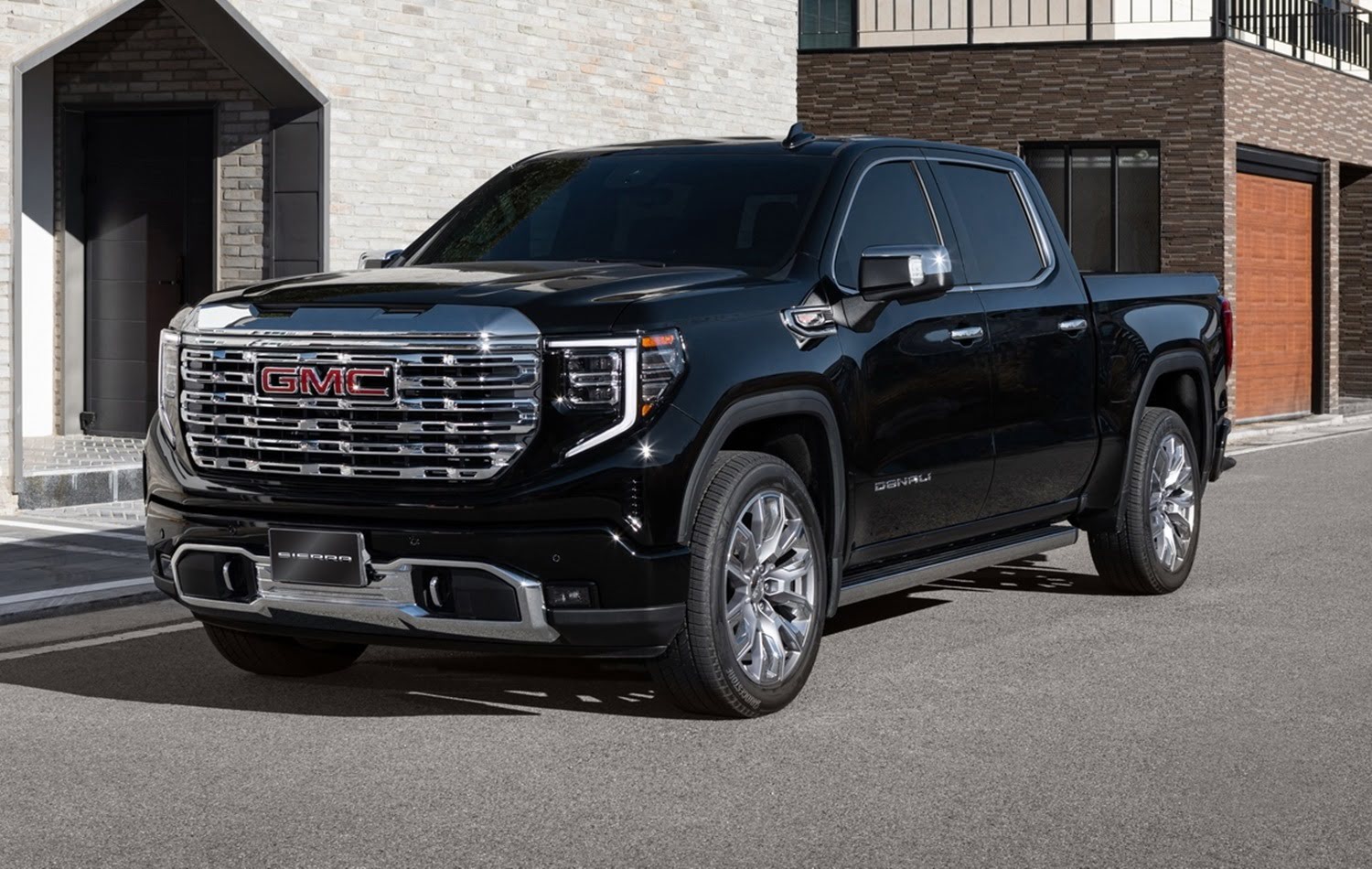
The timing could hardly be worse for GMC's broader product story. The brand is preparing to launch the 2027 Sierra 1500 with a suite of new cabin technology that SlashGear has already flagged as among the truck's most compelling features, alongside a modest price increase for the 2027 Yukon. GM Authority reports that 2027 Sierra and Silverado production is shifting to Mexico, and that the V8 powertrains carry updated fuel recommendations. Meanwhile, comparison tests continue to position the Sierra against the Ford F-150 and its own Silverado stablemate, where every quality misstep becomes ammunition. A safety investigation into flying body panels is not the headline a marketing department wants anywhere near a model-year launch.
What Owners Should Do Now
For owners, the practical implications are immediate and frustrating. NHTSA's investigation is what's known as a preliminary evaluation — a step that can lead to a formal recall demand, an expanded remedy, or, in some cases, closure without action. Until that process resolves, owners of affected Sierras are left in an uncomfortable limbo: driving vehicles that have already been "repaired" for a defect that evidently persists.
The responsible move for any owner is to verify their vehicle identification number against GM's recall database, document any signs of loose or misaligned grille components, and report incidents directly to NHTSA. Owner complaints are not bureaucratic noise — they are the evidentiary fuel that drives investigations forward. The paper trail matters, and it matters now.
The Verdict That Matters
There is a broader lesson here about how modern recalls are judged — not by the speed of the announcement, but by the durability of the fix. GM's initial remedy clearly satisfied the procedural requirements. The field data says otherwise. NHTSA's probe now becomes the arbiter of whether this was an engineering shortfall, an execution failure at the dealer level, or something more systemic in how the component was designed.
For the hundreds of thousands of Sierra owners who believed their trucks had been made whole, the answer can't arrive soon enough. And for GMC, the stakes extend beyond this single component. A truck brand lives on the promise that its hardware holds together when it matters — at speed, under load, in the real world. That promise is the product. Everything else is marketing.