There’s a particular kind of dread that creeps in when a truck you’ve trusted with your livelihood starts speaking to you in a language of vibration. Not the reassuring thrum of a big V8 at idle, but a rhythmic, low-speed judder—like driving over a rumble strip that isn’t there. For thousands of GMC Sierra 1500 and Canyon owners, that shudder between 15 and 45 mph isn’t an anomaly; it’s a daily conversation with a defect that General Motors has acknowledged, patched, and yet failed to permanently cure. The silence from Detroit isn’t just a technical oversight. It’s a strategic choice, and it’s testing the very foundation of the “professional grade” promise.
The shudder itself is a well-documented gremlin. It traces back to the torque converter’s lock-up clutch and the transmission fluid that surrounds it—fluid that, in too many cases, becomes contaminated and strips the clutch of its ability to engage smoothly. GM has issued Technical Service Bulletins, recommending a fluid flush with a revised additive package. For some, that’s a temporary salve. For too many, the shudder returns within a few thousand miles, sending owners into a frustrating loop of dealership visits, loaner cars, and gnawing anxiety about the longevity of a major drivetrain component. GM’s engineering teams say they’re still “working on” a solution. That’s cold comfort to anyone who’s financed a $60,000 truck and feels it trembling under light throttle.
The Timing Problem
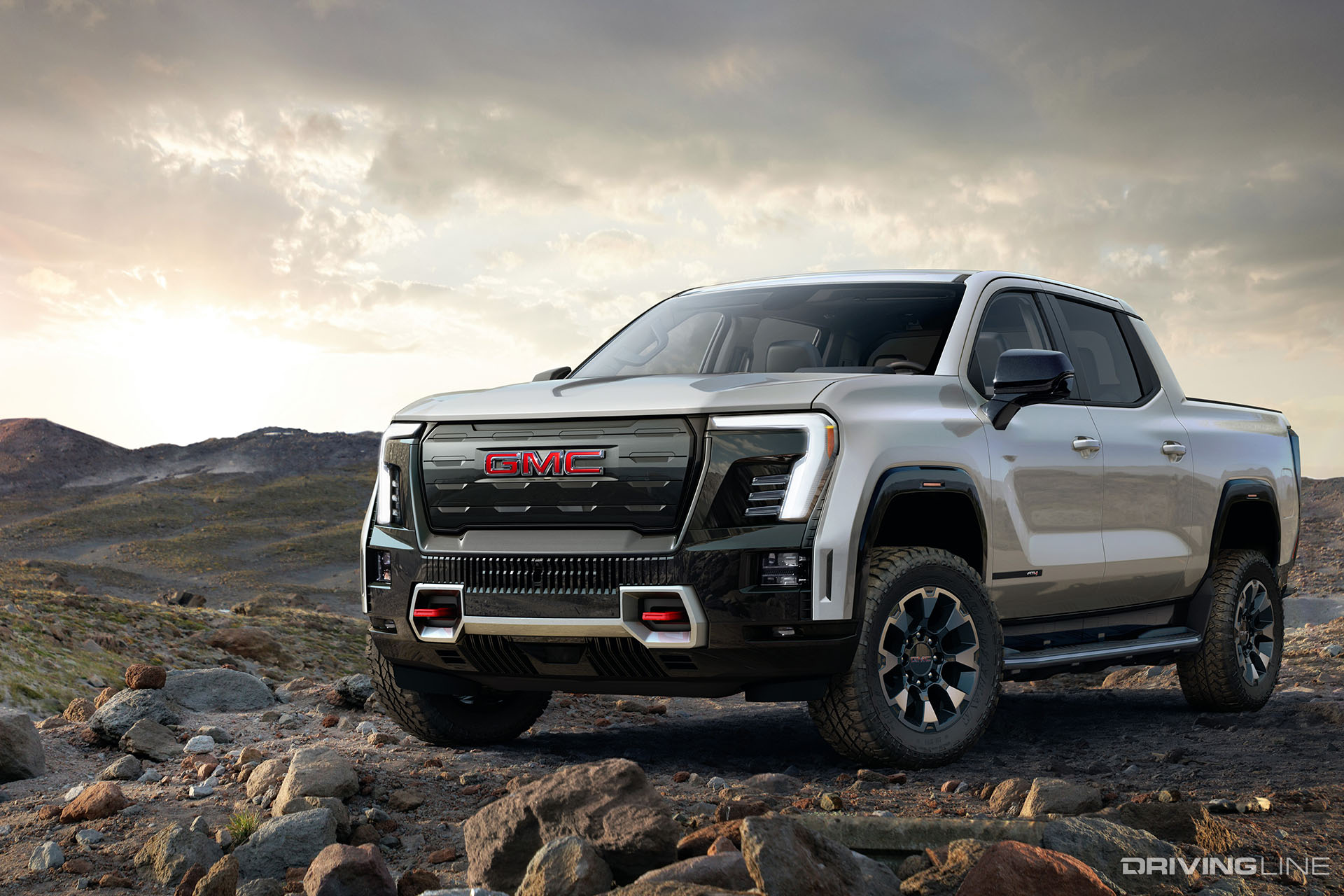
What makes this situation particularly galling is the backdrop. GMC is simultaneously rolling out a redesigned Sierra HD destined for the Oshawa plant and a revised 2027 Sierra EV lineup, positioning the brand as a forward-thinking leader in electrification and heavy-duty capability. Presiding over this expansion is newly installed president and CEO Cristy Garcia-Thomas, whose legacy will be defined not by new trim levels, but by how she handles the legacy problems stacked in the corner. The corporate narrative is all about the future—range-extending powertrains, smarter SUVs, more vibrant colors—while a significant cohort of current owners are stuck with a transmission that feels like it’s grinding against the brand’s core ethos.
The automotive industry has a long, uncomfortable history with defective components. The Ford Pinto, Toyota’s unintended acceleration saga, and the recent high-voltage battery recalls all share a common thread: the speed and sincerity of the response determines the depth of the reputational scar. GM knows this better than most. The ignition switch crisis of 2014, which resulted in at least 124 deaths and billions in settlements, was exacerbated by a culture that prioritized silence over candor. The Sierra’s shudder isn’t a safety issue of that magnitude—but the institutional reflex appears unchanged. Owners aren’t asking for the impossible. They’re asking for a permanent repair, a buyback program, or at the very least, a public acknowledgment that this isn’t a “characteristic” but a defect.
The Cost of Inaction
The financial calculus for GM is understandable. A full transmission replacement or torque converter redesign for the 8L90 and 8L45 units is expensive, running into the thousands per vehicle. With hundreds of thousands of trucks on the road, the liability is significant. But the cost of inaction may be higher. The pickup truck market is the most competitive arena in the automotive world, with the Ford F-150, Ram 1500, and Toyota Tundra all vying for the same dollars. A GMC owner who experiences a persistent shudder won’t just defect to another brand—they’ll tell their neighbors, post their repair orders on forums, and leave scathing reviews on dealer sites. The erosion of trust is a slow leak, but it eventually drains the reservoir of premium pricing that GMC relies upon.
The contrast between the brand’s aspirational marketing and the lived experience of its owners is stark. GMC’s advertising leans heavily on the “Denali” aura—leather-lined cabins, adaptive suspension, and a commanding presence. Those features are rendered meaningless when the drivetrain fails to deliver seamless power delivery. Recent news that a simple turn signal replacement on a Sierra can cost $1,500 further underscores a perception that GMC is expensive to own and, when things go wrong, slow to make them right. While GM’s Oshawa plant investment is a positive sign for the brand’s future, it does nothing for the owner whose truck shudders every morning on the commute to work.
The Path Forward
The path forward is clear, even if it is costly. GM needs to stop treating the shudder as a fluid issue and start treating it as a hardware issue. The torque converter clutch should be redesigned, the transmission control module recalibrated with a permanent fix, and the warranty extended for all affected vehicles. Anything less is a calculated risk that the brand’s future sales will cover the debt of its current discontent. As GMC celebrates new leadership and new products, the most important announcement it could make is not about a new color palette or a range-extending option, but about a definitive solution for the trucks already in driveways.
Until that day comes, the shudder will remain a quiet, persistent reminder that the “professional grade” promise is only as strong as the weakest component in the drivetrain. And right now, that component is the source of a very loud silence from the corporate office.