For decades, the hierarchy inside a pickup's engine bay was gospel. The base engine was there to be tolerated, the mid-tier was there to be sensible, and the V8 sat at the top of the mountain, lording its displacement over everything beneath it. You paid extra for the big engine because the big engine was the point. That order has been the same since roughly the invention of the pushrod.
GMC just broke it. The 2027 Sierra 1500 arrives as a ground-up, fifth-generation redesign with the most powerful half-ton V8 the brand has ever fitted — and a base engine that out-torques it. Read that again. The engine you get when you don't upgrade produces more twist than the engine you pay extra for. This is the quiet inversion nobody put on the pricing sheet.
The 40-Horsepower Punch
The number that should be leading every Sierra story is this: the base engine jumped 40 horsepower. That's the kind of bump we normally see at a mid-cycle refresh, when engineers have had a few years to pick at a familiar package. Here it lands on a clean-sheet redesign, which tells you GMC didn't stumble into it. This was a decision.
And it reframes the whole truck. A standard Sierra is no longer a compromise you tolerate until you can afford the good one. It's a genuinely stout powertrain that happens to sit at the bottom of the order sheet.
Torque Is the Only Currency That Counts
Horsepower wins bench races and brochure arguments. Torque is what actually moves a loaded trailer up a grade, what makes a bed full of landscaping stone feel unbothered, what decides whether a 7,000-pound travel trailer feels planted behind you or anxious on the hitch. In a half-ton, torque is the number that shows up to work.
The base Sierra's torque figure now lands in territory that, one generation ago, was strictly V8 country. Which means the buyer who cross-shops trims by horsepower alone — the guy scanning a spec sheet over coffee — will miss the entire story. The base truck is no longer the penalty box. By the measure that matters most in a pickup, it's the stronger of the two.
The V8's New Job
So who is the V8 for now? The customer who wants it for reasons that are partly emotional and partly about sustained towing confidence — at altitude, under load, hour after hour. That customer exists, and GMC is still building for them.
But the V8's role has shifted from obvious answer to considered choice. It's no longer the automatic upgrade. It's the philosophical one, and GMC knows it.
A Brand That Keeps Climbing
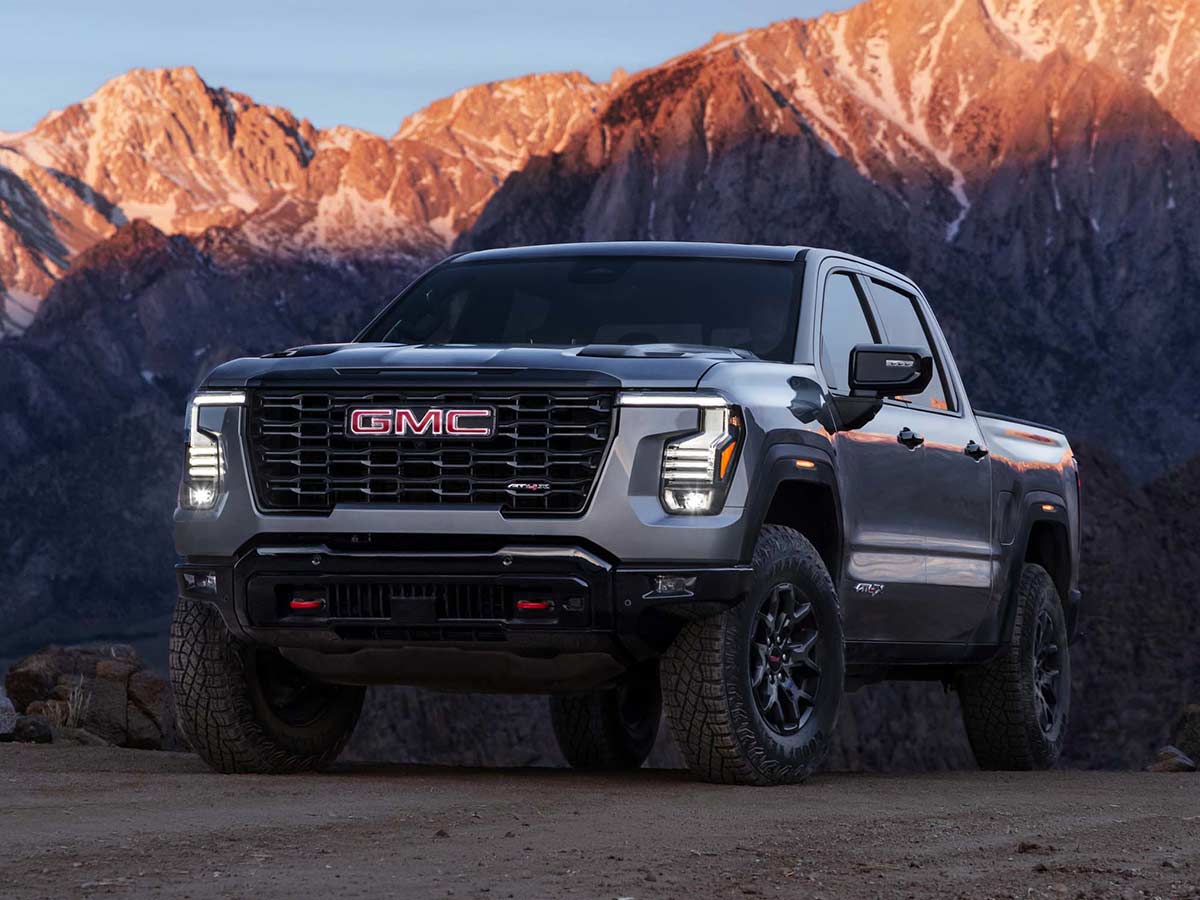
There's an irony worth savoring here. GMC is a brand built on Denali luxury trim, and the 2027 Sierra pushes further upmarket than ever, with pricing that has climbed right along with it. The redesigned truck is bigger where it counts, with more screens and a very tall hood — the luxurious trims will get the magazine covers.
But the sharpest engineering statement in the entire lineup might be the one you don't pay extra for. The most compelling value case sits at the very bottom of the powertrain ladder, quietly out-torquing everything above it.
For shoppers weighing a Sierra against its Silverado sibling, the calculus just shifted. The base Sierra is no longer the trim you settle for while eyeing the V8 badge on someone else's tailgate. It's the trim that makes the V8 an increasingly philosophical purchase.
That is a remarkable place for a base engine to land. And it's a sign that in the modern half-ton wars, the bottom of the range is where the real battles are now being fought.