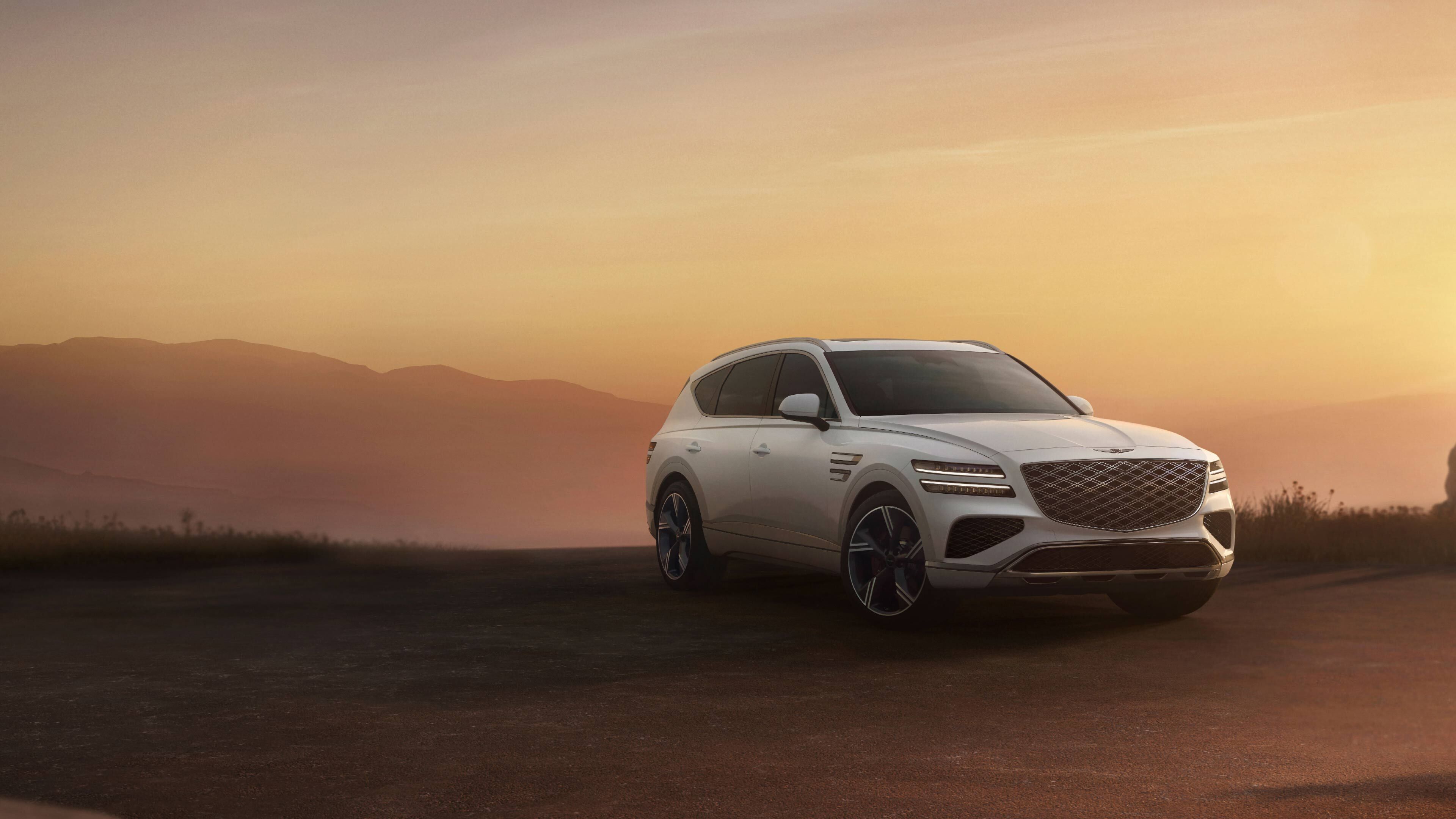
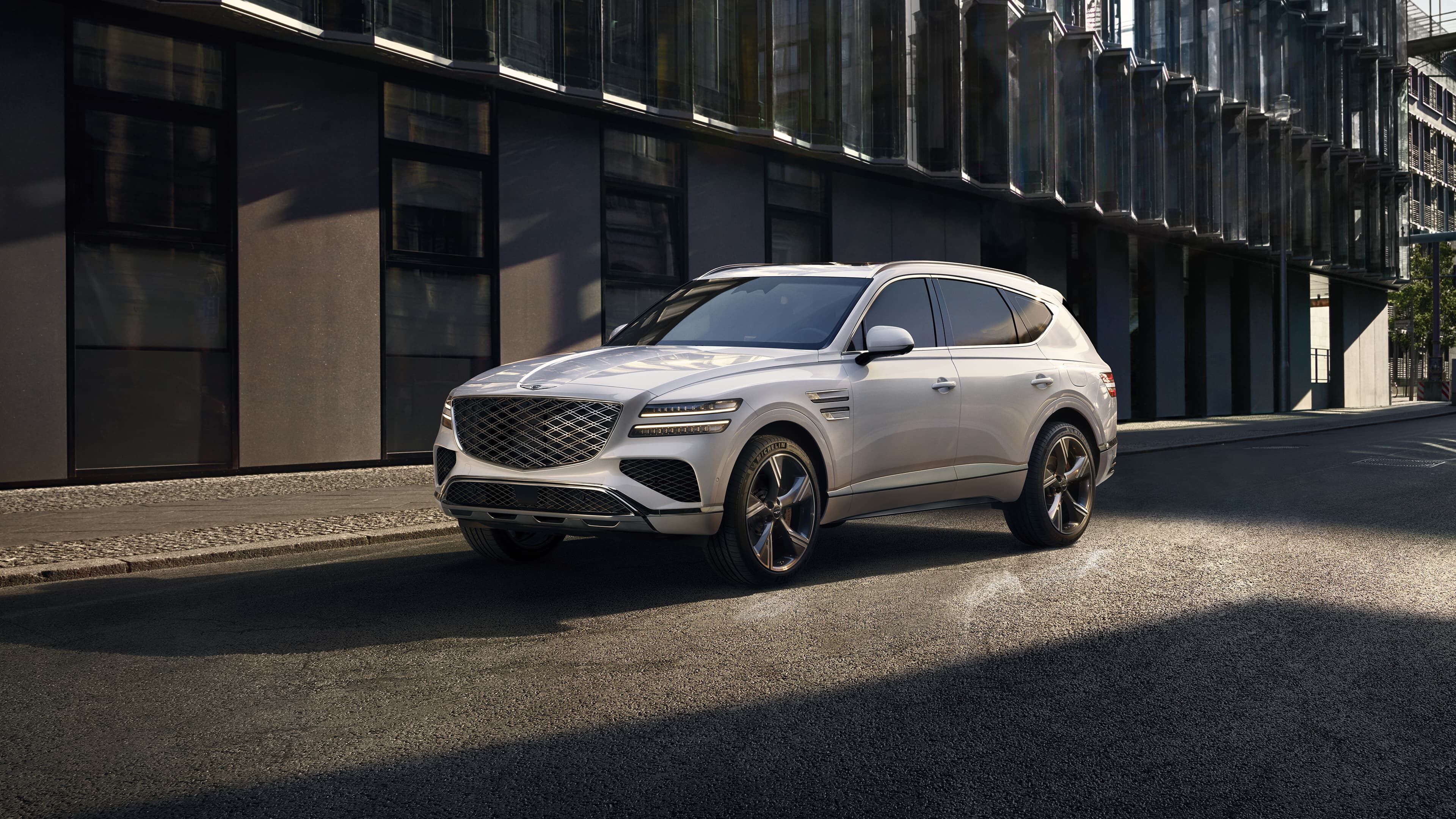
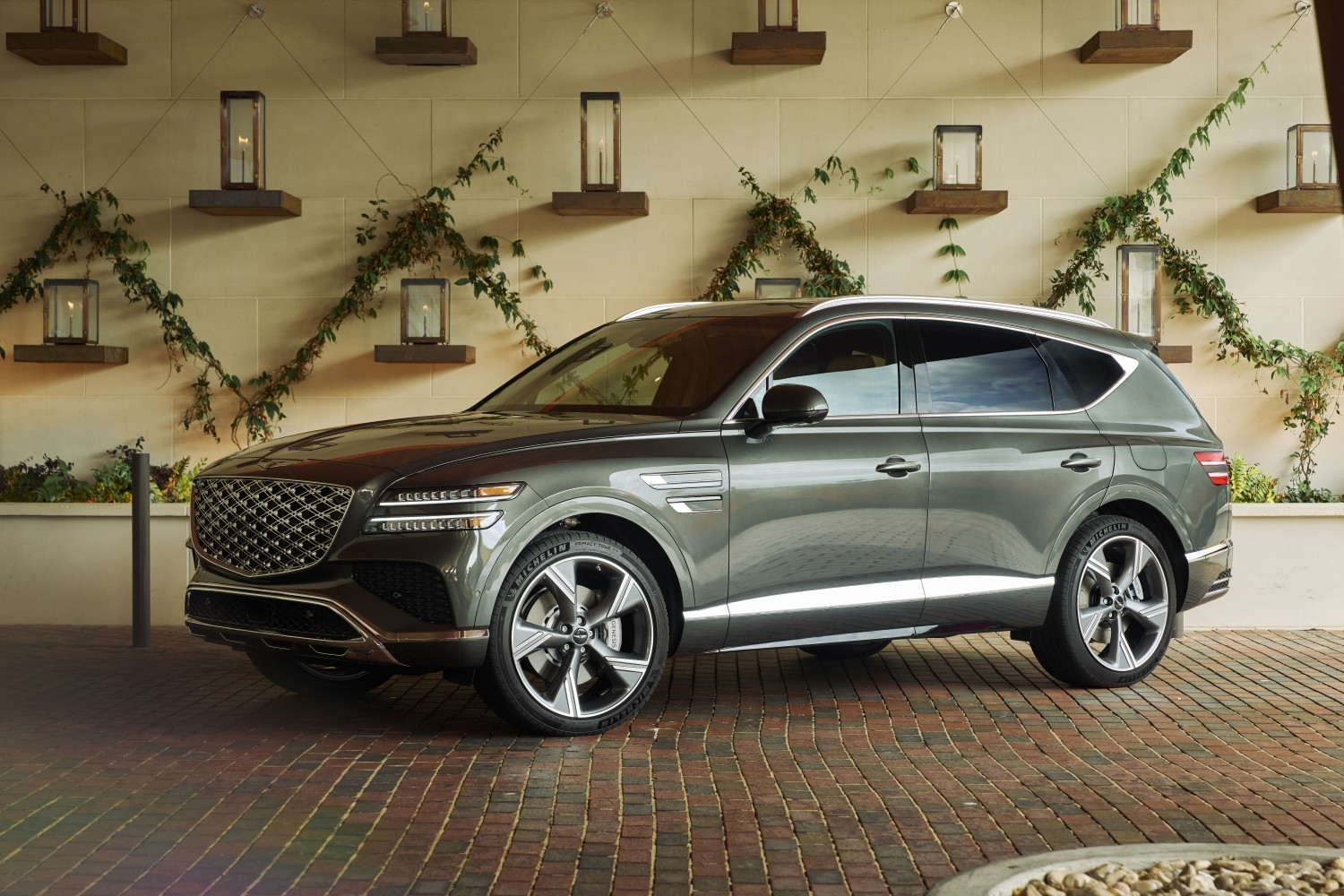
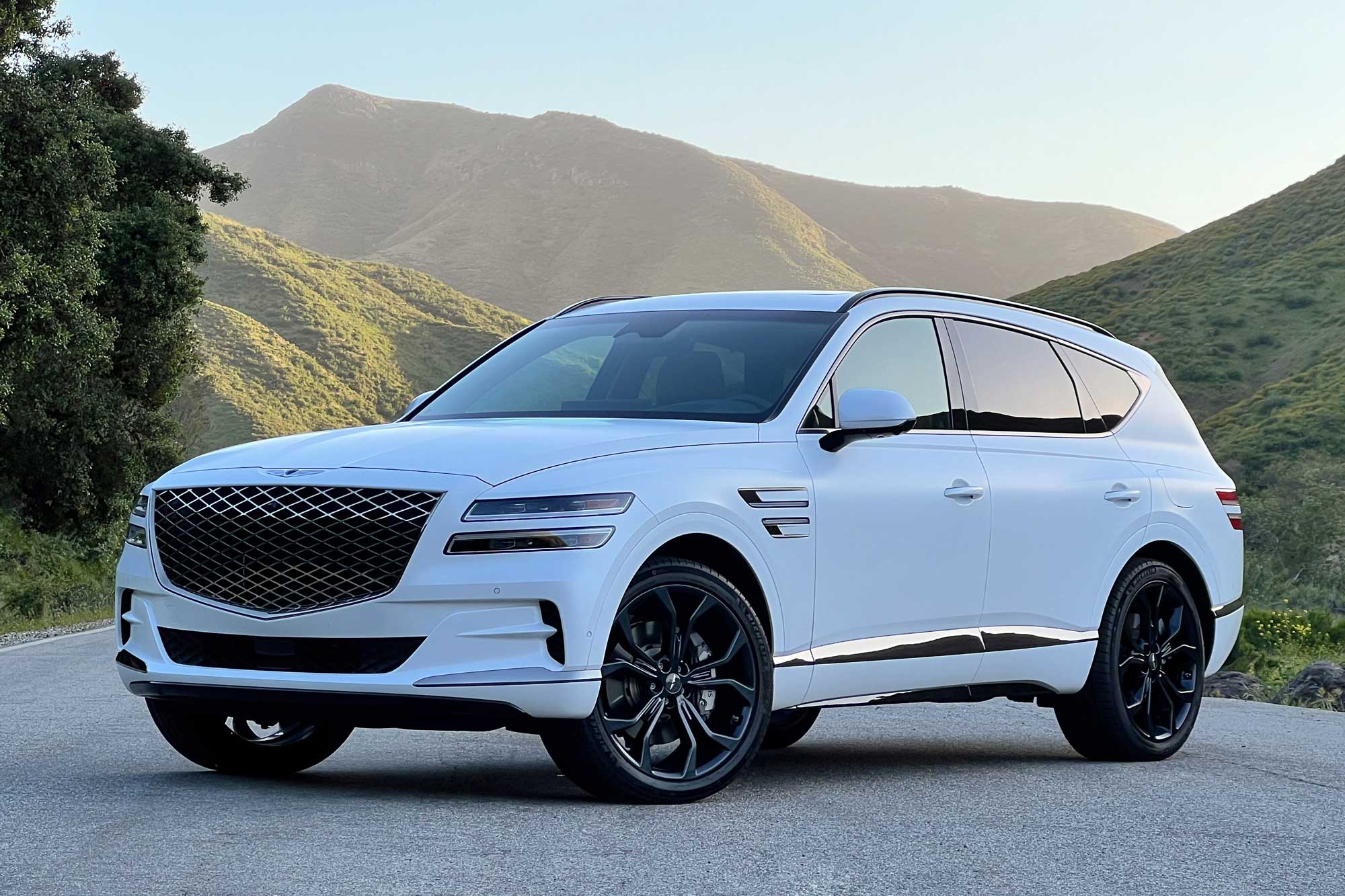
Genesis has spent a decade selling a simple, seductive promise: S-Class presence and German engineering for thousands less. On the showroom floor, the GV80 makes that pitch look like a steal. The cabin is a masterclass in materials, the chassis has earned consistent praise from reviewers, and the badge carries a whiff of insider intelligence for buyers who refuse to pay the German tax.
Then the depreciation curve arrives. The same value equation that makes a new GV80 attractive turns a used one into a financial liability for the person who signed first. Industry resale data consistently places the GV80 among the faster-depreciating vehicles in the mid-size luxury SUV class, trailing the BMW X5, the Mercedes-Benz GLE, and the segment's depreciation champion, the Lexus RX. After five years, it retains a notably smaller share of its original transaction price than any of those rivals. The gap is not marginal. It is the kind of difference that translates into thousands of dollars of lost equity.
Engineering Isn't the Problem
The root cause is not build quality. The GV80 is a genuinely well-engineered vehicle — refined, quiet, and beautifully assembled. The problem is structural. Genesis lacks the brand equity that sustains resale values for its competitors.
Luxury depreciation is driven as much by aspiration as by engineering, and the badge on the hood matters enormously in the used market. A five-year-old X5 carries decades of perceived prestige. A five-year-old GV80 carries a brand still fighting for recognition. Secondary-market buyers, more price-sensitive and more brand-conscious than new-car shoppers, reward that distinction ruthlessly.
A Brand-Level Problem
This isn't a single-model anomaly. Reports that the GV60 has shed roughly 47 percent of its value in three years — a figure that makes even the most depreciation-prone EVs wince — suggest a systemic Genesis issue. The G90 sedan has exhibited similar tendencies. The pattern is clear enough to constitute a brand-level characteristic.
For a marque whose entire commercial strategy rests on offering more car for less money, rapid depreciation is a double-edged sword. It attracts buyers who prioritize upfront value, but it repels the lease-conscious and the resale-aware — two constituencies that dominate the luxury market.
The Price Ladder Makes It Worse
Genesis has been steadily climbing the price ladder. The GV80 3.5T Prestige now commands figures that sit uncomfortably close to established German competitors. As the pricing gap narrows, the depreciation gap becomes harder to justify.
When a GV80 cost meaningfully less than an X5, the resale hit could be rationalized as the cost of a bargain. As that logic erodes, so does the core argument for choosing Genesis in the first place. The forthcoming GV90 will only intensify this tension — a vehicle expected to push Genesis into genuinely rarefied pricing territory, where resale weakness is far less forgivable.
Buy Used, Not New
For buyers, the implication is straightforward. The GV80 remains an excellent vehicle to own and a poor one to own from new. The rational play is to let someone else absorb the first owner's depreciation and acquire a lightly used example at a substantial discount — a strategy that rewards patience and punishes enthusiasm.
For Genesis, the challenge is harder. Resale value is a lagging indicator of brand strength, and no amount of engineering excellence will fix it overnight. The GV80 will keep making its case on the showroom floor and losing it in the classifieds until the market decides a used Genesis is worth as much as a used BMW. That day may come. It will not come soon.