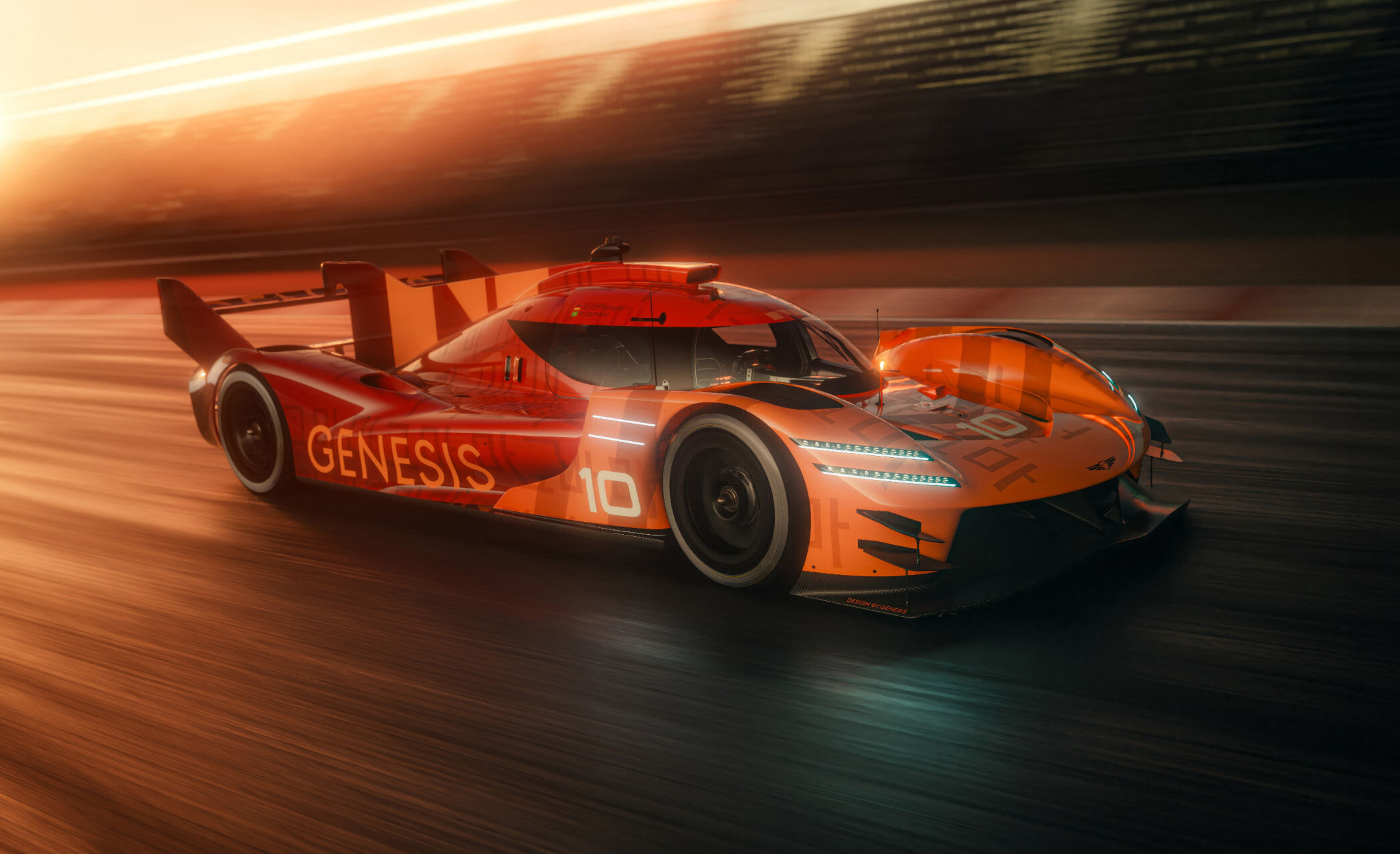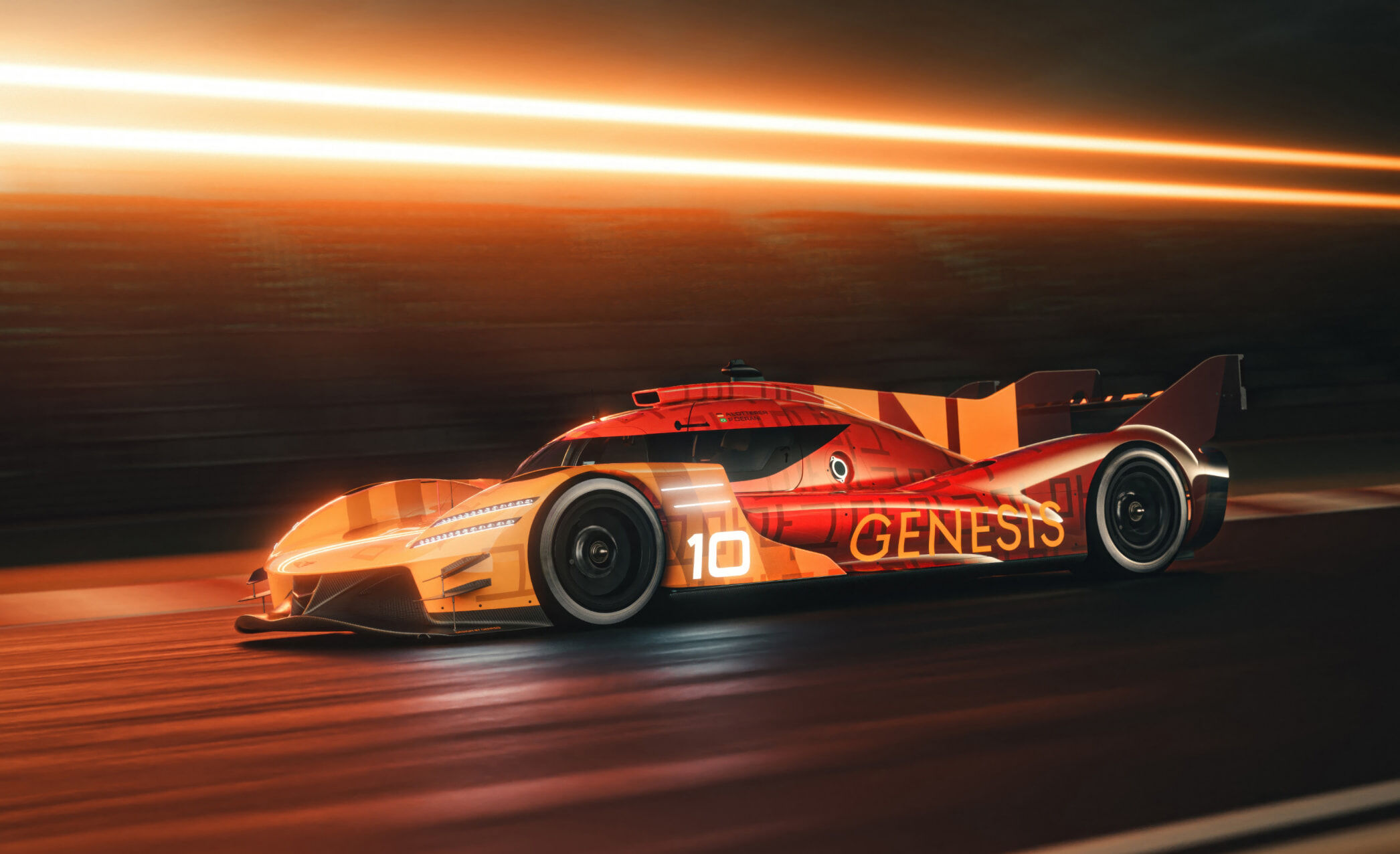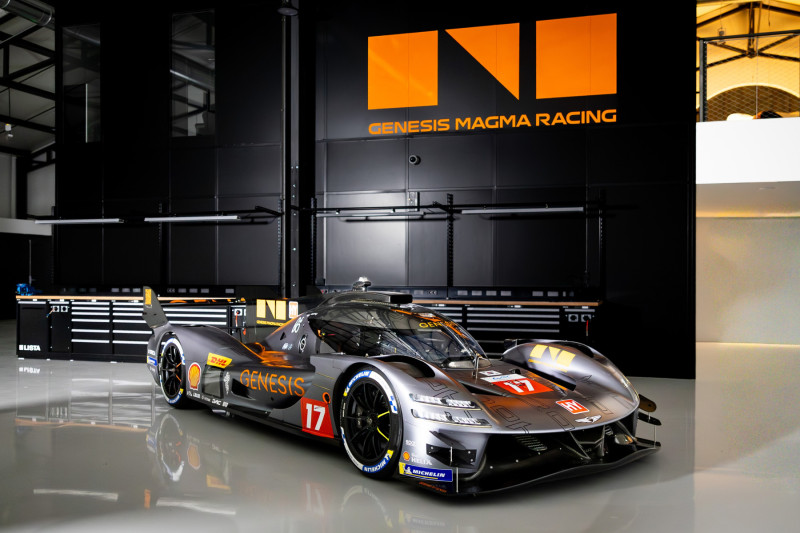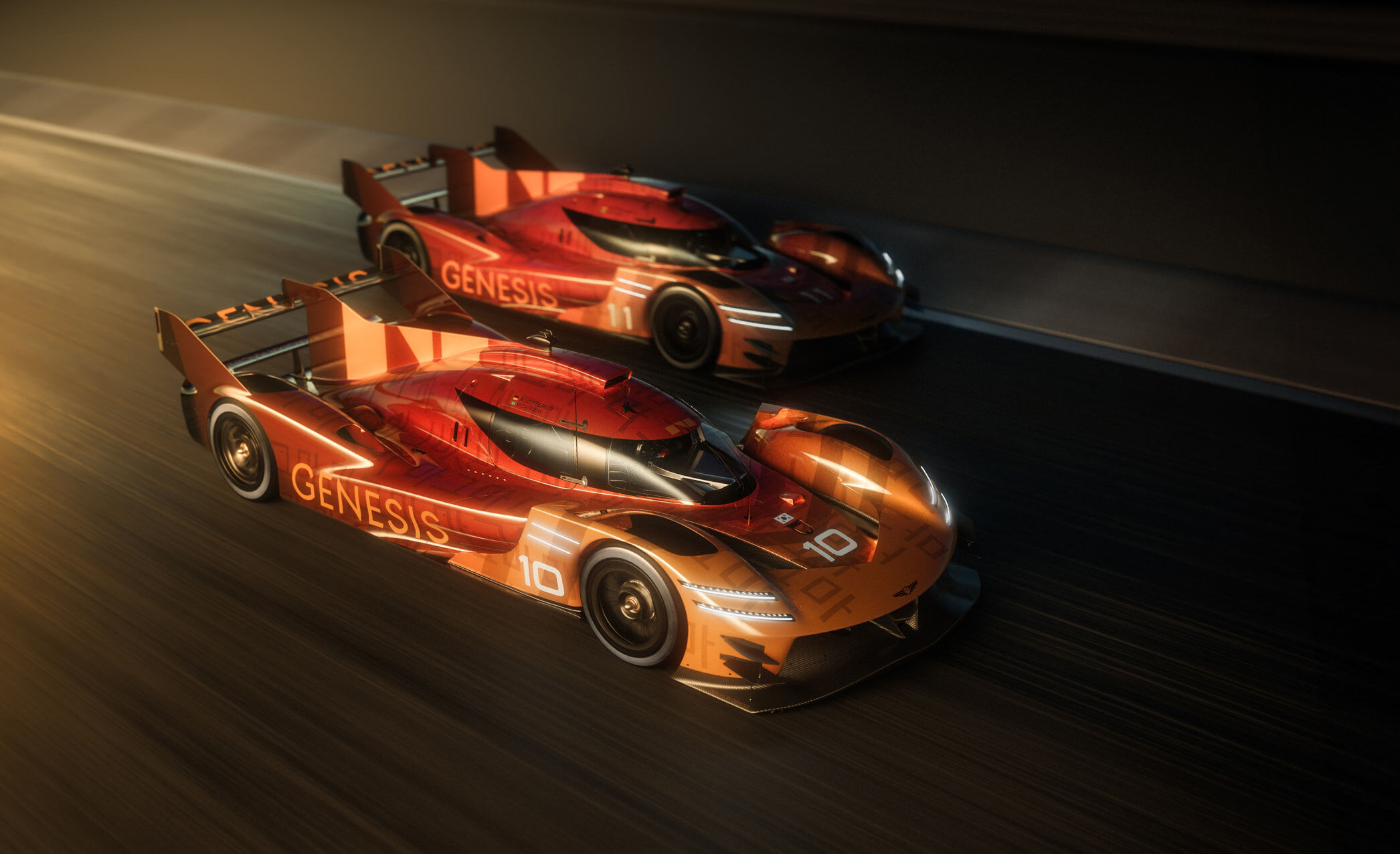
There is a particular alchemy in motorsport that transforms a carmaker’s identity, and Genesis is betting its fledgling Magma performance division on that very chemistry. The recent result at Lone Star Le Mans, where Genesis Magma Racing secured its best FIA World Endurance Championship finish to date, marks a significant milestone for a brand that has, until now, been defined by hushed opulence rather than screaming straight-sixes. The question, however, is whether podium champagne can translate into showroom conquests against the deeply entrenched titans of luxury performance. Racing provides legitimacy, but for Genesis, the harder race is against the perception of what a Korean luxury marque can genuinely represent in the enthusiast’s psyche.
The strategic logic is impeccable. When Genesis launched its GV60 Magma concept earlier this year, it was a declaration of intent, but a concept car only whispers possibilities. A race program shouts them. By entering the hyper-competitive world of WEC’s top class, Genesis has chosen the hardest possible arena to forge its performance credentials. Competing against Ferrari, Porsche, and Toyota on the world stage is not merely an exercise in engineering bravado; it is a calculated effort to borrow the halo of endurance racing’s grueling demands. The technical partnership with Oracle Red Bull Racing adds another layer of credibility, placing Genesis engineers in a collaborative environment with one of the most successful F1 operations in history. The result is a narrative that is difficult to fabricate: the car is fast, reliable, and capable of mixing it with the very best in the world.
The Unforgiving Gap Between Track and Tarmac
Yet, the chasm between on-track success and luxury market dominance is vast, littered with the wreckage of brands that failed to make the leap. Porsche and Ferrari do not sell cars because they race; they race because they sell cars, and the connection is visceral, decades-deep, and rooted in a heritage that Genesis simply does not possess. The average buyer of a G90 or an Electrified GV70 is likely drawn to the brand for its value proposition, its impeccable interior craftsmanship, and the segment-busting warranty. They are not, by and large, attending endurance races. The challenge for Genesis is to make the Magma sub-brand resonate emotionally with a customer base that may view racing as a fascinating but irrelevant distraction from the serene, refined luxury that defines the core lineup.
A Dual-Track Strategy That Demands Nerve
There is also the question of product timing. The announcement of the GV90, a full-size electric flagship with coach doors, signals that Genesis remains committed to its luxury-first ethos, even as it pushes the Magma performance envelope. This dual-track strategy is risky. It requires a delicate balance: the flagship must remain a sanctuary of silence, while the Magma models, expected to include performance-tuned versions of the G80 and GV60, must deliver a genuinely aggressive driving experience that does not feel like a cynical marketing add-on. The news that the G70 may be nearing the end of its lifecycle, dropping its manual transmission and V6 options, further complicates the picture. Enthusiasts who might be drawn to the brand through its racing exploits could find the performance sedan lineup thinning just as the racing program heats up.
The Psychology of the Luxury Buyer
The most significant hurdle, however, is the psychology of the luxury consumer. Genesis has successfully carved a niche as the “smart luxury” choice—a rational, aesthetically stunning alternative to the Germans. But racing is not rational; it is emotional, visceral, and rooted in ego. To convert track glory into sales, Genesis must convince buyers that a Magma model is not just a fast Genesis, but a genuine rival to an AMG or an M Division car. This requires more than lap times; it requires a culture shift within the brand, a willingness to embrace a rawer, louder, and more aggressive persona that may alienate the very customers who bought into the original quiet elegance. The Magma orange hue, inspired by volcanic rock, is a bold visual statement, but it must be backed by a chassis and powertrain tune that delivers an unfiltered, engaging experience worthy of the racing pedigree.
A Long Game in Brand Equity
Ultimately, the racing program is a long-term investment in brand equity, not an immediate sales driver. It gives Genesis a compelling story to tell, a tangible proof point that its engineering capabilities extend far beyond plush ride comfort. The success at Lone Star Le Mans is a validation of the technical direction, but the true measure of success will come years from now, when a customer chooses a Magma GV80 over a Porsche Cayenne Turbo GT, not because of a spec sheet, but because the Genesis represents something they believe in. Until that emotional connection is forged, the Magma brand remains a fascinating experiment—a promise of performance waiting for the marketplace to fully believe it. The track has done its part; now, the showroom must deliver on the promise.