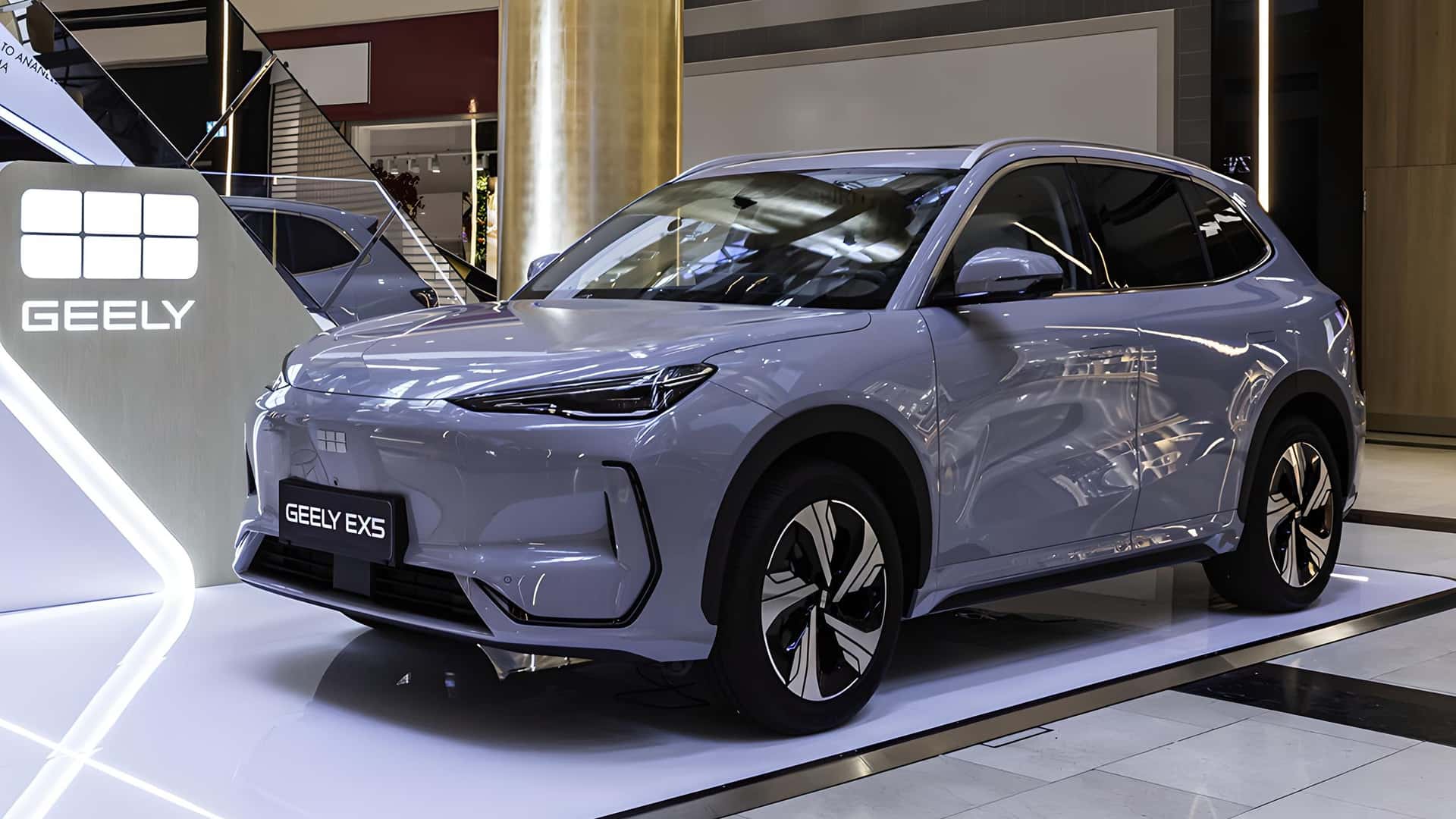
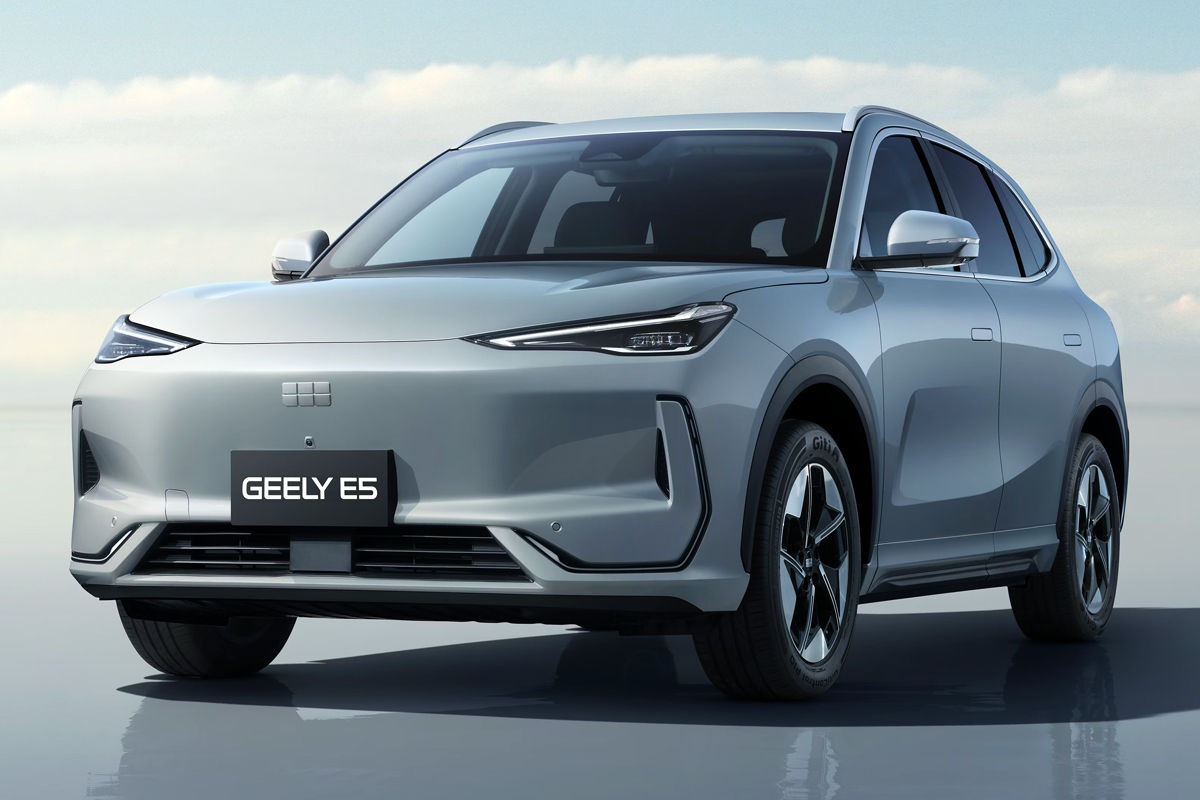
For years, the debate about Chinese cars entering Western markets revolved around hardware—battery chemistry, cost structures, manufacturing scale, the relentless cadence of new model launches. But one of the most consequential moves in Geely's international expansion involves almost no metal at all. The announcement that vehicles from Geely brands will ship with Google built-in services outside China is far more strategic than a convenient infotainment upgrade. It is the quiet export of a Chinese automaker's software stack, wrapped in the familiarity of an American tech platform.
On the surface, the arrangement is straightforward. Geely Auto Group will offer customers greater choice through Google built-in, integrating Google Assistant, Google Maps, and the Play Store directly into vehicle operating systems rather than relying on phone mirroring. For European, Middle Eastern, and soon North American buyers, this is precisely the reassurance they expect. Western consumers have grown wary of Chinese vehicles arriving with unfamiliar digital ecosystems, potential data residency questions, and app stores that feel like a different internet. By adopting Google built-in, Geely neutralises that anxiety in a single stroke.
The Stack Beneath the Screen
Look closer at what actually travels across the border. The Google built-in layer is the visible surface; beneath it sits Geely's own electrical architecture, its own vehicle domain controllers, its own over-the-air update pipelines, and the software-defined vehicle platform developed across its brand portfolio. When a Polestar, a Zeekr, or a Geely Galaxy model reaches a European driveway with Google services on the screen, the underlying code that governs battery management, driver assistance, and cabin systems is Chinese-engineered. Geely is not exporting Google to the world. It is exporting its own software through a Google-shaped door.
A Deliberate Contrast in Timing
The timing is instructive. Geely has confirmed its entry into Canada in 2027, with company representatives suggesting sales could begin in a matter of months rather than years, even as Washington debates ever-stricter restrictions on Chinese connected vehicles. The contrast is deliberate. While American policymakers fret over software provenance and data security, Geely is building a narrative of transparency and integration, anchored by the most recognisable software brand in the Western world. Signing its 100th UK retail outlet in less than a year of market entry reinforces the same message: this is a serious, long-horizon player, not a speculative entrant.
Hardware Credibility to Match
Nor is the software push isolated from the hardware story. Geely's products continue to accumulate credibility where it matters most to sceptical buyers. The Geely EX2 and its stablemates recently aced Euro NCAP, dismantling the persistent myth that Chinese EVs compromise on safety. The Geely Panda Mini, now updated with a CATL battery and starting at roughly 6,540 USD in China, demonstrates the cost discipline that underpins the group's global pricing power. And the Horse Powertrain joint venture with Renault, with its 13-in-1 PHEV off-road drive system delivering a remarkable 4,920 Nm of wheel torque, shows that Geely's engineering ambition extends well beyond software.
Frictions of Scale, Not Failure
There are cautionary notes. Chinese regulators have flagged the Geely EX2 over wheelbase and fuel economy discrepancies, a reminder that rapid expansion invites scrutiny. The fading of Geely's hopes in certain motorsport contexts, reported by Sportscar365, underscores that not every venture lands cleanly. And the looming Project KO11, aimed squarely at Range Rover with a European launch next year, will invite the harshest comparisons the brand has yet faced. But these are the frictions of a company operating at scale, not the symptoms of a strategy in trouble.
What makes the Google built-in deal genuinely significant is its template quality. Geely has found a way to make Chinese vehicle software palatable to regulators, journalists, and consumers in markets that might otherwise resist it, by letting a trusted third party front the interface while retaining control of the stack beneath. As the group prepares for Canada, deepens its UK footprint, and readies European flagships, that model will be copied. The industry has spent years asking when Chinese software would arrive in Western cars. Geely's answer is that it already has; it simply arrived wearing Google's clothes.