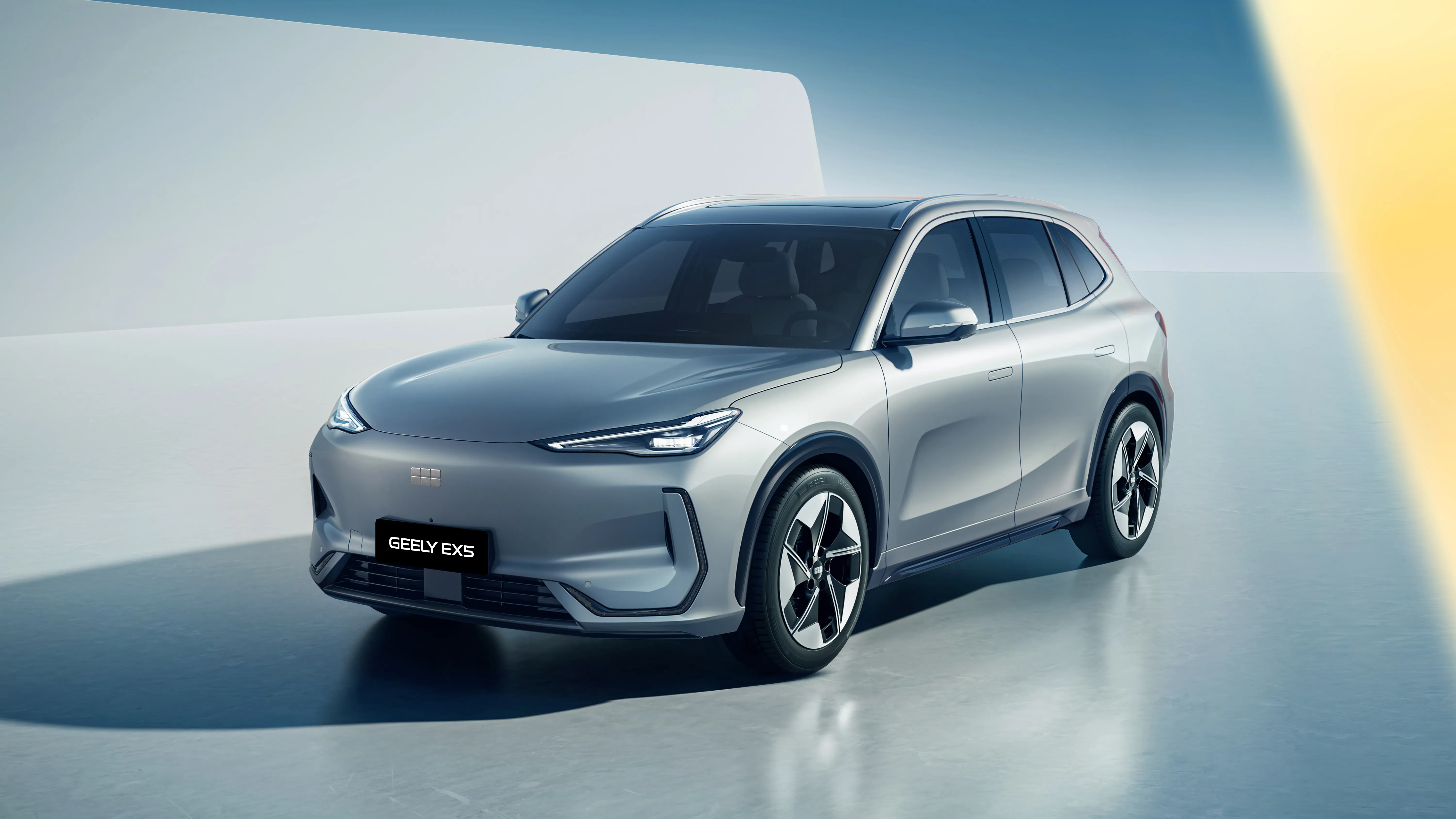
The race to kill charging anxiety has a new leader, and it isn't the company most of us had pencilled in. Geely has unveiled a 2.2MW charging architecture capable of replenishing an EV battery in roughly four minutes — a figure that doesn't nudge the goalposts so much as relocate the entire stadium. For a brand that has spent a decade quietly assembling one of the most diversified automotive portfolios on the planet, this is the moment the engineering ambition steps out of the shadows and into the floodlights.
Because let's be honest about what four minutes means. That's a fuel stop. That's a coffee you don't finish. The industry spent years treating 350kW as the promised land, then watched BYD muscle into megawatt territory with its flash-charging platform. Geely's answer lands at 2.2MW, a number that sounds faintly ridiculous until you think about what it takes to sustain it: ultra-high-voltage architectures, battery chemistry that can swallow that current without cooking itself, and charging infrastructure robust enough to deliver the goods without melting the cable in your hand. The headline is the four minutes. The story is the convergence — car, battery and grid finally pulling in the same direction.
Why the Sedan Is the Real Story
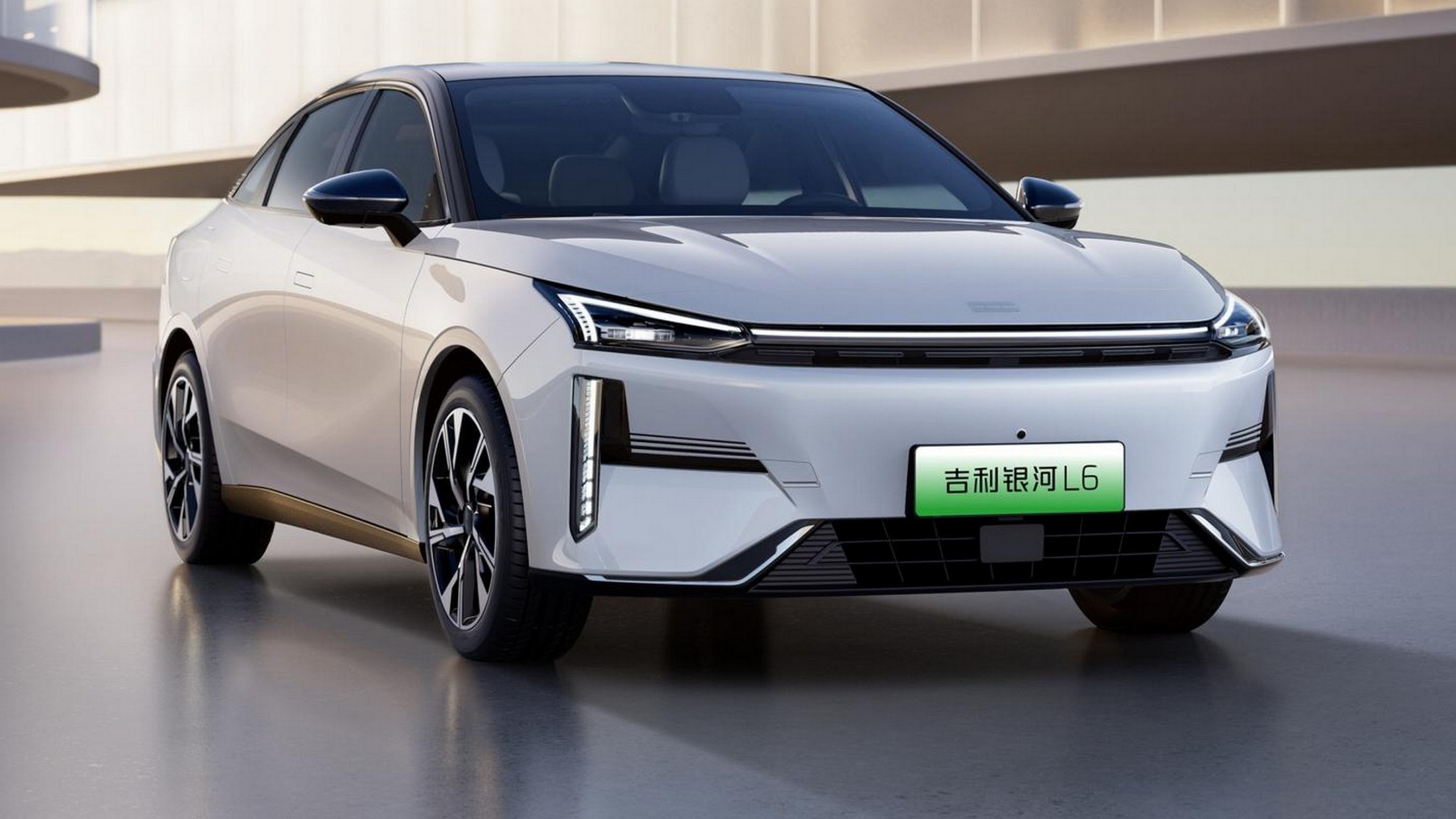
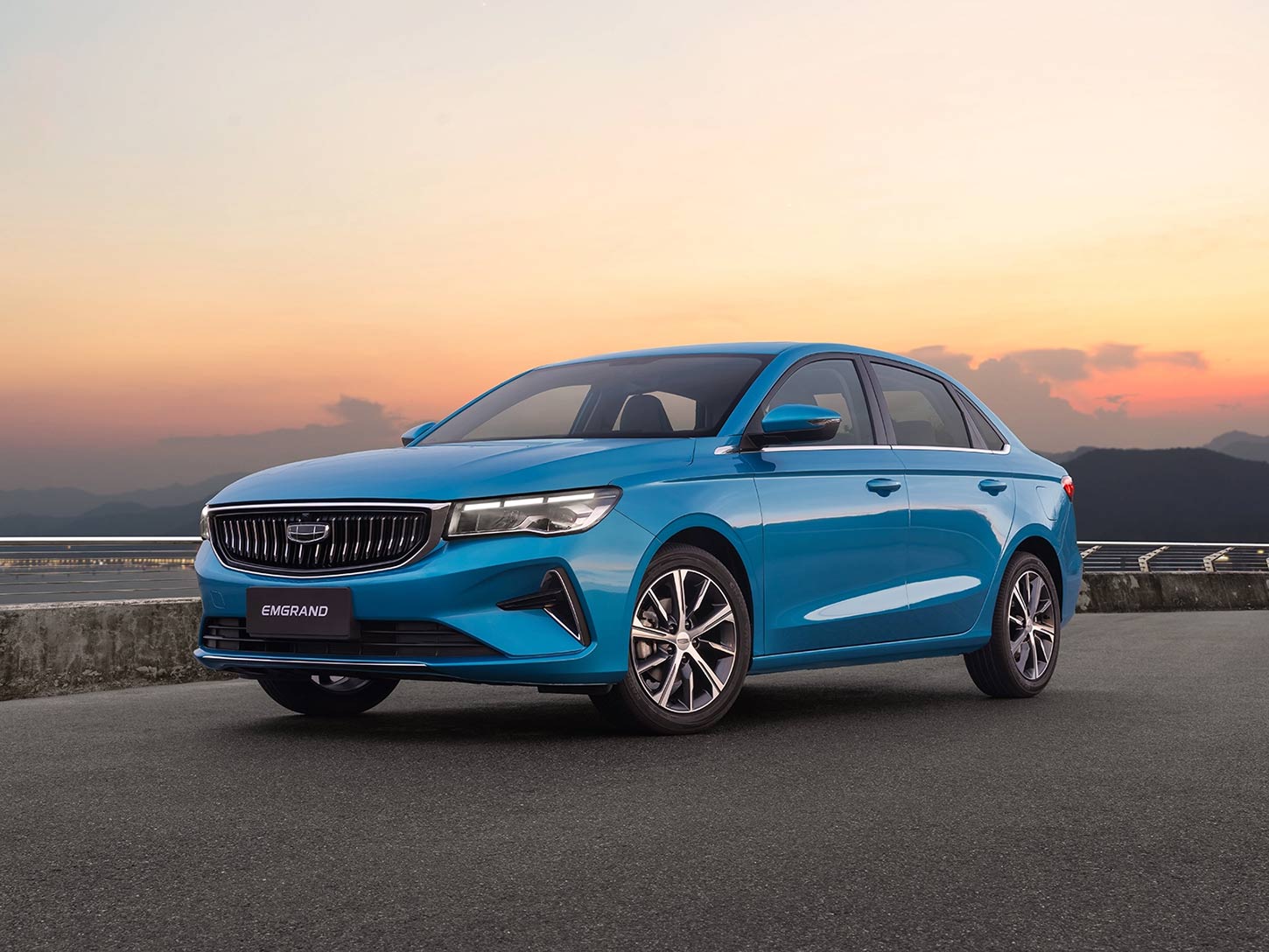
Here's the pointed part. Sedans remain the volume backbone of the global market, particularly across Europe and China, yet they've habitually been last in line for flagship charging tech. SUVs and halo models get the shiny new platforms first; the honest mid-sizer waits its turn. Geely is flipping that script by framing four-minute charging as mainstream capability rather than an exotic footnote. This benchmark, the company is saying, belongs to the everyday electric saloon — not to some limited-run flagship with a waiting list and a six-figure sticker.
That reframing is deliberate, and it lands as a direct challenge. Every rival building a mid-size electric sedan now faces an uncomfortably simple question: if Geely can promise four minutes, why can't you? Charging speed has become the sport's new lap time, and nobody wants to be the one explaining why their car needs a long lunch.
A Company Built to Back Up the Claim
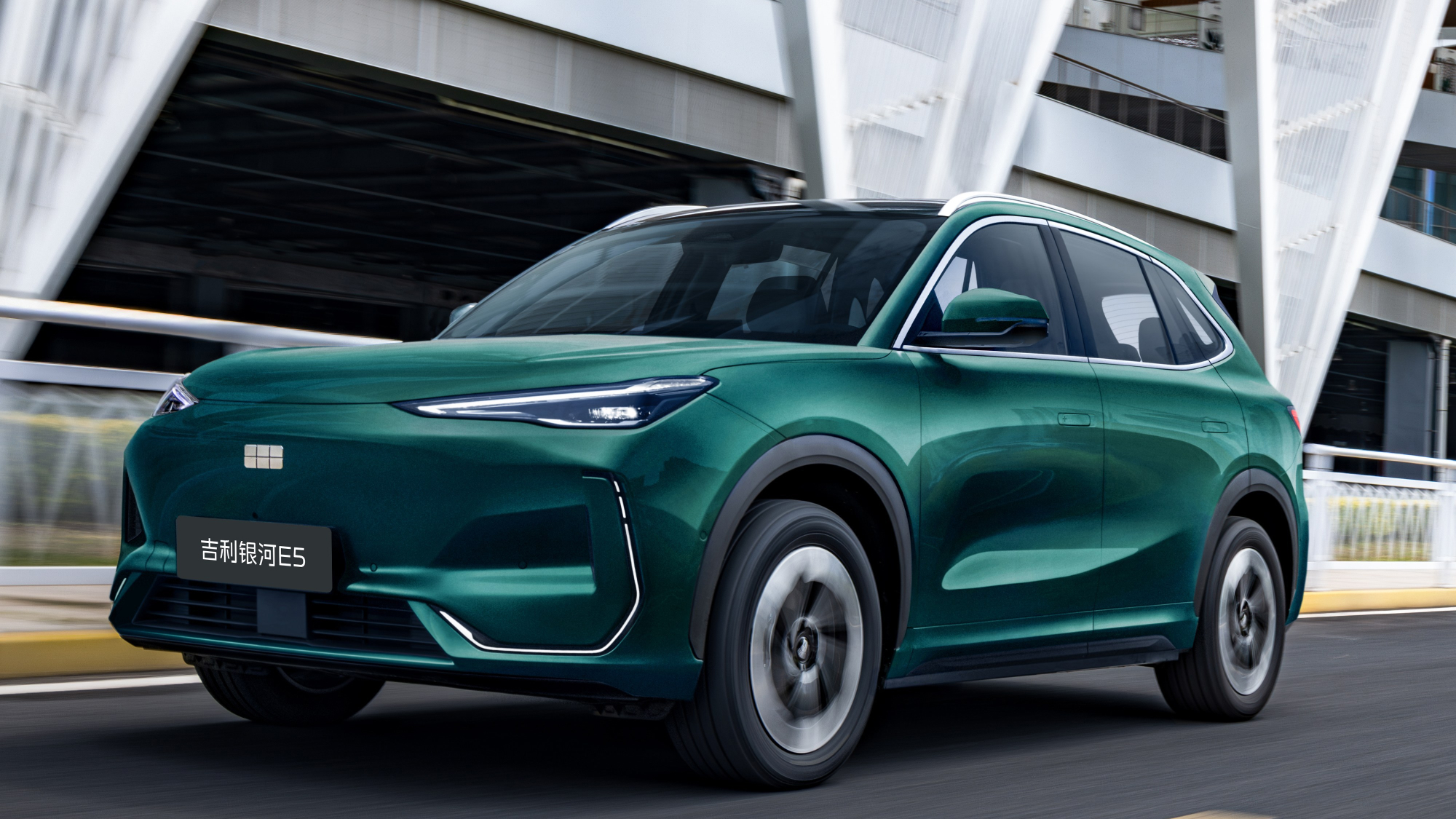
The broader corporate picture makes the ambition look less like a stunt and more like strategy. Geely has been expanding on multiple fronts at once — entering Switzerland with a trio of new-energy vehicles, establishing a manufacturing foothold in Spain through a former Ford facility that neatly sidesteps European tariffs, deepening its industrial partnership with Renault in Brazil, and preparing the rear-drive EX5 for launch. There's even an off-road model that hoovered up 43,900 pre-orders in a single hour.
A company generating that kind of demand across such wildly disparate segments isn't chasing headlines for their own sake. It's building the infrastructure and the credibility to underwrite a charging standard — the unglamorous groundwork that turns a press-release number into something you can actually rely on at a motorway services on a wet Tuesday.
The Caveats Worth Keeping
Scepticism is warranted, as it always is with charging claims. Peak rates rarely tell the whole story, and the real-world experience hinges on battery preconditioning, ambient temperature, and whether the grid can genuinely supply 2.2MW to a single stall without the local substation throwing a tantrum. Geely will need to prove four-minute charging holds up beyond a controlled demonstration, and that the cars capable of accepting that power are affordable and widely available rather than locked behind a premium tier.
The company has also yet to detail how broadly this architecture will roll out across its model lines. That rollout plan is what separates a genuine industry benchmark from an impressive technical showcase — and it's the detail everyone in Stuttgart, Munich, Seoul and Shenzhen will be waiting for.
The Direction of Travel
Even with those caveats, the trajectory is unmistakable. Charging speed has become the decisive battleground of the electric transition, and Geely has planted a flag at a height its competitors must now either match or cede. Four minutes is no longer a fantasy reserved for concept presentations and glossy renders. It's the new benchmark — and the sedan is where it will be judged.
Which feels like the right place for it. Geely's philosophy has always been about volume, reach and quiet competence rather than fireworks: build the cars people actually buy, in the segments that actually matter, and make the technology serve them rather than the other way round. Four-minute charging in an everyday electric saloon is that philosophy made tangible. The stopwatch starts now.