While the automotive press fixates on Geely's spectacular entry into the high-performance off-road segment — the Galaxy Zhanjian 700, a 1,113-horsepower machine that reportedly drew 43,900 pre-orders in a single hour — the Chinese giant has been executing a far more consequential manoeuvre some ten thousand miles away. In Brazil, a quiet industrial revolution is underway, and it threatens to redraw the electric vehicle map of Latin America before Tesla has even finished sketching its first line.
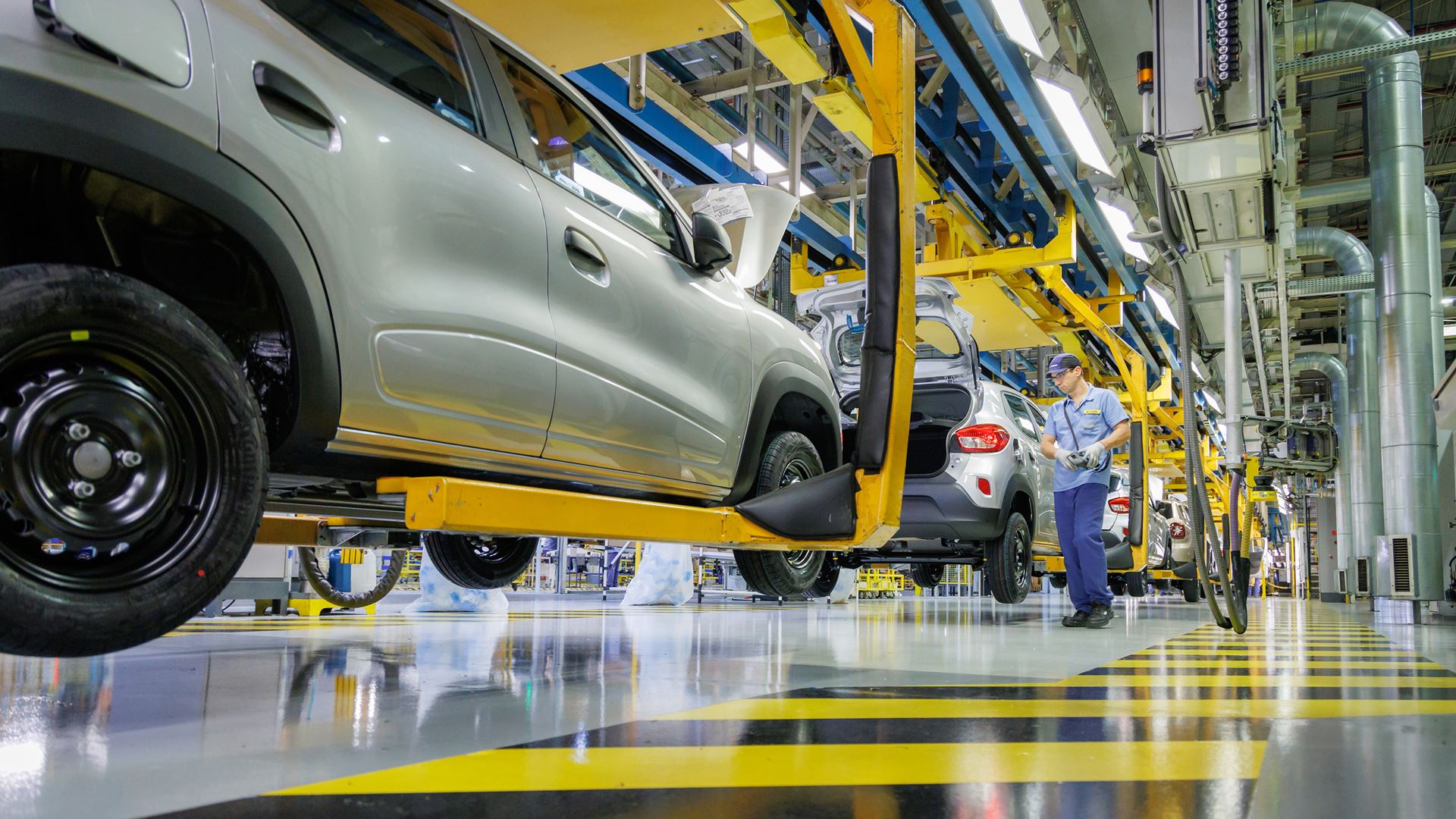
The numbers tell the story with brutal clarity. Geely's TT launched at $19,100 — roughly half the price of a Tesla Model 3 in comparable markets. That is not a promotional stunt or a loss-leading headline grab. It is the opening salvo of a strategy built on local production, favourable economics, and a partnership with Renault that has committed €319 million — approximately 2 billion reais — to Brazilian operations. When Renault Geely do Brasil announced the start of local production of the first Geely car on Brazilian soil, it signalled something Tesla has yet to achieve anywhere in South America: genuine manufacturing presence.
The Sedan That Makes the Case
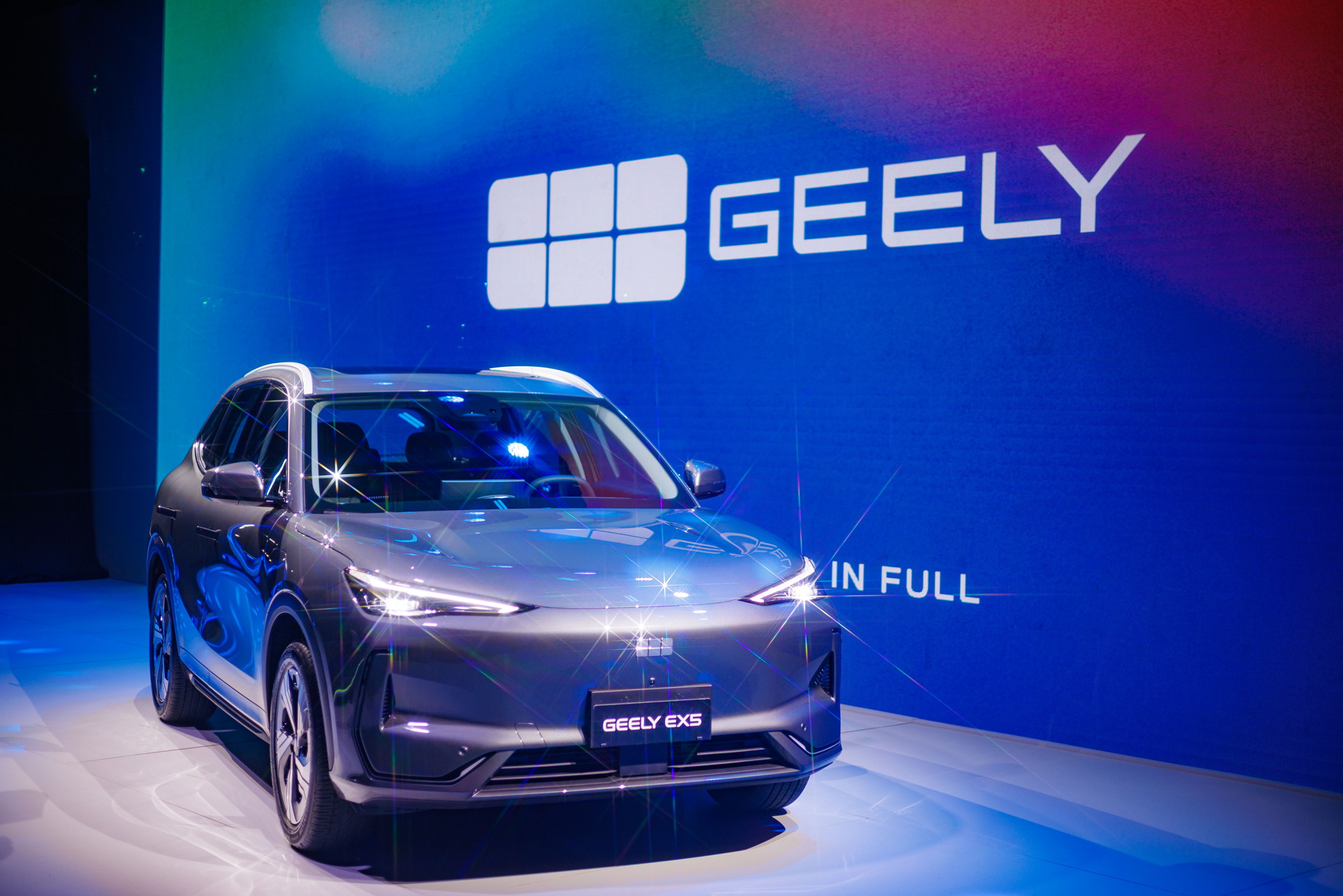
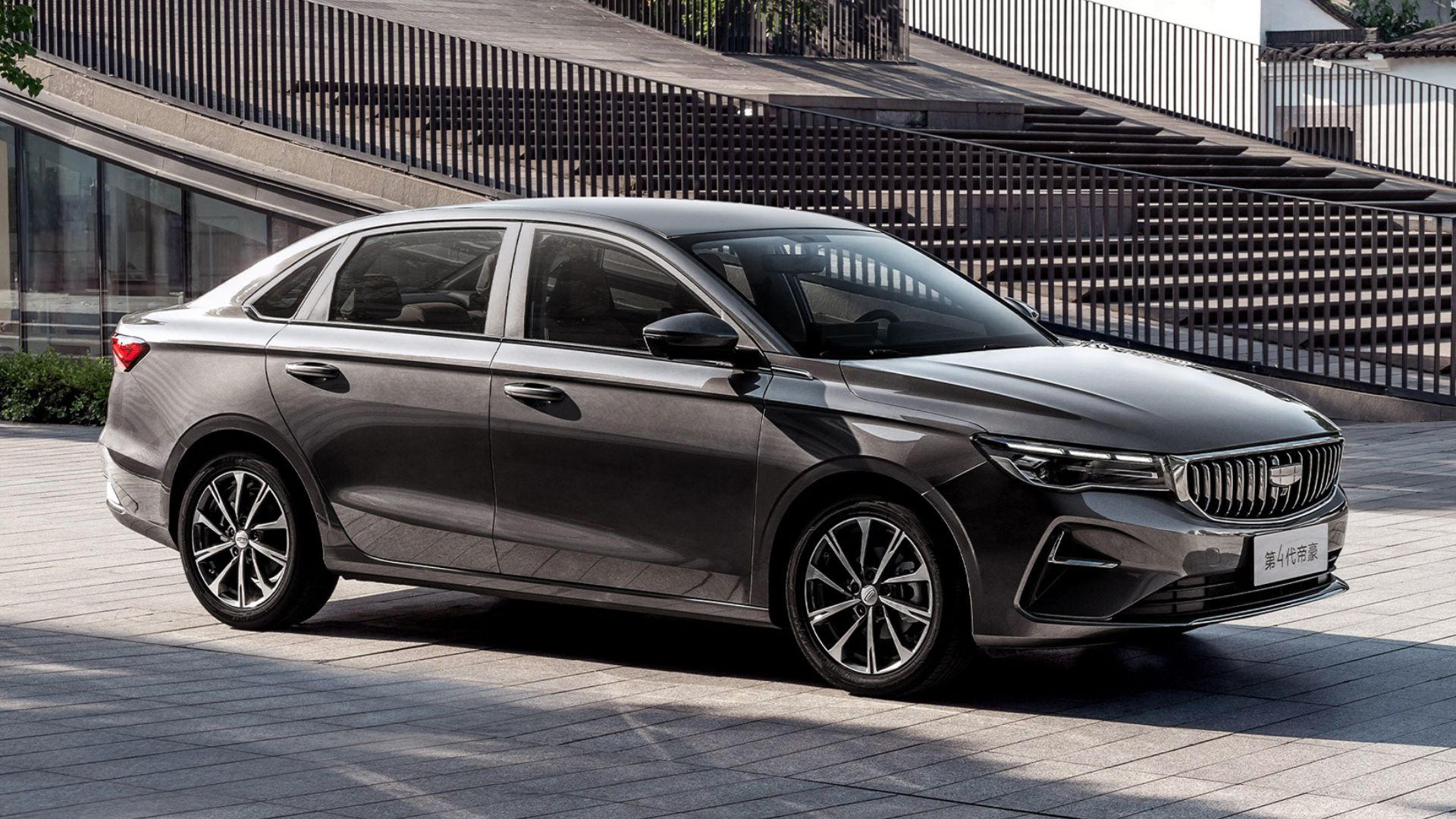
The vehicle at the centre of this push is the EX5 EM-i, a sedan that has now entered production in Brazil. It is a sensible, well-engineered machine — exactly the kind of car that resonates in markets where value, efficiency, and aftersales confidence matter more than drag coefficients and lap times. By building locally, Geely sidesteps the punishing import tariffs that have kept Chinese EVs artificially expensive across much of the region. It also gains access to Renault's established dealer network, a logistical advantage that cannot be overstated in a continent where distribution reach is often the difference between a brand's success and its oblivion.
Tesla, by contrast, has no manufacturing footprint in Latin America. Its vehicles arrive as imports, priced accordingly. In Brazil, a Model 3 can cost more than double a locally produced Geely TT, and that gap is not closing — it is widening as Geely deepens its commitment to the region. The irony is exquisite: Tesla, the company that promised to democratise electric mobility, is being undercut on price and accessibility by a Chinese conglomerate that also happens to be building 1,113-hp off-roaders for the sheer spectacle of it.
A Portfolio Without Contradiction
Geely's broader portfolio reveals a company unafraid of contradiction. The Starray, reviewed favourably by Top Gear in 2026, demonstrates competence in conventional segments. The Galaxy Zhanjian 700 — priced from around $29,530 in China — shows an appetite for halo products that generate headlines and cultural cachet. And the EX5, with its enormous front trunk and practical packaging, reveals a manufacturer that understands the unglamorous necessities of family transport. This is not a one-trick pony. It is a company with the range and resources to compete on multiple fronts simultaneously.
Patience as a Weapon
What makes the Brazil strategy so potent is its patience. Geely is not chasing quarterly delivery records or Elon Musk's social media cycle. It is embedding itself in a market of over 200 million people, building cars where they are sold, and pricing them for households that Tesla has effectively ignored. The Renault partnership provides cover, credibility, and capital — three things that matter enormously in a region where political and economic volatility can undo even the best-laid plans.
There is a temptation to frame this as a David-and-Goliath narrative, but that would be lazy. Geely is not the underdog. It is a sprawling industrial entity with Volvo, Polestar, Lotus, and Zeekr in its orbit, and it is now applying that scale to a market Tesla has treated as an afterthought. The TT at $19,100 is not a curiosity. It is a statement of intent.
The Road Ahead Runs Through São Paulo
Latin America's electric transition will not be led by the company with the most advanced autonomous software or the fastest charging network. It will be led by whoever can put a reliable, affordable EV in the driveway of a middle-class family in São Paulo or Bogotá. On current evidence, that company is Geely — and it is doing it without fanfare, without a celebrity CEO, and without asking anyone to pay a premium for the privilege. That is not just good business. It is the clearest expression of what Geely, at its core, has always understood: that the future of driving belongs to those who build it, not those who merely ship it.