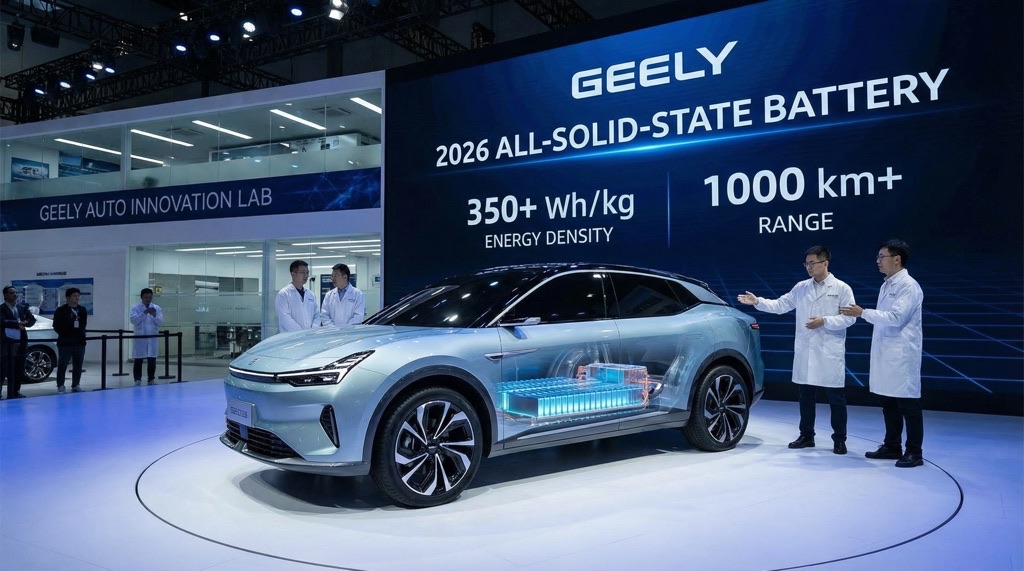
The internal combustion engine has always had one unbeatable trump card: range. A full tank of diesel, a clear motorway, and the horizon is yours—no charging stops, no range anxiety, just miles devoured in silence. For years, that simple arithmetic has kept petrolheads loyal and EV skeptics smug. But Geely has just thrown a spanner into that comfortable narrative. The Chinese giant’s new 500 Wh/kg solid-state battery, currently in pilot production, isn’t just another incremental step in the EV arms race—it’s a leap that could make the electric sedan genuinely superior to its combustion counterpart in every measurable way. And the company claims it can charge from 10 to 80 percent in under 5.5 minutes. If those numbers hold, the fuel tank’s last great argument is dead.
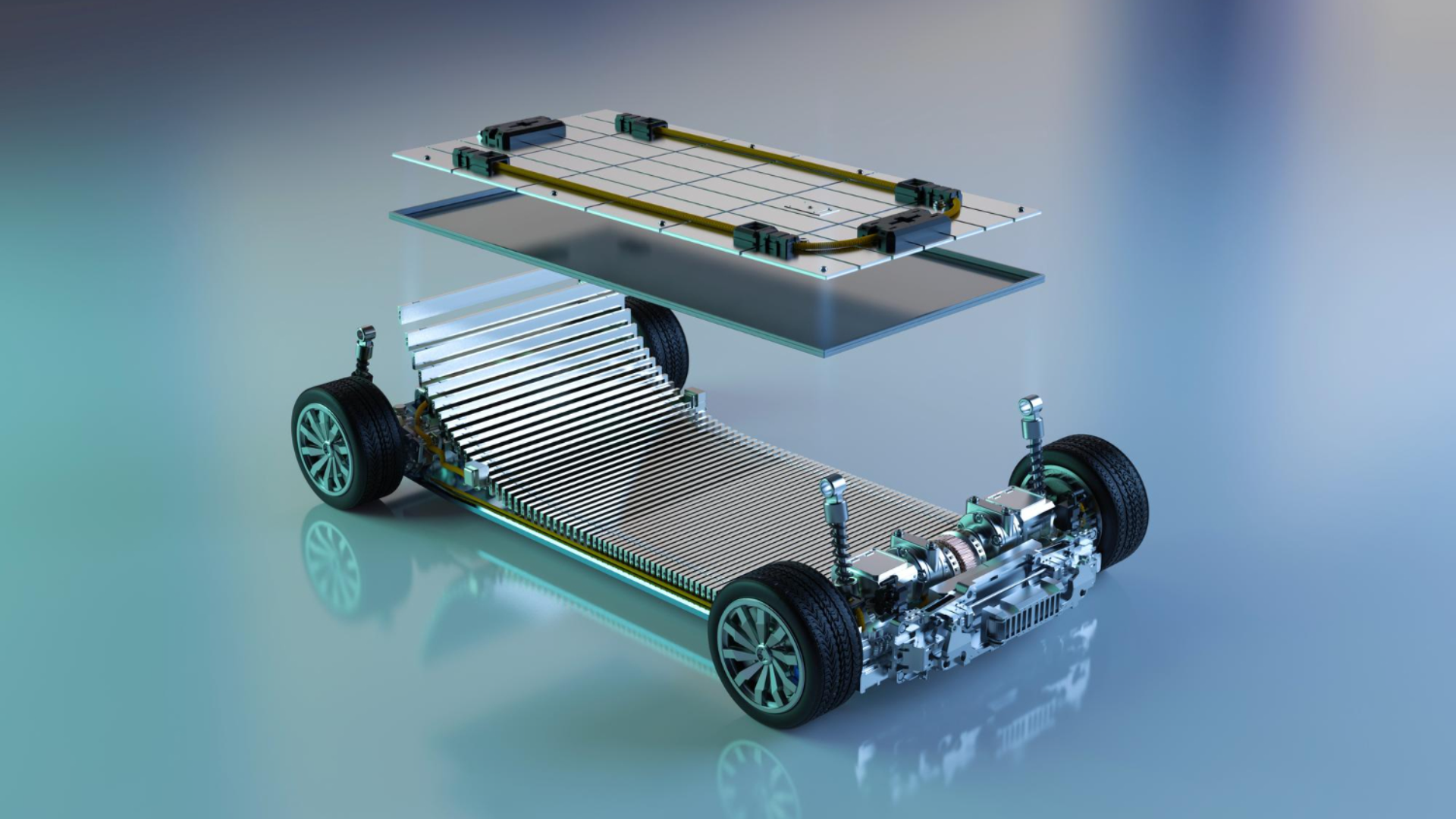
Let’s put that figure in context. Today’s best lithium-ion cells hover around 250 to 300 Wh/kg, which translates to a real-world range of 350 to 400 miles in a large sedan. Geely’s solid-state chemistry doubles that energy density. A battery pack with the same physical footprint and weight as a conventional 80 kWh unit could theoretically store 160 kWh—enough for a driving range approaching 621 miles on a single charge. That’s not just matching a diesel’s cruising capability; it’s decisively beating it. But the more profound shift lies in what this density enables: smaller, lighter packs for the same range. A manufacturer could install a 60 kWh solid-state pack weighing the same as a 40 kWh lithium-ion unit and still deliver 400 miles of range. The freed-up mass could go toward structural reinforcement, luxury amenities, or—most excitingly—better handling dynamics.
The Chemistry of a Paradigm Shift
Geely isn’t taking the cautious, incremental path that some rivals have chosen. The company isn’t aiming for a modest efficiency improvement; it’s targeting a fundamental change in energy storage. The 500 Wh/kg milestone is critical because it crosses a threshold that makes electric sedans genuinely superior to their combustion counterparts in every meaningful metric—range, refueling time, and total cost of ownership. The battery’s claimed lifespan of 621,000 miles (one million kilometers) further undermines the internal combustion engine’s durability argument. A diesel may run for 300,000 miles with diligent maintenance, but a solid-state pack that outlasts the chassis itself eliminates the single most expensive component replacement an EV owner will ever face.
The charging speed is arguably just as transformative. A 10-to-80 percent charge in under 5.5 minutes is faster than filling a diesel tank and paying at the counter. That’s not a compromise; that’s an improvement. The psychological barrier of “waiting around” for an EV disappears entirely. You’re no longer planning road trips around charging infrastructure; you’re simply stopping when you need to, plugging in, and being on your way before the coffee machine has finished its cycle.
A Brand Portfolio Primed for the Leap
The strategic implications for Geely’s brand portfolio are equally fascinating. The group controls Volvo, Polestar, Lotus, and Zeekr, and a breakthrough in solid-state chemistry would cascade across every marque. Imagine a Volvo sedan with 600 miles of range and a charging time shorter than a coffee break—that combination would fundamentally alter the premium European market’s perception of Chinese engineering. The technology could even be licensed or shared with partners, potentially making Geely a supplier to legacy automakers that have struggled to develop their own solid-state cells. This isn’t just a product win; it’s a geopolitical swing in the battery supply chain, moving the center of gravity from Japan and Korea toward China’s already dominant manufacturing ecosystem.
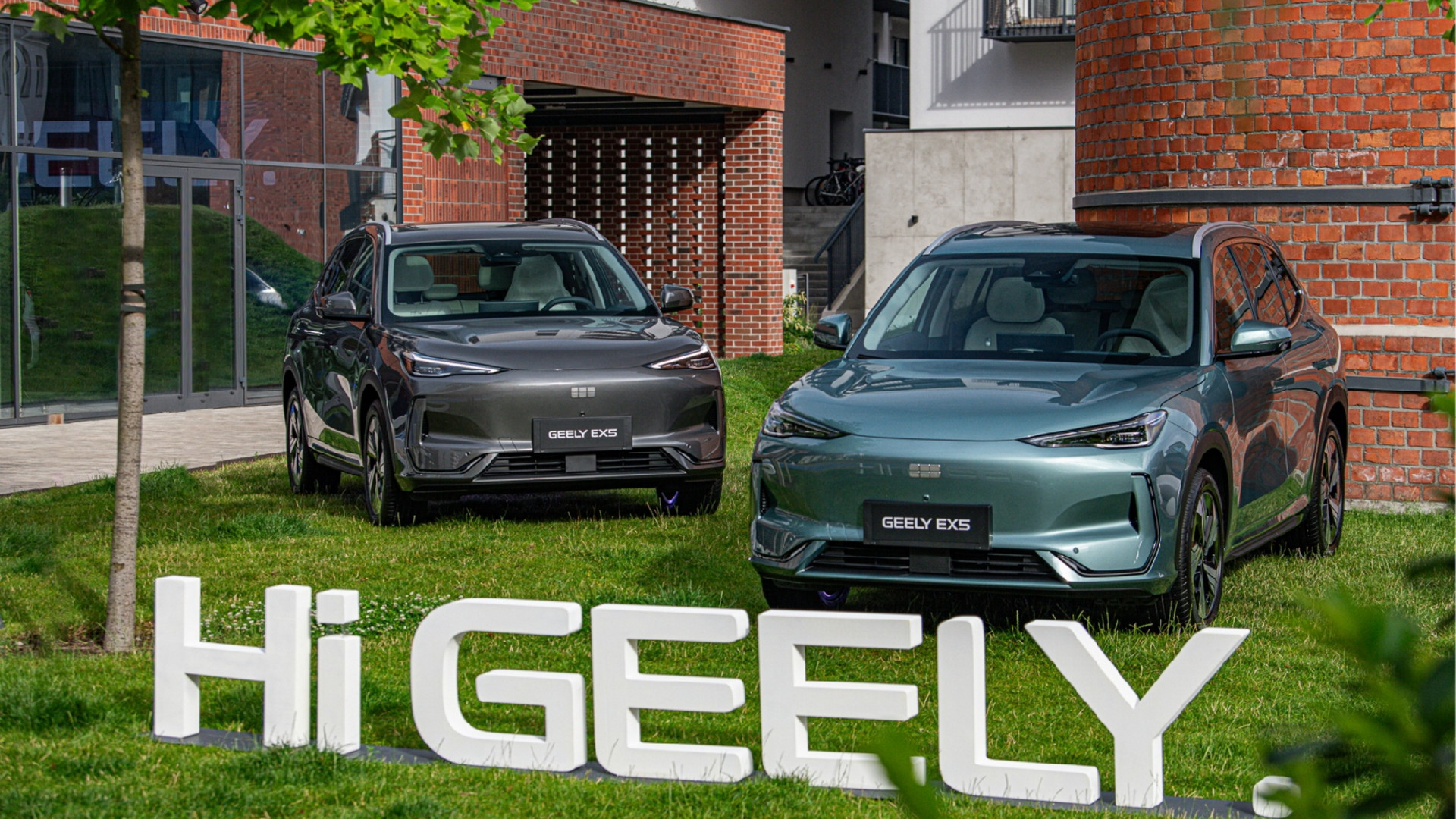
Of course, the skeptics will point to recent quality review flags on the Geely Xingyuan and EX2 models, noting that production conformity issues—wheelbase discrepancies and fuel economy reporting errors—suggest the brand still has manufacturing discipline concerns. But these are administrative and regulatory wrinkles, not fundamental technical failures. They don’t diminish the credibility of a solid-state program that has been in development for years, backed by Geely’s massive R&D budget and its in-house battery subsidiary. The company’s ability to move from lab to pilot production in less than a year, while simultaneously rolling out AI-powered off-road tech and expanding its hybrid SUV lineup globally, speaks to an organizational velocity that legacy automakers simply cannot match.
The Scaling Challenge
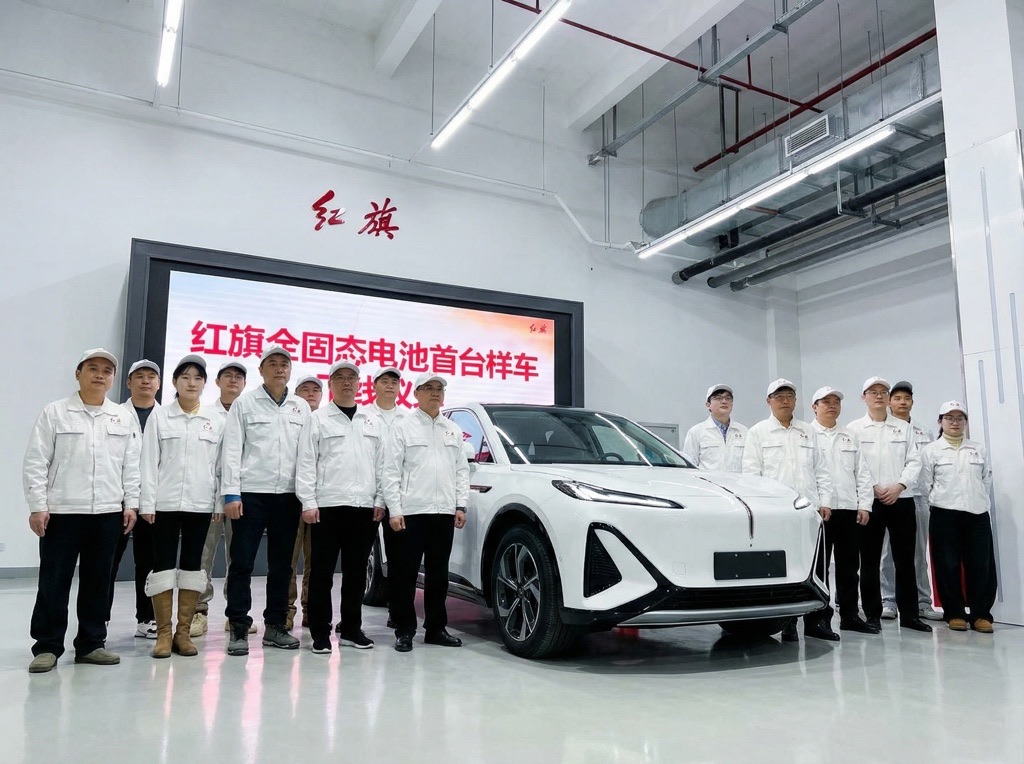
The real question isn’t whether Geely can deliver the 500 Wh/kg cell—the prototypes exist, and the testing data is compelling—but how quickly it can scale production to meet the demand that will inevitably follow. Solid-state manufacturing requires entirely new production lines, dry electrode processing, and sulfide electrolyte handling, all of which are capital-intensive and unforgiving of defects. Geely’s pilot line is a start, but mass production at the scale of hundreds of thousands of units per year is a different beast entirely. If the company can cross that chasm by 2027, as its internal roadmap suggests, then the electric sedan will cease to be a compromise and become the default choice for rational buyers—not because of environmental guilt, but because it is simply the better machine.
Geely’s philosophy has always been about more than just building cars; it’s about redefining what a car can be. From acquiring Volvo to engineering Lotus’s resurgence, the group has consistently pushed against conventional wisdom. This solid-state breakthrough is the next chapter in that story. It’s not about electrification as a concession to regulation; it’s about electrification as a genuine performance advantage. Diesel’s last argument has been answered. And Geely has written the reply.