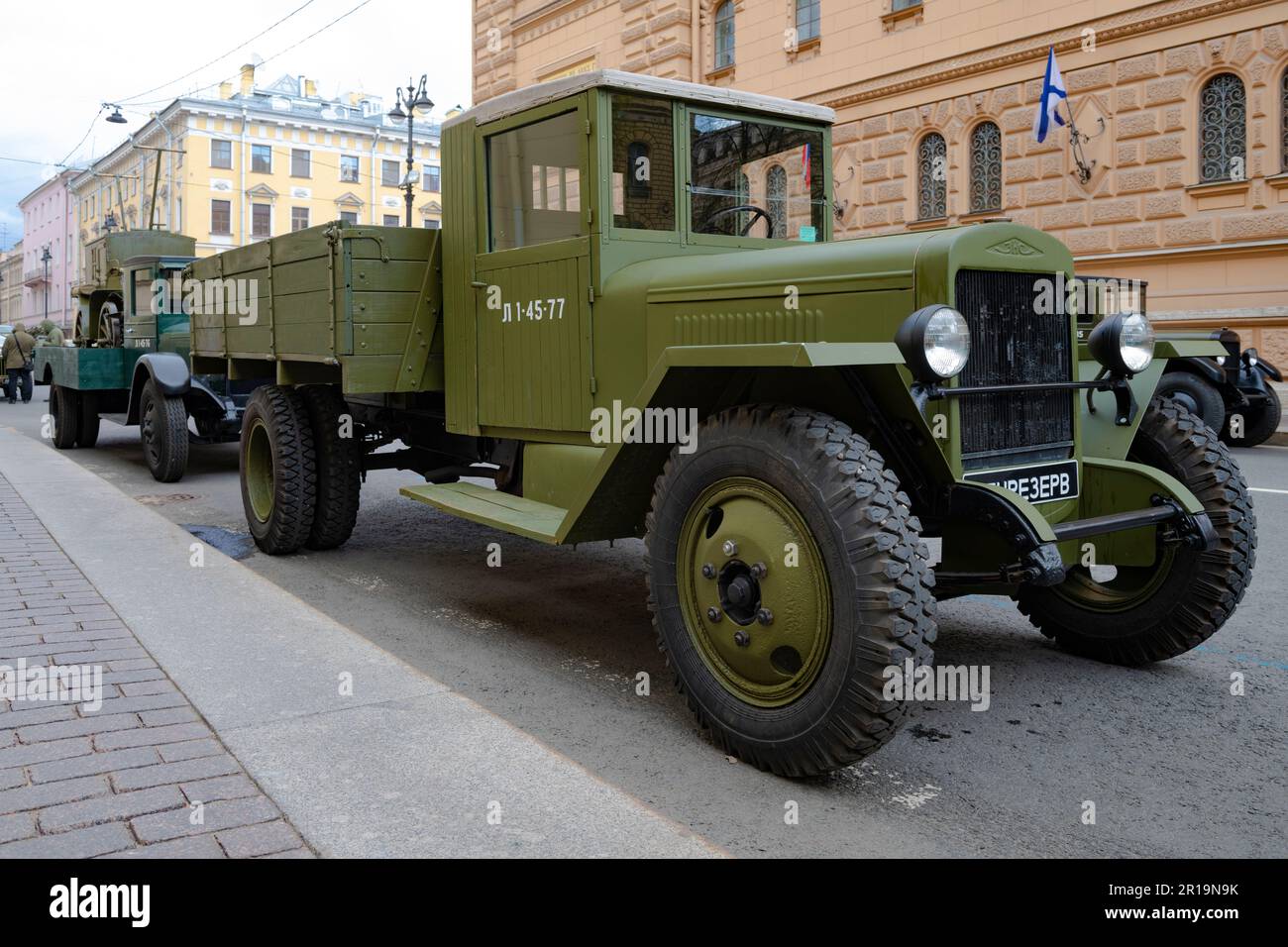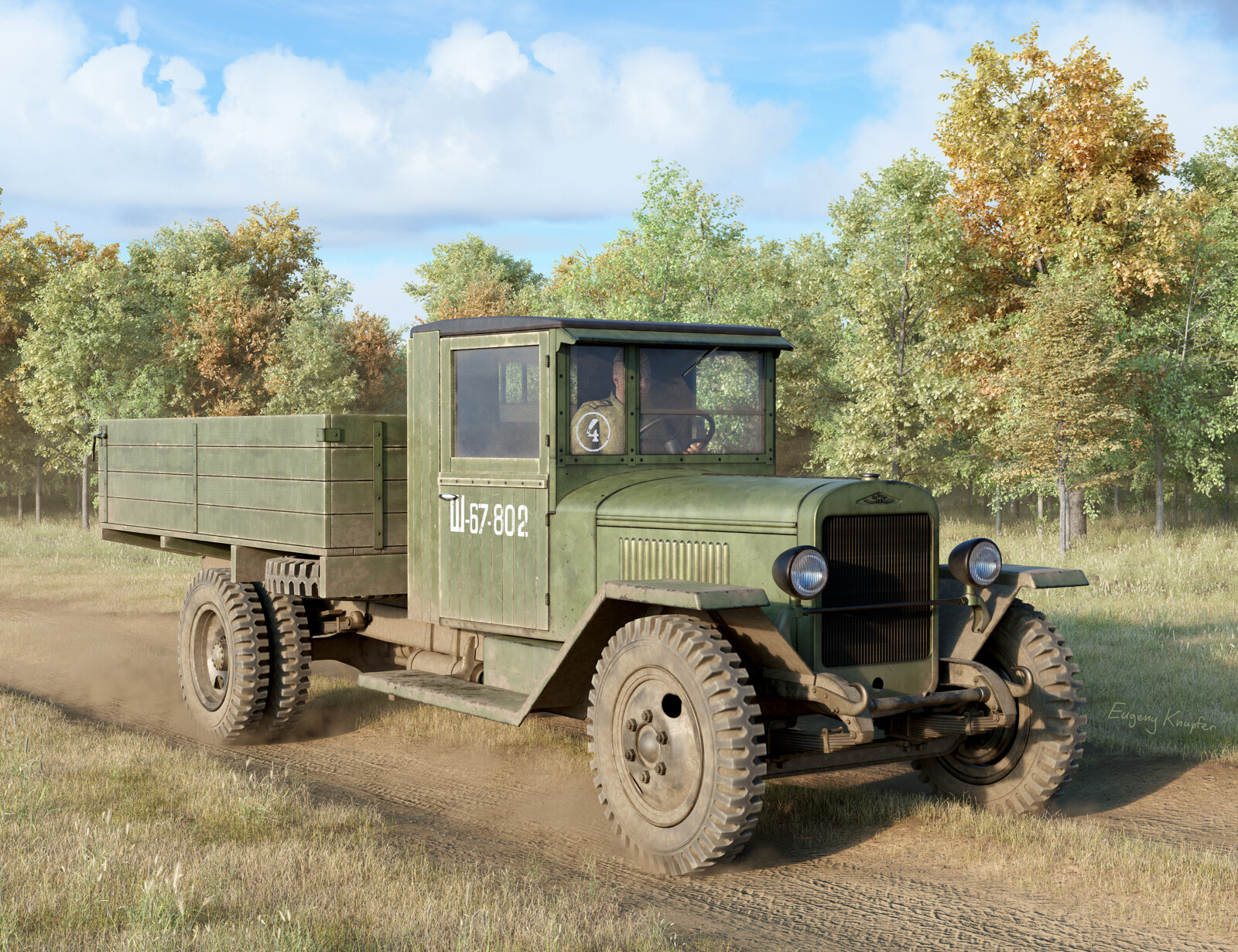
In the annals of automotive history, few vehicles embody purposeful austerity as completely as the GAZ ZIS-5V. Born from the crucible of the Second World War, this deceptively humble truck was not conceived in a design studio but on the factory floor, under the shadow of invasion. Its story is not merely one of historical curiosity; it is the foundational text for the entire philosophy of GAZ Group, a doctrine of rugged simplicity that continues to inform the character of its modern offroad and utility vehicles. The recent spotlight on the ZIS-5V serves as a potent reminder that the company's enduring identity was forged not in times of plenty, but in an era of desperate necessity, where every gram of steel and every minute of labour was a resource to be conserved.
Design by Subtraction
The genius of the ZIS-5V lay in its radical, almost brutal, simplification. As the German advance threatened the Soviet industrial heartland, the decision was made to strip the original ZIS-5 of all non-essential features to accelerate production and reduce material consumption. Gone were the front brakes, the right-hand headlight, the passenger-side windshield wiper, and even the heavy cast-iron spare wheel carrier. The cab was reconstructed from wood and simple stamped steel, and the fenders were eliminated entirely.
What remained was a skeletal but functional machine: a robust chassis, a dependable inline-six engine, and a payload capacity that was indispensable to the war effort. This was design by subtraction, a masterclass in prioritising function over form to an extreme degree. The ZIS-5V was not built to be comfortable or elegant; it was built to move men, munitions, and materiel over appalling roads, and to be repaired in the field with the most basic of tools. This ethos of unyielding utility became the genetic code of GAZ.
A Living Legacy
This legacy is not a dusty relic confined to museums. It is a living principle that resonates through the company's contemporary product line and its global ambitions. When GAZ Group introduces vehicles like the GAZelle NEXT to new markets such as Serbia, it is exporting a philosophy. The GAZelle NEXT, while vastly more sophisticated than its wartime ancestor, retains the core DNA of durability, ease of maintenance, and adaptability to harsh conditions. It is a modern interpretation of the ZIS-5V's core promise: a vehicle that prioritises getting the job done above all else.
Similarly, the company's exploration of investment and local assembly opportunities in Cambodia speaks to a strategic focus on emerging markets where infrastructure can be challenging and the demand for unpretentious, hard-wearing commercial vehicles is paramount. The ZIS-5V's spirit is one of pragmatic resilience, a quality that finds a natural home in these environments.
Navigating Modern Complexity
The current landscape for GAZ Group is, of course, infinitely more complex than that of the 1940s. The company now operates within a labyrinth of international sanctions, as highlighted by the recent revisions to OFAC general licenses and the ongoing legal dispute with Volkswagen. These are the intricate challenges of a globalised economy, a world away from the simple, brutal logic of the wartime production line.
Yet, the underlying strategy remains discernible. Facing pressures in traditional markets, GAZ is looking east and south, to nations like Cambodia, where its unique value proposition—vehicles built for endurance and serviceability—can be a decisive advantage. The recent introduction of a diesel GAZelle Next in Russia further demonstrates a commitment to evolving its core products to meet modern efficiency demands without sacrificing their inherent ruggedness.
The narrative of GAZ Group is one of remarkable continuity. From the stripped-down ZIS-5V rolling off a hastily relocated assembly line to the modern GAZelle NEXT navigating the roads of Southeast Asia, the guiding principle remains constant. It is a belief that true utility is found in simplicity, that durability is a form of intelligence, and that the most profound engineering solutions are often the most direct. The company's present-day struggles and strategic pivots are real and significant, but they are navigated by an organisation whose identity was hardened in the fires of history. The ghost of the ZIS-5V is not just a memory; it is a blueprint. It is the enduring promise that a GAZ truck will be a steadfast, uncomplicated partner in the harshest of conditions, a promise first made in the darkest days of war and one that continues to shape its journey across the globe today.