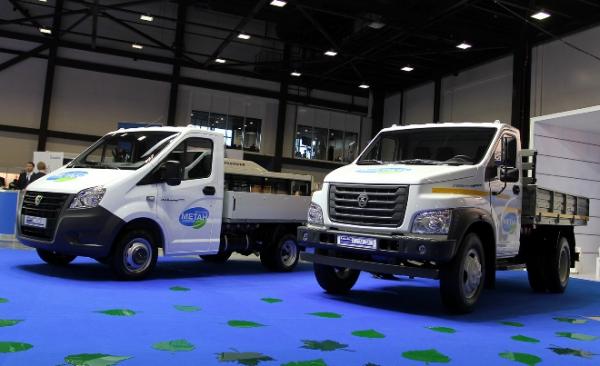
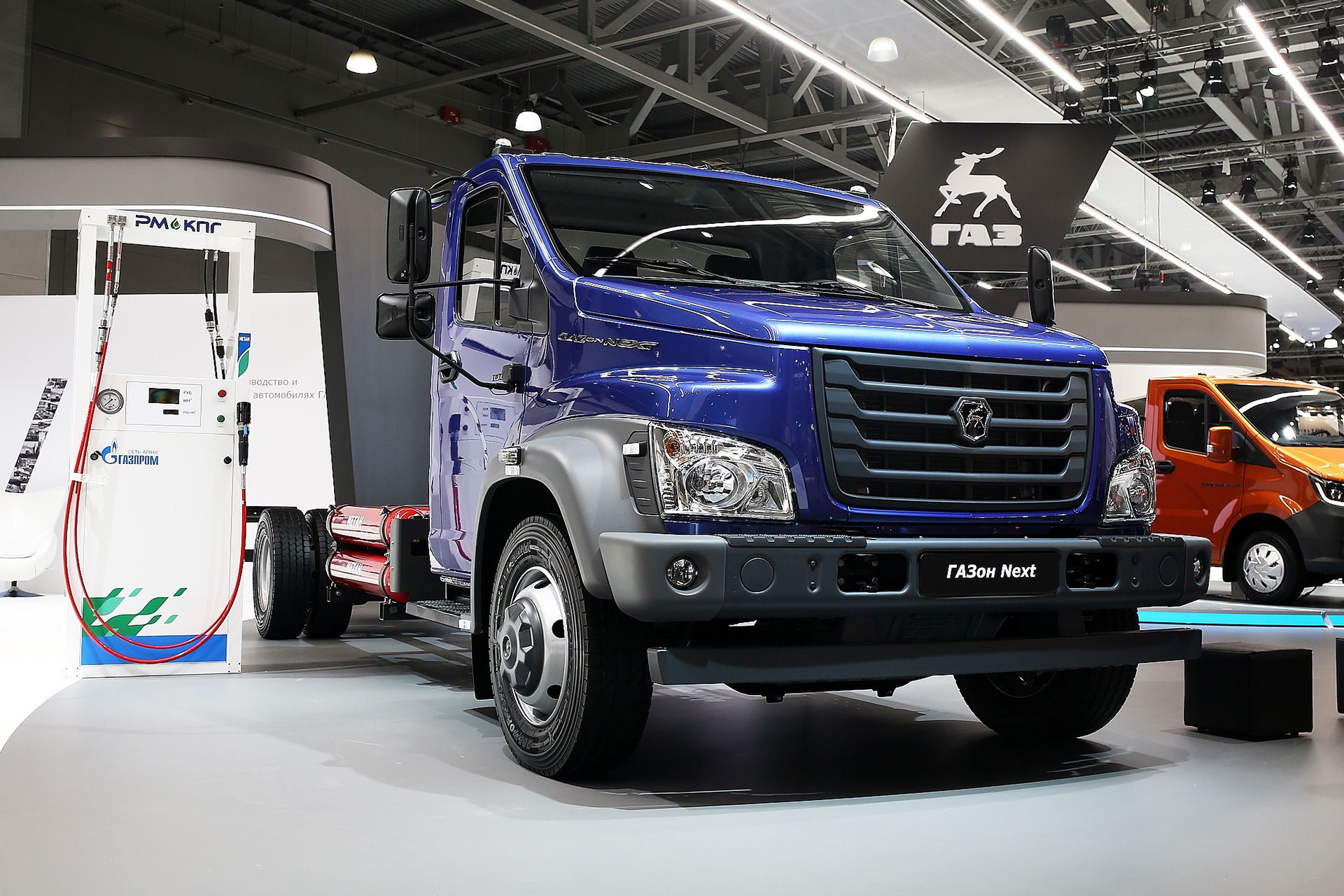
When GAZ Group rolled the GAZelle NEXT into Serbia, it looked like another routine export notice from a legacy Russian manufacturer. Look closer and it reads as something far more calculated: a survival blueprint. With its domestic business squeezed by sanctions, labour shortages, and a bitter legal war with Volkswagen, GAZ is rebuilding itself around a simple thesis — build rugged, off-road-capable utility vehicles, sell them to non-Western markets, and assemble them locally wherever possible. Serbia is the proving ground.
The vehicle itself explains much of the logic. The GAZelle NEXT is no lifestyle machine. It is a ladder-frame workhorse engineered for punishing roads, built in cargo, combi, and chassis-cab forms, and now offered with a diesel powertrain that finally delivers the torque and fuel economy fleet operators in emerging markets demand. That diesel debut matters. It transforms the GAZelle NEXT from a petrol-powered domestic curiosity into a credible tool for contractors, utilities, and municipal fleets working far from decent asphalt. In Serbia, where road quality falls away sharply outside Belgrade and Novi Sad, an off-road-biased light commercial platform isn't a compromise. It's the pitch.
A Workhorse, Not a Halo Car
Strip away the export politics and you're left with a genuinely utilitarian brief. The GAZelle NEXT is designed around bad roads rather than boardrooms — a platform that prioritises durability and repair-ability over refinement. The ladder frame, the multiple body styles, the diesel option: each decision points the same direction. This is a vehicle meant to be loaded, abused, and kept running with basic tools.
For fleet operators in markets where the nearest dealer may be hours away, that matters more than cabin tech or badge prestige. GAZ isn't chasing the premium margins Western OEMs covet. It's chasing the muddy road, the construction site, the municipal depot — the places where a cheap-to-run, over-engineered workhorse still wins business.
Serbia as a Political Instrument
Serbia also functions as a political instrument, and GAZ knows it. It is a European jurisdiction that has resisted aligning fully with Western sanctions on Russia, maintains deep cultural and energy ties with Moscow, and sits outside the European Union's customs perimeter. For GAZ, that combination is close to ideal — a foothold on the European continent that doesn't require navigating EU sanctions compliance, and a market where Russian industrial goods still carry residual goodwill.
Selling the GAZelle NEXT in Serbia isn't merely about unit volume. It's about establishing a visible, functioning export channel that can be pointed to as proof the company remains commercially alive. Every vehicle delivered is a data point against the narrative of collapse.
The Wider Sanctions-Proof Perimeter
The broader export map reinforces the pattern. GAZ has simultaneously signalled interest in Cambodia, exploring local assembly and investment opportunities in Phnom Penh's automotive sector. The logic mirrors Serbia's: small, pragmatic markets outside the Western financial system, hungry for affordable commercial vehicles and willing to entertain Russian industrial partnerships.
Where Serbia offers proximity to Europe, Cambodia offers access to Southeast Asia and a government openly courting Russian investment. Together they sketch a perimeter — a network of markets where dollar-clearing risk is manageable and political friction is low. It's not a growth strategy in the conventional sense. It's a map of where the sanctions regime doesn't quite reach.
A Hedge, Not a Growth Story
This is a defensive play, and GAZ's own troubles make that explicit. The company has filed a $348 million suit against Volkswagen, a dispute rooted in the collapse of their contract-assembly arrangement after the invasion of Ukraine. Reports of financial distress and even bankruptcy proceedings have circulated. Russia's wider auto industry is contending with acute labour shortages, with some plants reportedly moving to four-day weeks.
Against that backdrop, the GAZelle NEXT's Serbian debut is less a growth story than a hedge — a way to keep assembly lines warm and revenue flowing while the core Russian market and Western partnerships remain impaired. The diesel option, the local assembly, the friendly jurisdiction: all of it is about keeping the lights on, not lighting up a scoreboard.
There is a certain historical symmetry at work. GAZ built its reputation on the ZIS-5V, a utilitarian truck produced under wartime conditions and exported across the Soviet sphere. The GAZelle NEXT inherits that DNA: unglamorous, over-engineered for bad roads, and cheap to keep running. In an era when Western OEMs chase electrification and premium margins, GAZ is doubling down on the opposite end of the spectrum — and finding that the sanctions regime, for all its reach, does not extend to every muddy road on earth.
Whether Serbia becomes a genuine manufacturing hub or simply a flag planted in friendly soil remains to be seen. But as an export strategy, the GAZelle NEXT's Serbian expansion is coherent, cheap, and hard to blockade. For a manufacturer under pressure from every direction, that may be enough.