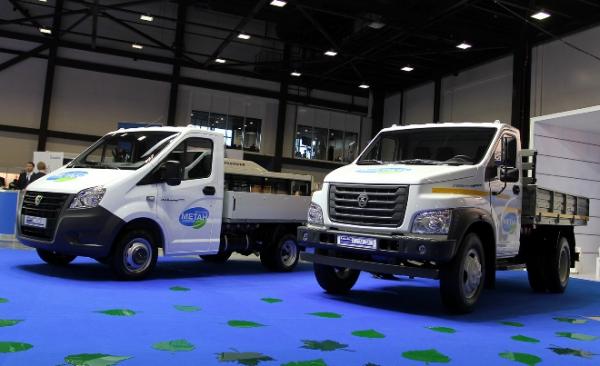
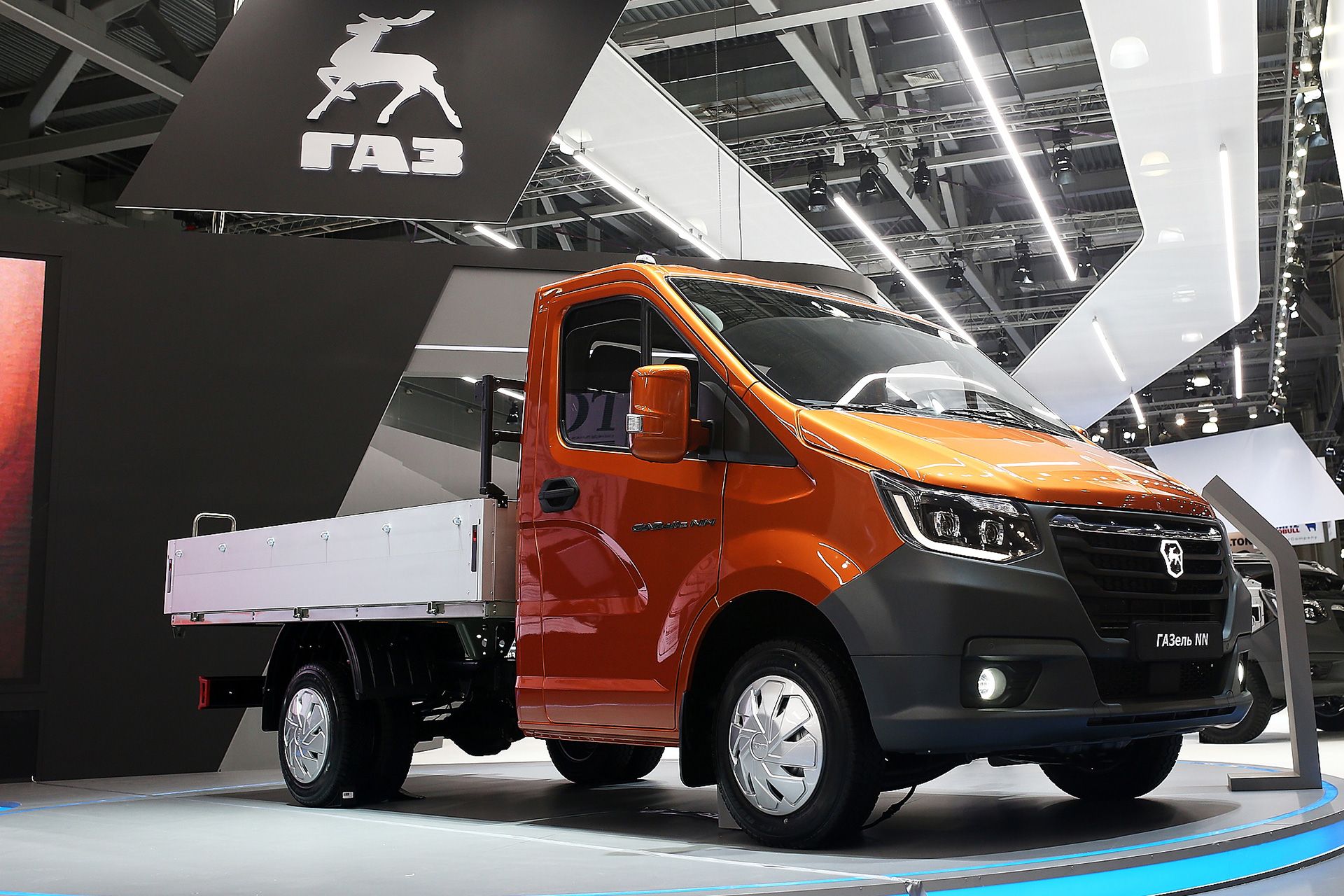
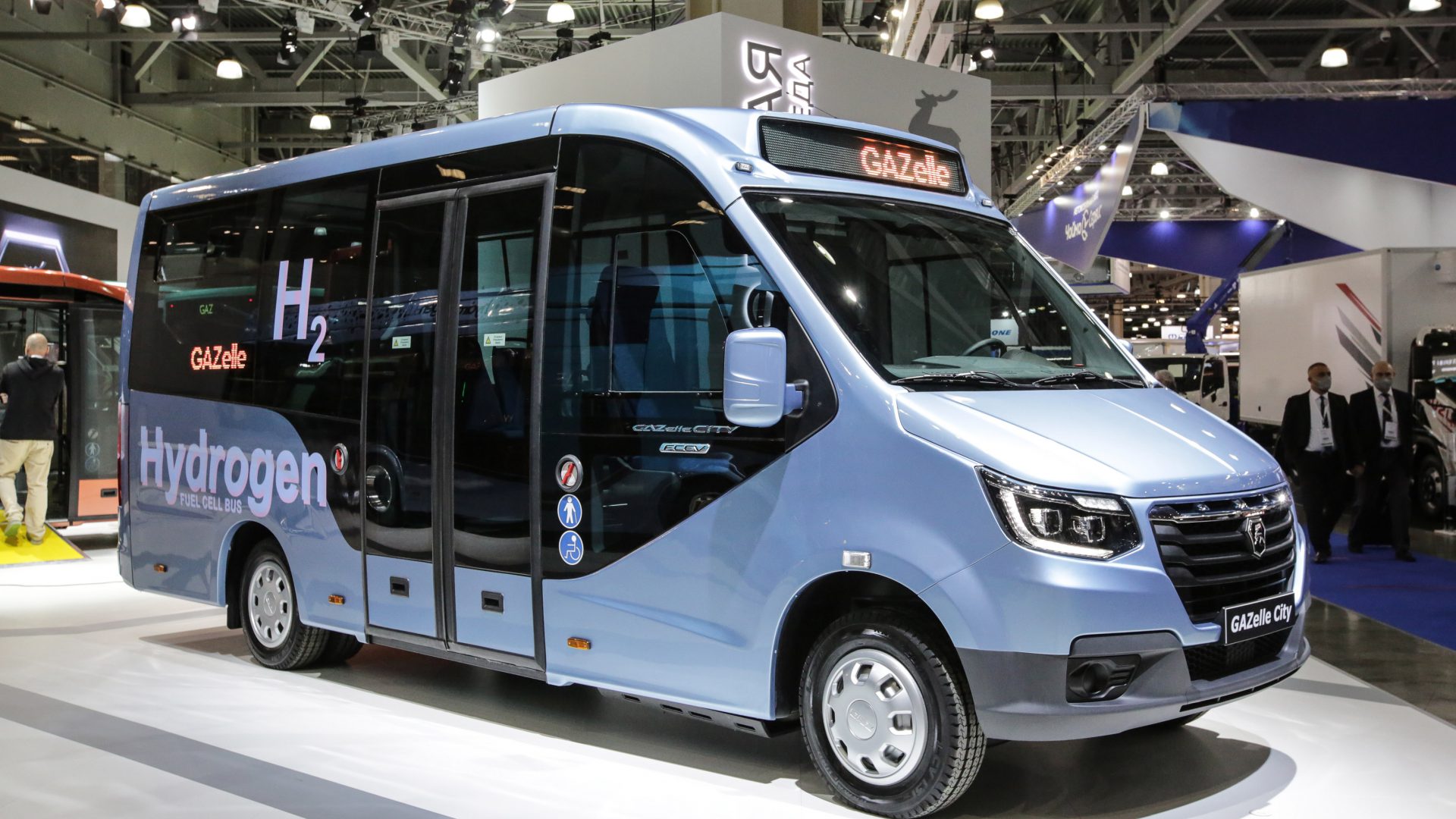
There's a particular irony in watching a company best known for surviving under the weight of international sanctions quietly roll out a diesel-powered light commercial vehicle that has nothing to do with geopolitics and everything to do with the job site. GAZ Group's decision to bring the diesel GAZelle Next to market is, on its face, a product launch. In context, it reads more like a thesis statement about where the company believes its future actually lies.
For years, the narrative surrounding GAZ has been dominated by external forces: the labyrinth of OFAC general licenses, the narrowing of authorized activities, the shadow of bankruptcy coverage in the trade press, and a $348 million lawsuit against Volkswagen following the collapse of their Russian cooperation. Those stories matter, and they aren't going away. But they describe a company reacting to its environment. The diesel GAZelle Next describes a company making a deliberate product decision — one that prioritizes offroad utility, payload durability, and the kind of mechanical simplicity that fleet operators in unforgiving terrain actually pay for.
A Different Kind of Headline
That distinction is worth sitting with. A diesel variant of a commercial van is not a glamorous announcement. It doesn't generate the headlines that a manufacturing hub in Phnom Penh does, and it certainly doesn't carry the urgency of a sanctions blog update. Yet it may be the more revealing signal.
The GAZelle Next platform has long been the backbone of Russian light commercial logistics — a vehicle that earns its reputation in mud, snow, and half-finished industrial roads rather than on a spec sheet. Adding a diesel powertrain to that equation is an appeal to buyers who measure a vehicle's worth in torque delivery and fuel tolerance, not in showroom aesthetics.
Capability Over Reach
This is where GAZ's strategy becomes legible. While the company explores local assembly opportunities in Cambodia and positions the GAZelle NEXT for markets like Serbia, the diesel variant anchors the product line in something more durable than a single export agreement. The Serbia introductions and the Cambodian investment talks are expansions of reach. The diesel GAZelle Next is an expansion of capability. One depends on the goodwill of foreign partners and the shifting terrain of trade policy. The other depends on whether a contractor in a cold, remote region can get the job done.
Beyond the Sanctions Story
The sanctions context is not incidental, but it is also not the whole story. Coverage of GAZ's legal and financial pressures tends to frame the company as a case study in endurance — a firm threading needles through OFAC license revisions while managing labor shortages and the broader turbulence of Russia's auto sector. That framing is accurate as far as it goes, but it risks missing what GAZ is actually building.
A manufacturer that expects to survive purely on legal maneuvering does not invest in a diesel drivetrain for a utility van. It invests in lobbying and restructuring. A manufacturer that invests in a diesel drivetrain is betting that someone, somewhere, still needs to move cargo across difficult ground — and will pay for the privilege.
The Workhorse Segment
That bet is not naive. The global market for rugged light commercial vehicles is real, and it is underserved by manufacturers chasing electrification and urban delivery efficiency. The GAZelle Next diesel sits in a different category entirely: the workhorse segment where buyers care about serviceability, parts availability, and whether the vehicle starts on a cold morning. GAZ has decades of institutional knowledge in exactly that segment. Leveraging it is not a retreat from the sanctions narrative — it is a reminder that the sanctions narrative was never the only thing the company had going on.
Whether this strategy succeeds depends on factors GAZ cannot fully control: export logistics, partner relationships, and the willingness of foreign markets to engage with a Russian manufacturer under current conditions. But the diesel GAZelle Next is a statement of intent regardless. It says that GAZ Group intends to compete on the merits of its engineering, not merely on its ability to navigate a hostile regulatory environment. In a sector where survival stories often eclipse product stories, that is a distinction worth noticing.