The plug-in hybrid ute segment was supposed to be a one-horse race. When BYD launched the Shark 6, it arrived with the full weight of a global electrification juggernaut behind it, and most pundits assumed the established order would simply rearrange itself around the newcomer. What few anticipated was that a commercial-vehicle specialist from Beijing — a company better known for hauling freight than for winning lifestyle buyers — would quietly outsell it.
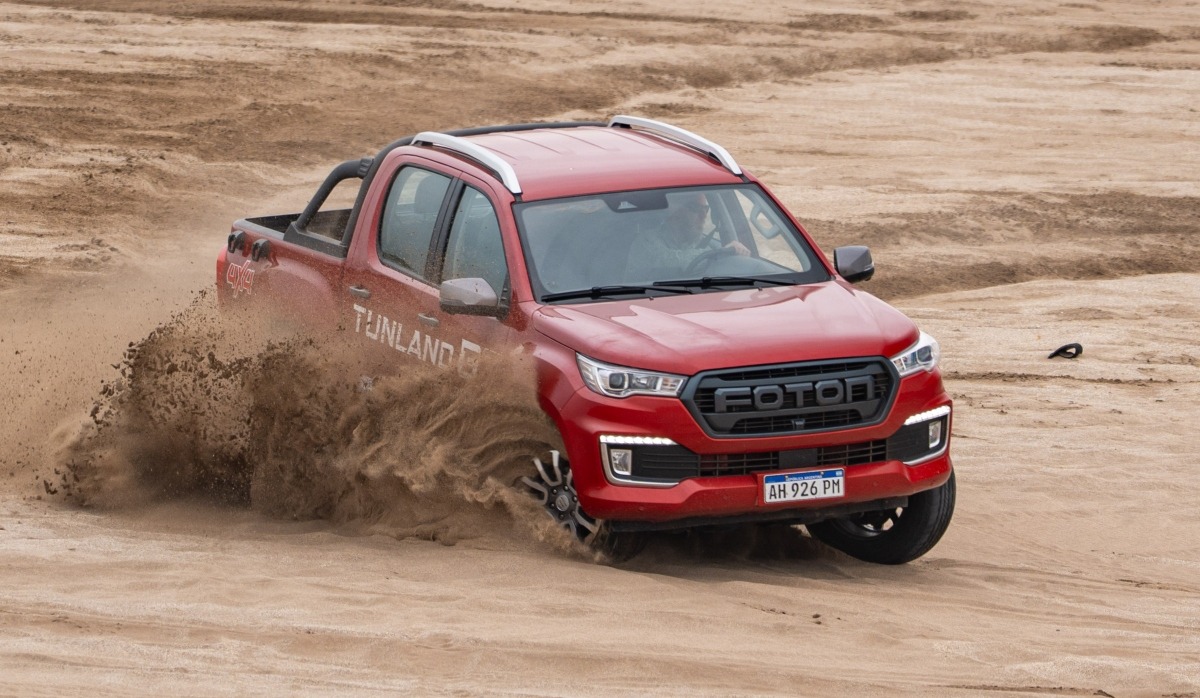
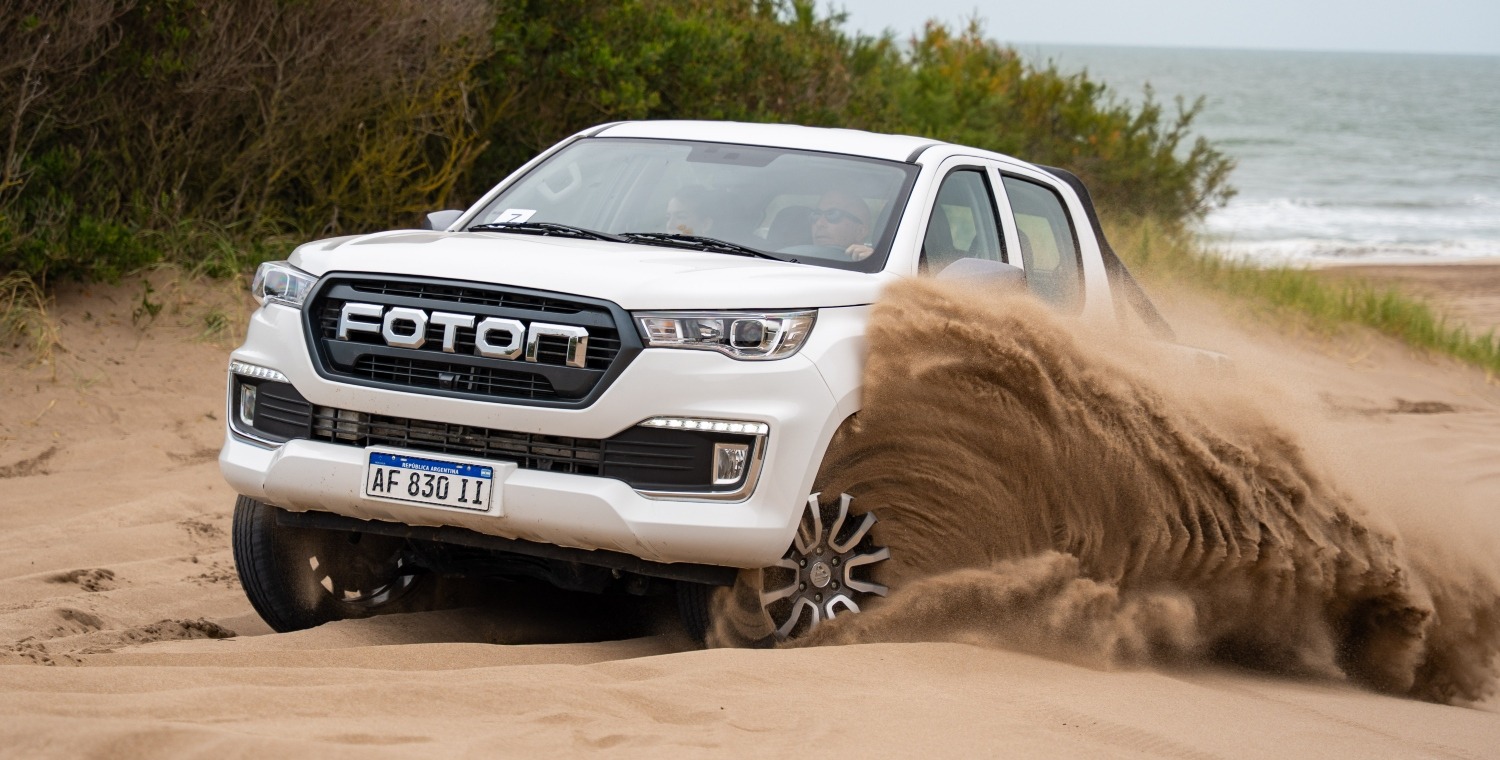
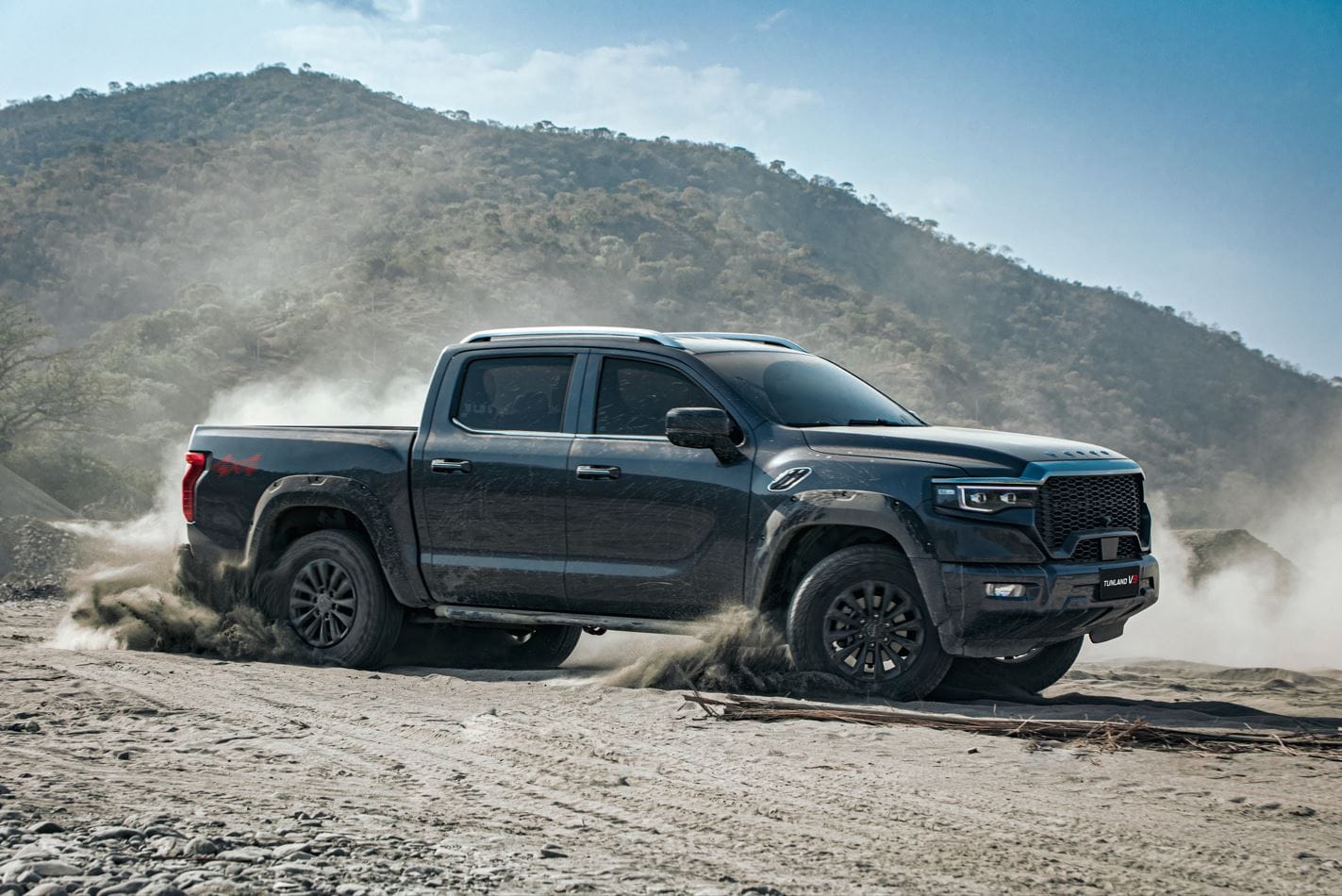
Yet that is precisely what Foton has achieved with the Tunland PHEV, a machine that pairs 800Nm of torque with 3.5-tonne towing and a genuinely rugged off-road chassis, and which is now moving metal at a rate that has forced the entire segment to recalibrate.
Torque as a Statement of Intent
The numbers tell the story before the marketing does. Where the Shark 6 leans on its passenger-car-derived platform and a car-like driving experience, the Tunland PHEV leans on torque. That 800Nm figure is not a vanity statistic; it is the kind of twist usually reserved for diesel V8s, and it arrives instantly, courtesy of the hybrid system's electric motor.
For buyers who actually use a ute as a ute — towing caravans, hauling trailers, crawling up fire trails — that low-down shove matters more than a tenth of a second saved at the traffic lights. Foton understood something its rival underestimated: the ute buyer's loyalty is earned in the dirt, not in the showroom.
Building a Global Machine Behind the Metal
There is a broader context here that makes the Tunland PHEV's success less of an aberration and more of an inevitability. Foton has spent the past several years systematically expanding its global footprint, and the headlines from Europe confirm the scale of that ambition. At IAA Transportation in Hannover, BAIC Foton presented its full commercial vehicle portfolio, set out a European strategy, and unveiled the "Cavan Beacon" freight truck, all while advancing what the company describes as a new model for the global expansion of China's commercial vehicle value chain.
This is not a brand dabbling in exports; it is a manufacturer building infrastructure, logistics and dealer networks at scale, including an ocean freight joint venture with COSCO Shipping and the delivery of its 13-millionth vehicle to Europe. The Tunland PHEV benefits directly from that machine.
Commercial-Vehicle DNA in a Lifestyle Segment
That commercial-vehicle DNA is precisely what separates the Tunland PHEV from the Shark 6 in the minds of buyers. Foton's engineering culture was forged on durability, payload and duty cycles measured in hundreds of thousands of kilometres, not on cabin ambience and smartphone integration.
The result is a plug-in hybrid ute that feels over-engineered for the school run — a compliment, in this context. Its ladder-frame foundations and heavy-duty towing capability signal that the electrified drivetrain has been integrated to serve the vehicle's working purpose, rather than the vehicle being designed around the drivetrain. When Ford's Ranger PHEV finally arrives, it will find a segment in which Foton has already staked out the torque-and-toughness territory.
The Segment Has Been Forced to Recalibrate
None of this means the Shark 6 is a poor vehicle; it is an accomplished one, and its sales remain substantial. But the assumption that the first credible plug-in ute would automatically become the dominant one has proven false.
Foton's broader corporate momentum — a "15th Five-Year" strategy targeting one million sales by 2030, a growing electric and hydrogen heavy-truck presence in Europe, and a product offensive spanning continents — suggests the Tunland PHEV is not a lucky strike but the leading edge of something considerably larger. The ute that outsells the Shark 6 is, in other words, the ute backed by a company that has been quietly building the capacity to outsell everyone.