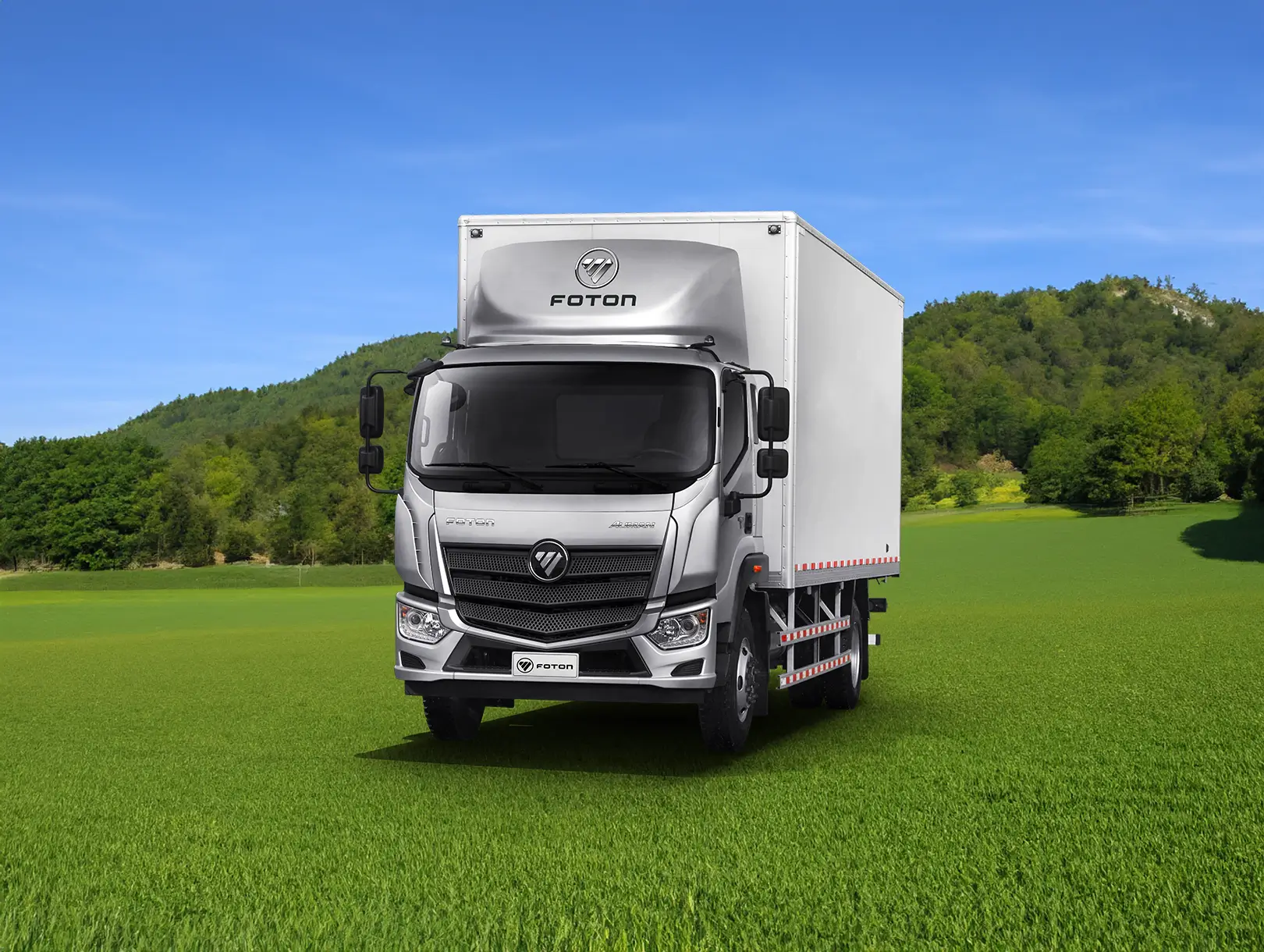
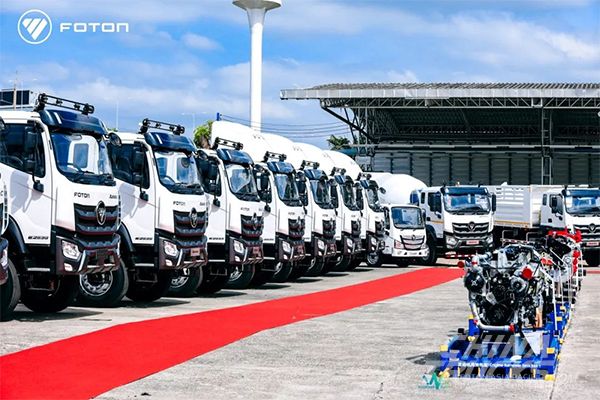
Some numbers are just numbers. Then there are the ones that land like a handshake across a negotiating table. Foton's 13-millionth vehicle is the second kind — and the fact that it was handed to a customer in Europe, not in Beijing or Weifang, tells you everything about where this story is heading. The world's largest commercial vehicle market has spent two decades stacking up volume at home. Now it's buying legitimacy abroad, and the 13-millionth key was placed deliberately in a European hand.
That figure deserves a closer look. Thirteen million vehicles isn't the product of a single niche or a government fleet contract. It's pickups, light trucks, heavy haulers, vans, and a growing stack of battery-electric and hydrogen platforms — a portfolio breadth few global competitors can match. Foton didn't get here by winning one segment. It got here by fighting in all of them. That's why the delivery matters beyond the press release: scale, once achieved, becomes its own form of credibility — especially in markets where durability and service networks count for more than badge prestige.
Europe Is the Proving Ground
At IAA Transportation in Hannover, Foton rolled out its full commercial vehicle portfolio, and industry observers read the display less as a product launch and more as a declaration of intent. The Cavan Beacon, making its global debut at the show, signals that Foton is no longer content to ship existing platforms into new markets. It's designing for them now. Battery-electric and hydrogen heavy trucks, shown under the same roof, put Foton in direct conversation with European decarbonisation mandates that domestic rivals have been slower to answer with production-ready hardware.
The Machinery Behind the Push
Product alone doesn't explain the trajectory. Foton's quieter moves behind the scenes reveal a more sophisticated playbook. The joint venture with COSCO Shipping for ocean freight tackles the single most persistent bottleneck for Chinese vehicle exports: logistics. When a manufacturer starts controlling its own shipping capacity, it's no longer merely exporting — it's industrialising its export capability. Add the unveiling of Australia's first flagship Foton commercial vehicle centre, and the outlines of a genuinely global distribution architecture come into focus.
Where the Road Ends
The offroad dimension sharpens the argument. Foton's pickup lineage — most visibly the Tunland range — has earned its reputation in markets where roads end and terrain begins. The upcoming UK launch of the Tunland V9 carries that reputation into one of Europe's most brand-conscious pickup markets, where buyers are notoriously sceptical of newcomers and equally unforgiving of weakness. To sell a Chinese offroad-capable pickup in Britain is to invite comparison with established Japanese and European rivals. Foton appears to be inviting that comparison deliberately.
What the 13-millionth vehicle ultimately proves is not that Foton can build at volume — that was settled years ago. It proves that volume has matured into strategy. The company is now synchronising product development, logistics, distribution, and electrification into a single coherent global push, with Europe as both the hardest test and the most valuable prize. Chinese offroad dominance, so often discussed in the context of domestic scale, is being redefined here as something more durable: the ability to deliver a vehicle to a European customer and have that customer believe it was built for them. Foton's 13-millionth delivery is not the end of a count. It is the beginning of an argument.