Foton has spent two years arguing that it belongs in Europe, and at IAA Transportation in Hannover it made that argument in the most literal way available to a manufacturer: by putting the whole portfolio on the stand. The CAVAN BEACON heavy truck took its global bow. Battery-electric and hydrogen commercial vehicles were aimed squarely at European fleet operators. The headlines duly followed the big rigs, the 1,000-kilometre hydrogen truck, the systematic global expansion blueprint.
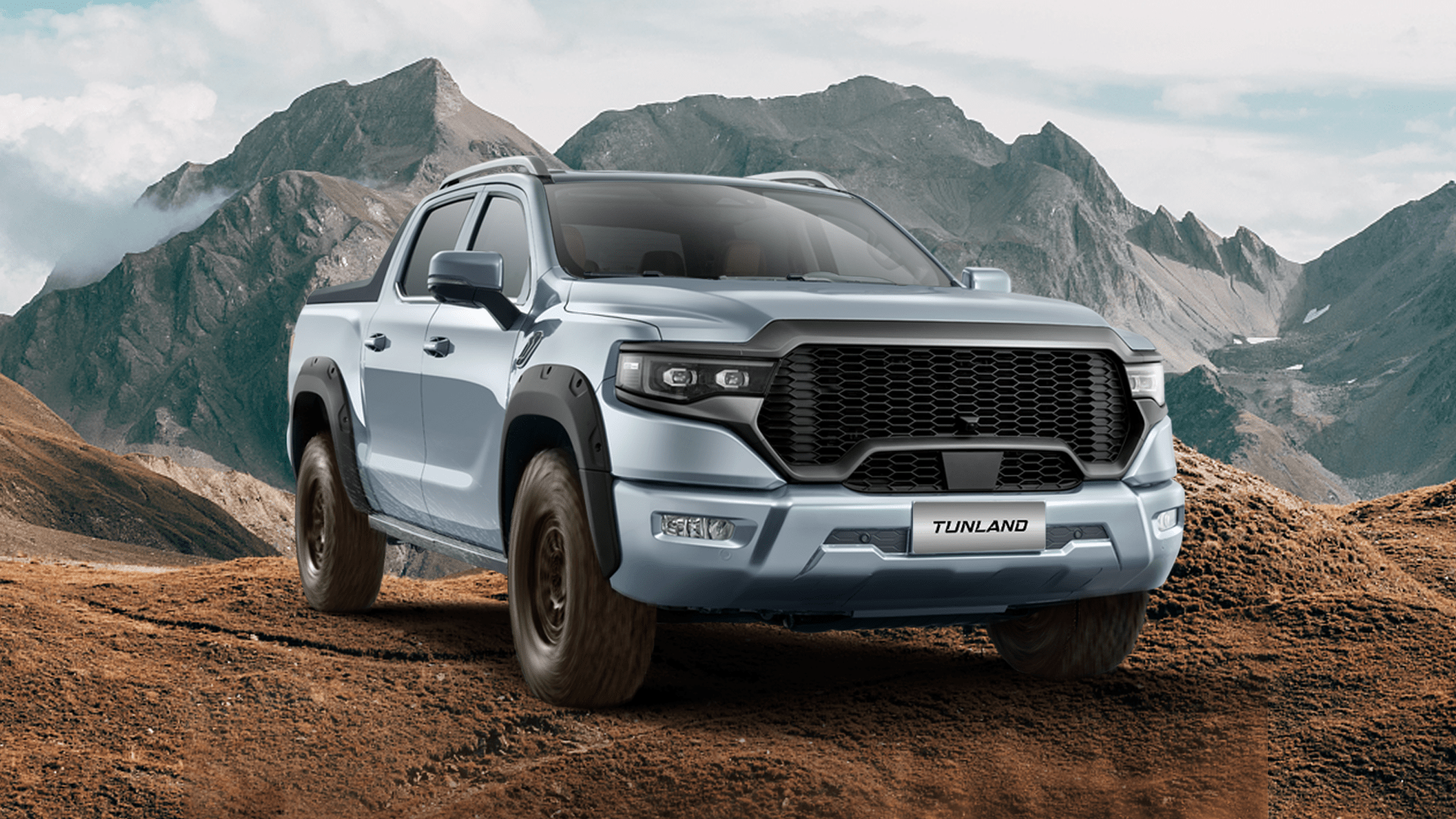
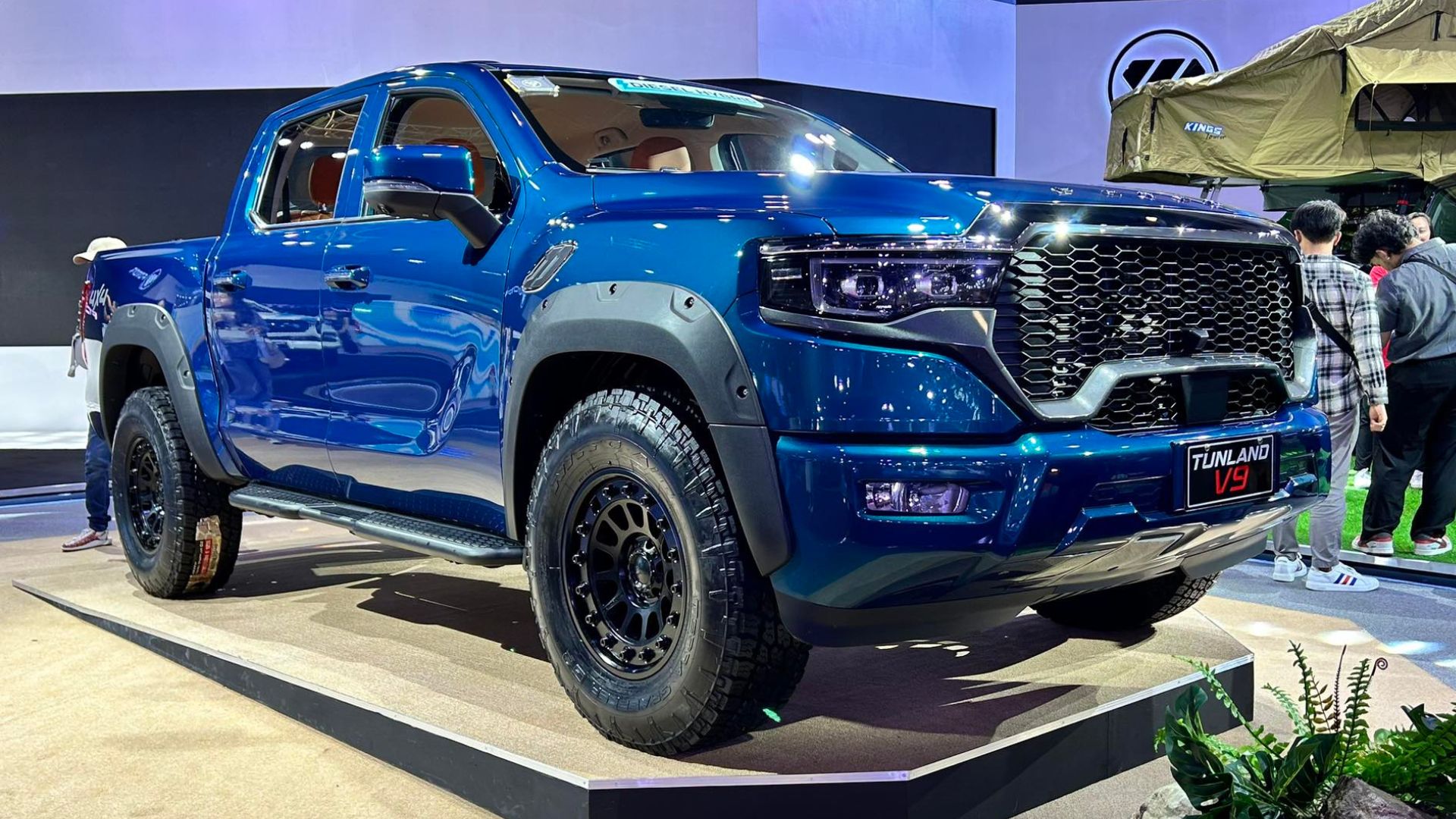
But for a certain kind of European buyer—the one who needs a truck bed, a tow hitch, and the ability to leave the tarmac without packing a diesel jerrycan—the most consequential machine Foton brought to the continent is the Tunland V9 PHEV.
The Contradiction of the European Pickup
The case for a plug-in hybrid pickup in Europe is not obvious on paper. The pickup market here is niche. Emissions rules are openly hostile to large combustion vehicles. And the segment's traditional players have spent decades earning a loyalty that a relative newcomer cannot simply buy.
Yet the Tunland V9 PHEV arrives at the moment when the contradictions of the European pickup are at their sharpest. Buyers who genuinely need off-road capability, payload and towing capacity are being pushed toward electrification by regulation and by fuel costs—but a pure-electric pickup remains a compromise in the very places where pickups earn their keep. A plug-in hybrid sidesteps that trap. Electric power covers the daily commute and the urban errand, cutting fuel consumption and emissions where regulators are watching. The combustion engine stays on board for the long haul, the remote trailhead, and the towing job that would drain a battery in half the distance.
Why This Proposition Fits Europe
That dual identity is the Tunland V9 PHEV's entire proposition, and it is a sharper proposition in Europe than almost anywhere else. European off-road use is rarely the American kind—wide-open desert and endless forest service roads. It is tighter, steeper, wetter and more heavily regulated. Green lanes in the UK, alpine passes, Nordic forest tracks and Mediterranean mountain routes demand low-speed torque, traction and range confidence rather than outright size.
A plug-in hybrid pickup that can crawl on electric torque, then fire its engine for the climb home, fits that landscape more naturally than either a pure diesel or a pure EV. Foton's decision to bring the Tunland V9 PHEV into a European strategy that also includes hydrogen heavy trucks and battery-electric commercial vehicles suggests the company understands the continent as a patchwork of use cases rather than a single market.
The Hard Half of the Equation
What remains to be proven is the harder, less glamorous half of the pickup equation: durability, dealer support, parts availability, and the resale confidence European buyers expect before they commit to a new badge. Foton's Hannover showing demonstrated ambition and product breadth, and the news that the company is restructuring assets and positioning itself within the broader BAIC ecosystem signals a long-term play rather than an opportunistic export push.
But ambition on a show stand is not the same as a warranty network in the Alps. The Tunland V9 PHEV will be judged not by its specification sheet but by whether it starts on a cold morning in the Pyrenees, whether a farmer in Wales can get a replacement part inside a week, and whether the plug-in hybrid system delivers real-world efficiency rather than laboratory numbers.
From Novelty to Consideration
If Foton gets those fundamentals right, the Tunland V9 PHEV could do something no Chinese pickup has yet managed in Europe: move beyond novelty and into genuine consideration. That is a taller order than any launch event, and it will be settled in farmyards, trailheads and service bays rather than on a show floor.
The plug-in hybrid pickup is not a compromise forced on off-road buyers. Handled properly, it is the most rational answer to what European off-road driving actually demands—and Foton, for all its newcomer status, may have arrived at exactly the right moment to prove it.