Ford’s third-quarter U.S. sales slipped year over year, and the headlines shrugged it off as ordinary turbulence. It isn’t. As Reuters reported, the decline landed “amid model phase-outs” — the quiet bookkeeping consequence of a decision Ford made years ago and is only now paying for in full. The Blue Oval walked away from the sedan business almost entirely, and the tab for that walkout runs to roughly 150,000 sales a year, per The Drive’s reckoning of what Ford surrendered to bankroll its new budget EV. That isn’t a rounding error. That’s a mid-sized brand’s entire annual volume, vaporized on purpose.
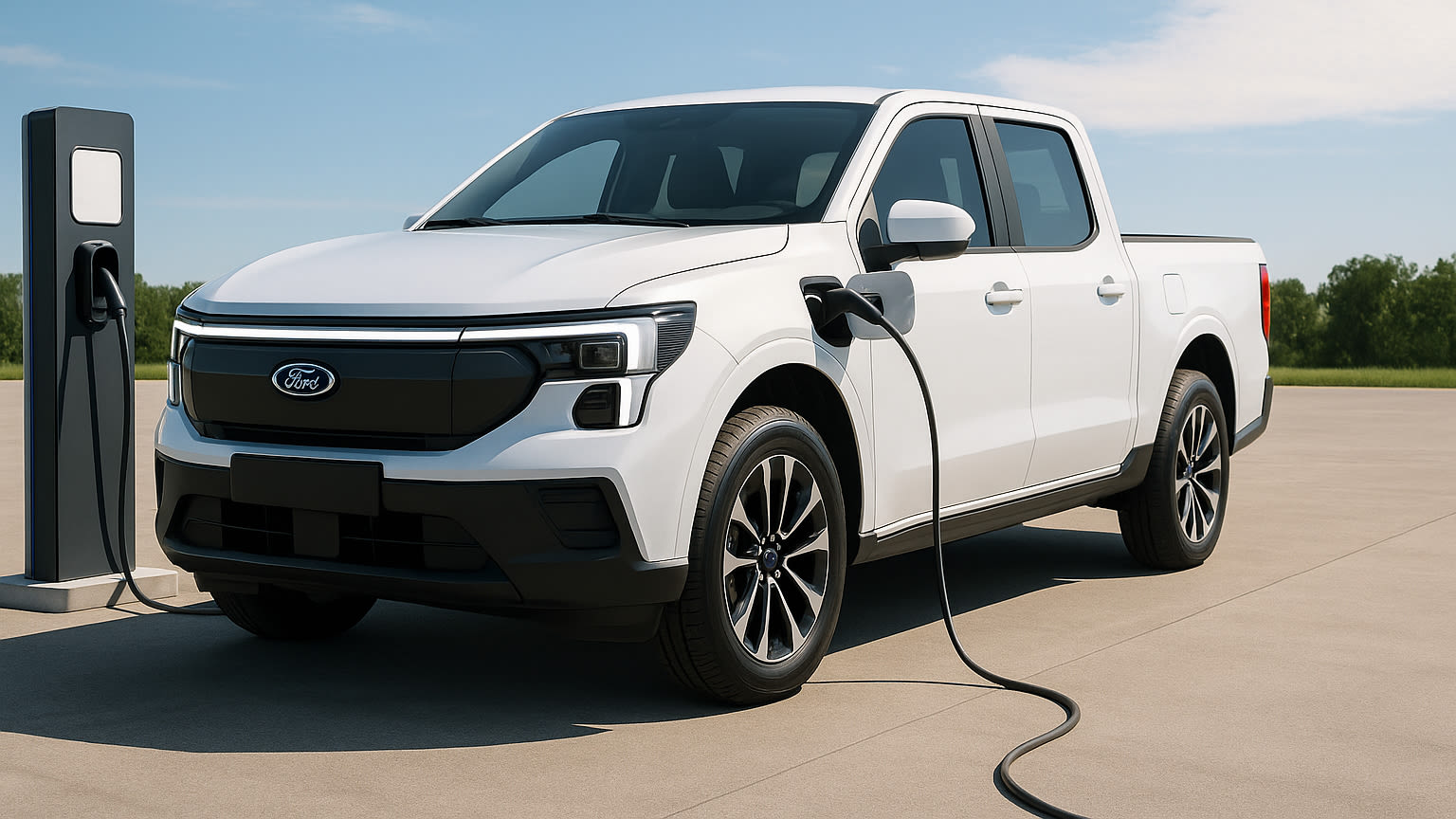
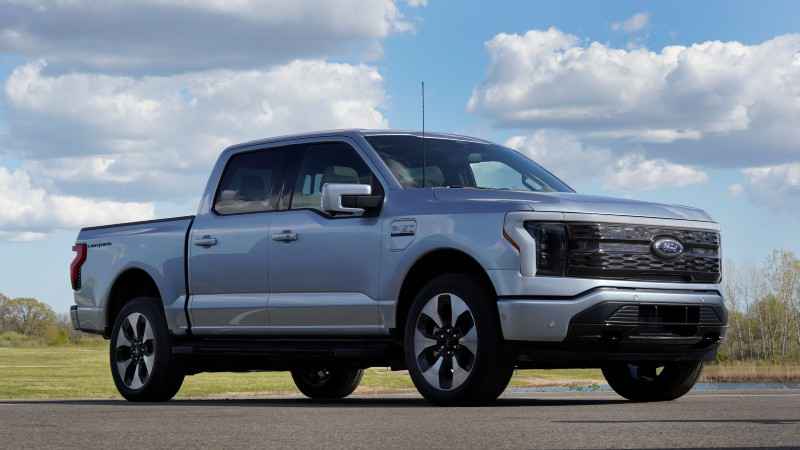
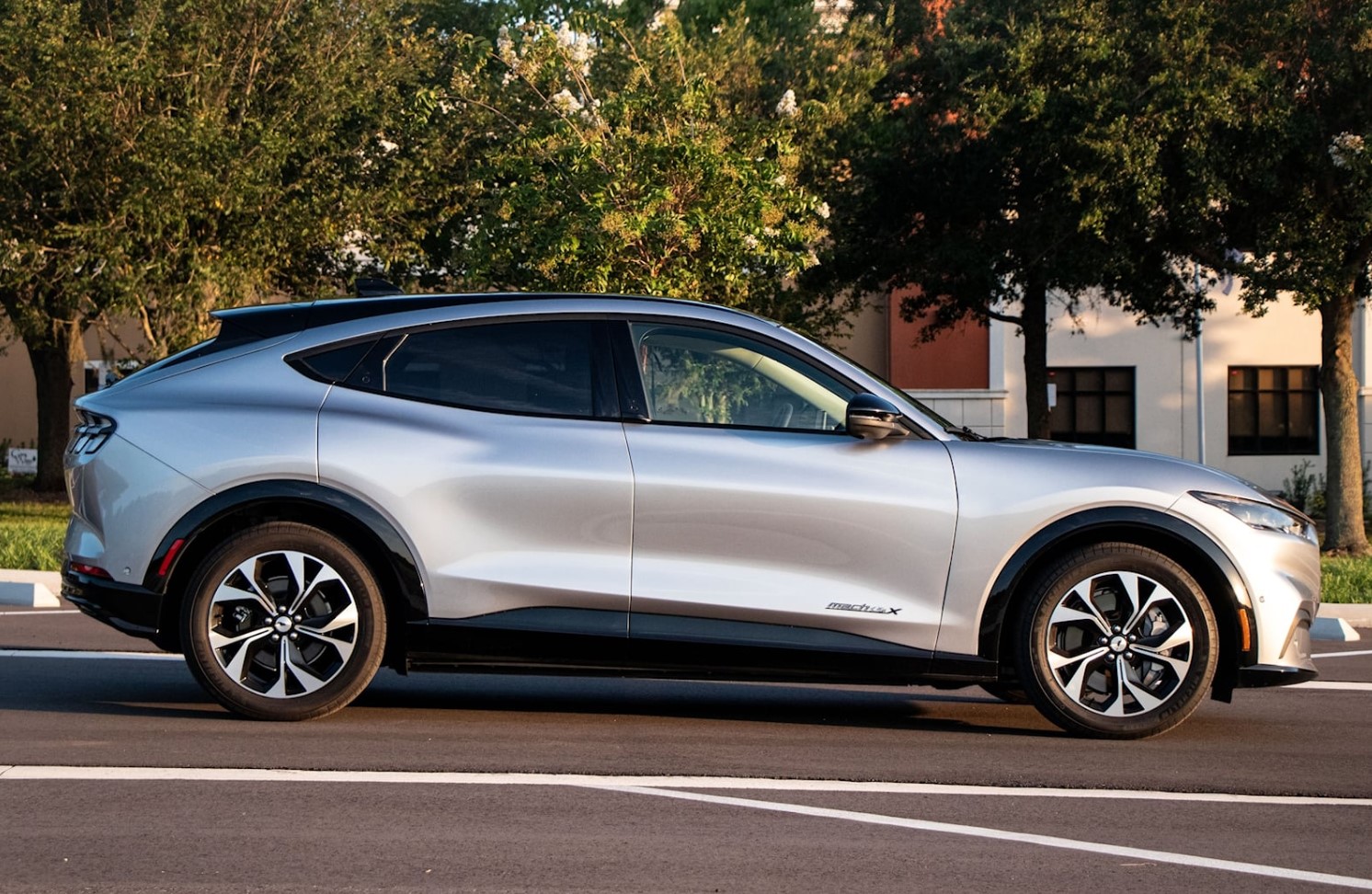
The logic was defensible at the time, even bracing. Sedans were margin-thin, the market had tilted hard toward crossovers, and Ford’s Fusion and Taurus were scrapping for leftovers in a segment where Toyota and Honda had already won the war of attrition. Jim Farley’s Ford chose to stop the bleeding and point every available dollar at electrification and trucks. The Mustang Mach-E, the F-150 Lightning, and now a forthcoming affordable EV platform became the beneficiaries of that redirected capital. Ford didn’t stumble out of sedans. It sprinted.
The Math of the Sprint
That sprint carries an unforgiving arithmetic. Ford still holds the No. 3 U.S. sales position, fending off a surging Hyundai in the third quarter, as CNBC noted — yet the margin is thinner than the ranking suggests. Hyundai never abandoned cars. It kept building Elantras and Sonatas while Ford cleared showroom space, and it is now eating the lunch Ford left on the table. Every phased-out nameplate is a customer who had to buy something, and increasingly, they bought Korean.
The EV Gamble Hasn’t Cashed
Meanwhile, the electric bet hasn’t paid out. The Lightning has cooled since its hyped launch. The Mach-E competes in a segment growing more crowded and less profitable by the quarter. Ford’s answer is the budget EV platform — the very project The Drive identifies as the beneficiary of those 150,000 sacrificed sales — but that vehicle isn’t here yet. Add the tariff environment, battery costs, and a softening consumer appetite for EVs, and its business case looks far less certain than it did when the sedans were shown the door. Ford wagered the present to win the future, and the future is running late.
The Costs That Don’t Show Up in a Chart
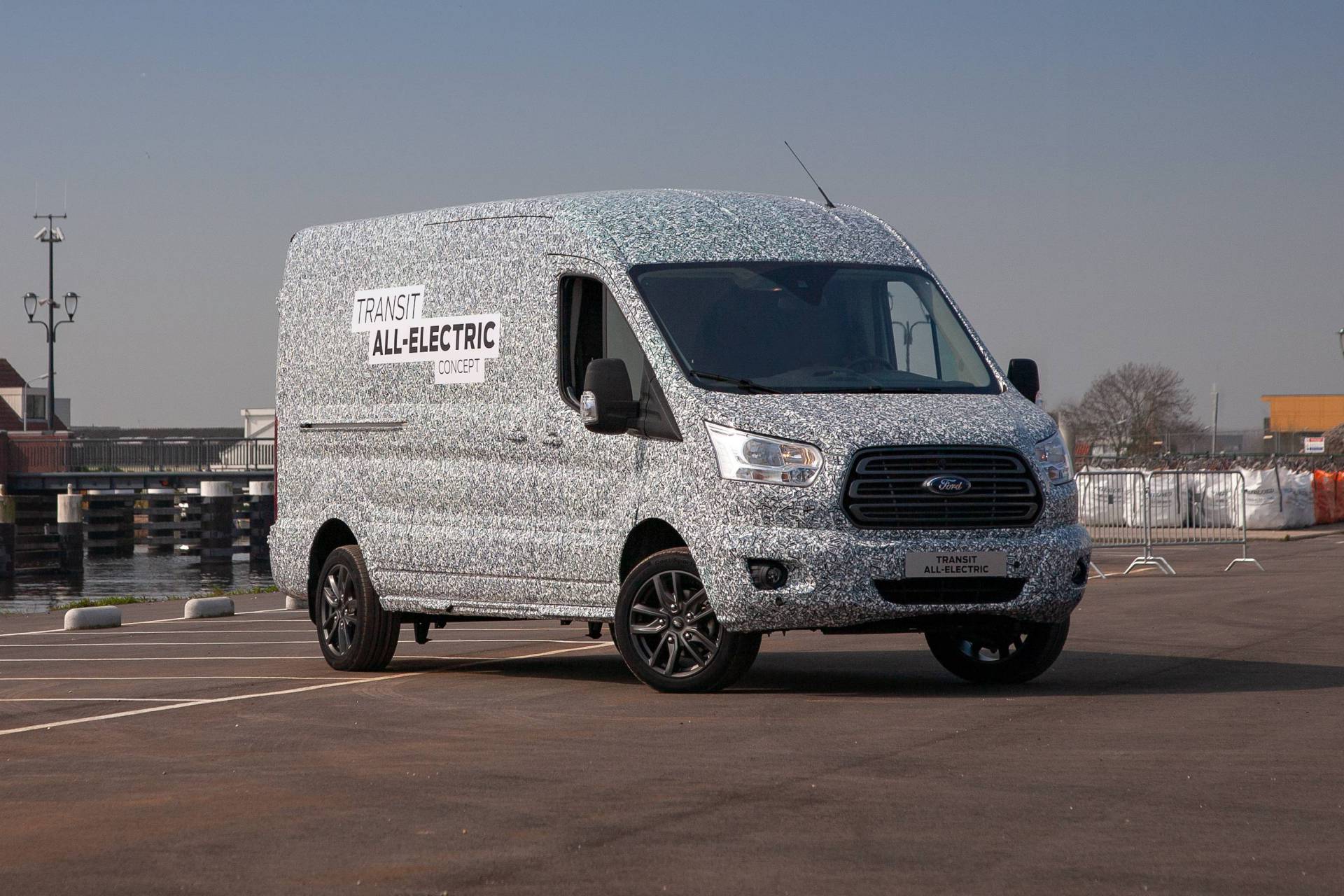
There are other costs invisible on a sales sheet. Ford recalled more than 40,000 trucks and SUVs over a visibility risk — a reminder that the vehicles Ford doubled down on carry their own quality burdens. Farley himself has said the line between engineers and skilled tradespeople is now “completely blurred out,” a candid admission that the workforce Ford needs for this transition looks nothing like the one that built Tauruses in Chicago. And in motorsport, where Ford still spends real money to project strength — the Verstappen-linked F1 program reportedly leaving Mercedes stunned by its sheer speed — the brand is buying relevance it once earned on the showroom floor.
None of this means Ford was wrong. The sedan business genuinely was a losing proposition for Detroit, and clinging to it out of nostalgia would have been its own kind of malpractice. But there’s a difference between a strategic retreat and a rout, and Ford’s third-quarter numbers suggest the company is still working out which one it executed. It gave up 150,000 sales, a dependable slice of its identity, and the loyalty of buyers who wanted a car, not a crossover. In return it bought a head start on an electric future that hasn’t arrived, funded by customers who have already gone elsewhere.
The Fusion is gone. The Fiesta is gone. What remains is a truck-and-SUV company with a Mustang badge for sentiment and an EV moonshot for hope. Ford’s bet may yet pay off spectacularly. But until the budget EV actually lands and actually sells, every quarterly report will read the same way: a company that spent its present to buy a future, still waiting on the delivery.