Walk into a Ford showroom today and you'll notice a particular kind of silence. It sits exactly where a sedan used to be — no Fusion, no Taurus, no Fiesta, just a lineup of tall, blocky things and one low-slung outlier in the Mustang. The Blue Oval has spent the better part of a decade dismantling its passenger-car business in North America, and the showroom tells the story without a word.
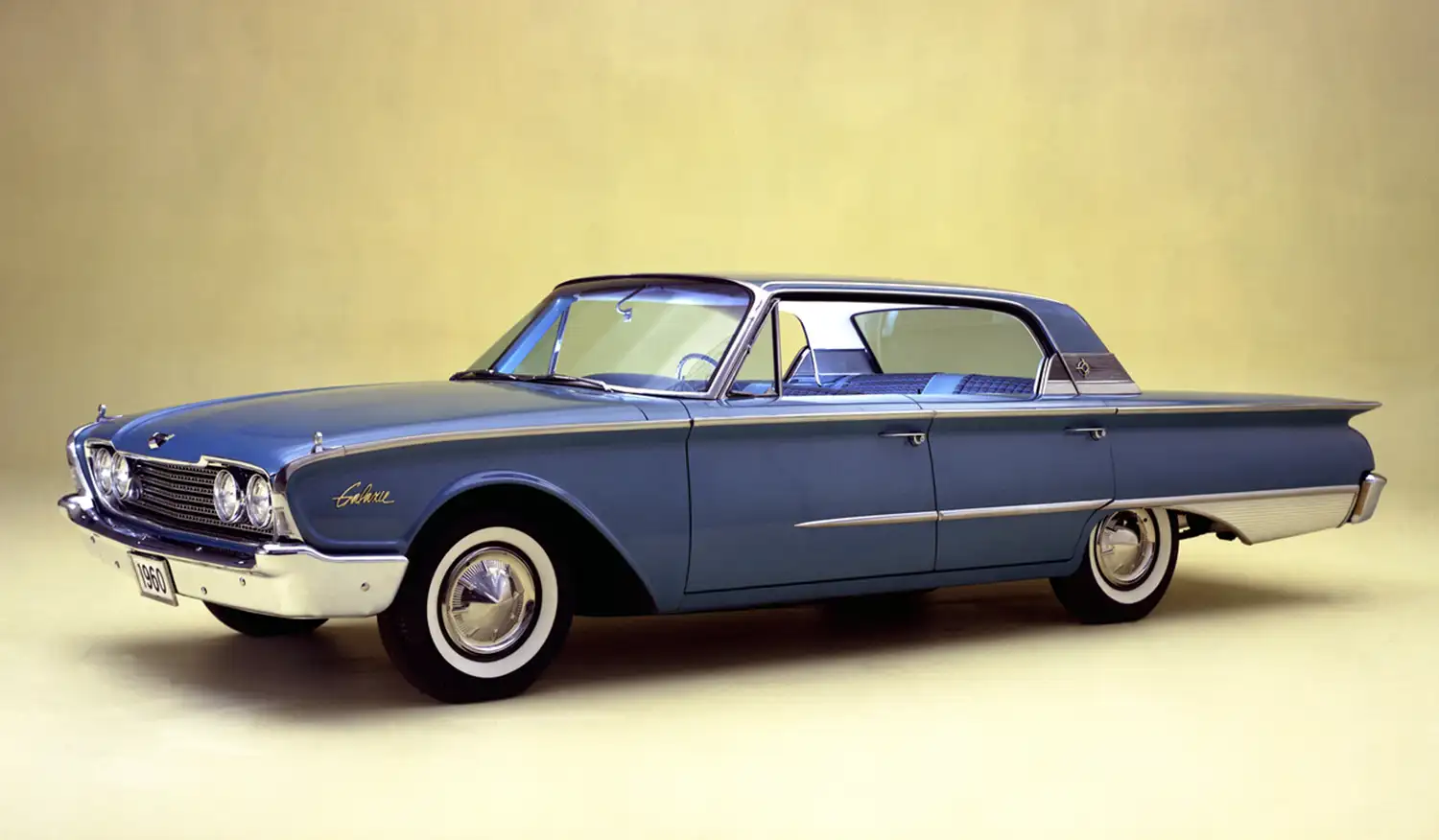
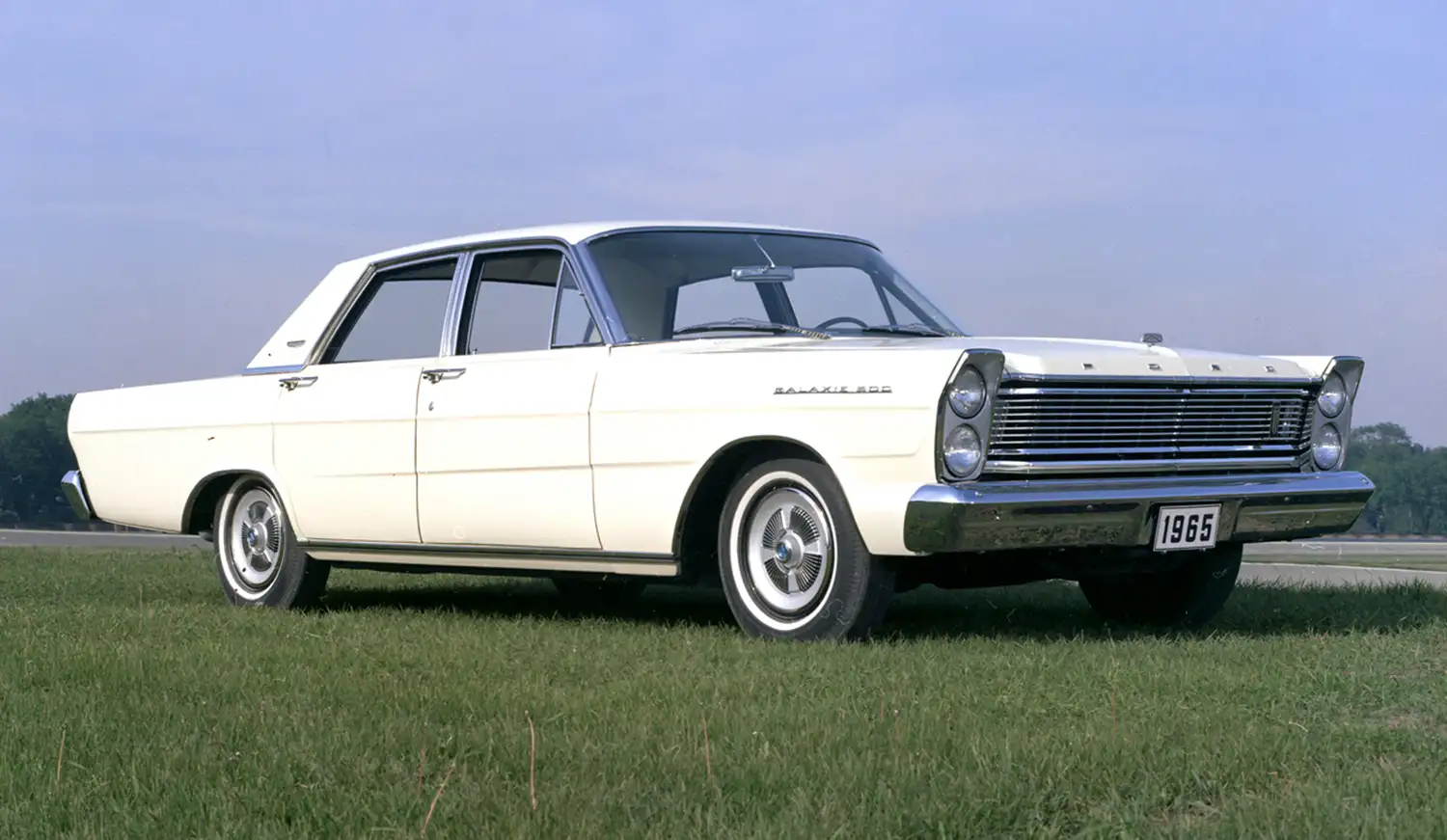
But the ghost that haunts that floor isn't any of the modern nameplates Ford retired. It's the Galaxie — the full-size, chrome-laden, body-on-frame cruiser that once defined what a Ford family car could be. Long, low, and unapologetically American, it was the shape of optimism in steel.
A Week That Says Everything
Look at the news cycle and you'll see Ford's entire identity compressed into a single week. The 2027 Ford F-150 has been revealed with a new base engine, BlueCruise capability extended to towing, and a Carhartt-branded trim that reads like a love letter to American manufacturing. Ford is increasing V-8 availability and cutting prices on the Raptor and Tremor. It is deepening its investment in Kentucky manufacturing.
Every headline points in the same direction: trucks, trucks, and more trucks. The company that once sold a Galaxie 500 Sports Hardtop to a nation of families has become a truck manufacturer that happens to sell a sports car.
That strategy is not irrational. It is, in fact, brutally rational. Margins on the F-150 dwarf anything a midsize sedan could ever deliver, and American buyers voted with their wallets long before Ford pulled the plug. But rationality has a cost, and the cost is cultural.
What the Galaxie Actually Meant
When the 1963½ Galaxie 500 Sports Hardtop shows up as a Pick of the Day, it isn't nostalgia for a slow car with a live axle. It's nostalgia for a Ford that made something beautiful for people who weren't hauling plywood. The Galaxie was aspirational without being exotic, attainable without being disposable. It carried presence — the kind of long-hood, wide-shouldered stance that made a driveway feel like a statement — and it did so for families who simply needed four doors and a trunk.
That combination is harder to engineer than it sounds. A car can be cheap, or it can be desirable, but making one that is both at scale is the trick that built Detroit. The Galaxie pulled it off, and Ford has not replaced it with anything remotely equivalent.
The Warning Signs Are Already Flickering
Ford's six-year streak as North American Truck of the Year has ended — a reminder that even a fortress can be flanked. The 223,000-vehicle recall over a fuel tank issue is the kind of unglamorous engineering stumble that erodes trust quietly. And the stock registering a sharper fall than the broader market suggests investors are asking the same question enthusiasts have been asking for years: what happens to Ford when the truck boom cools?
Here is the uncomfortable truth. A car company without cars is not a car company. It is a truck company with a heritage problem. The Mustang carries the emotional load, but it cannot carry the volume. A single pony car, however good, cannot fill the space once occupied by sedans that sold by the hundreds of thousands.
The Hole Isn't Measured in Units
The Galaxie represented something the current lineup cannot replicate: a Ford that every family could imagine owning — not because it was cheap, but because it was theirs. That is the hole in the showroom. It isn't measured in revenue or payload ratings. It's measured in the absence of a shape — long, low, and unmistakably American — that once made a Ford dealership feel like a place where the future was arriving.
Ford will sell a great many F-150s in 2027, and it should. They are excellent trucks, and the company's commitment to them is genuine. But the ghost of the Galaxie will keep walking those showroom floors, reminding anyone who looks that Ford's greatest asset was never its towing capacity. It was the ability to make a sedan people wanted to be seen in.
Until Ford finds a way to put that feeling back into something with four doors, the hole stays open. And the silence in the showroom stays exactly where it is.