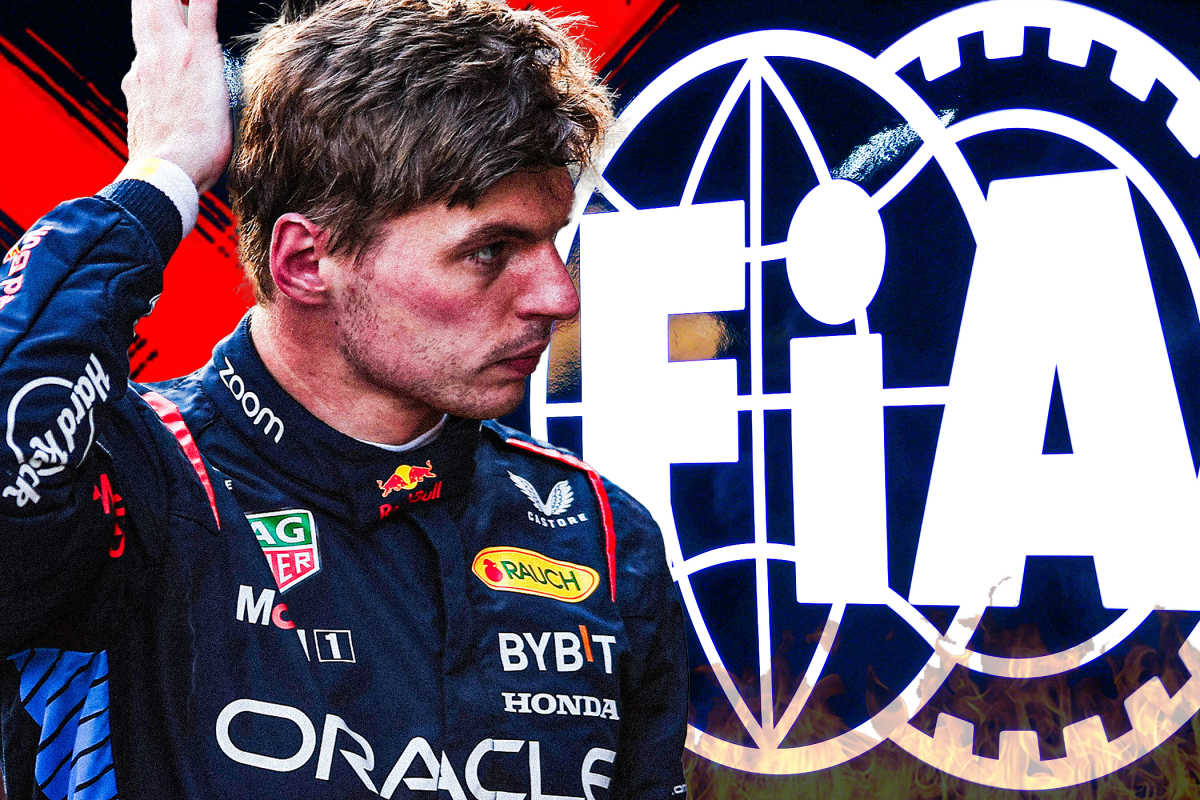
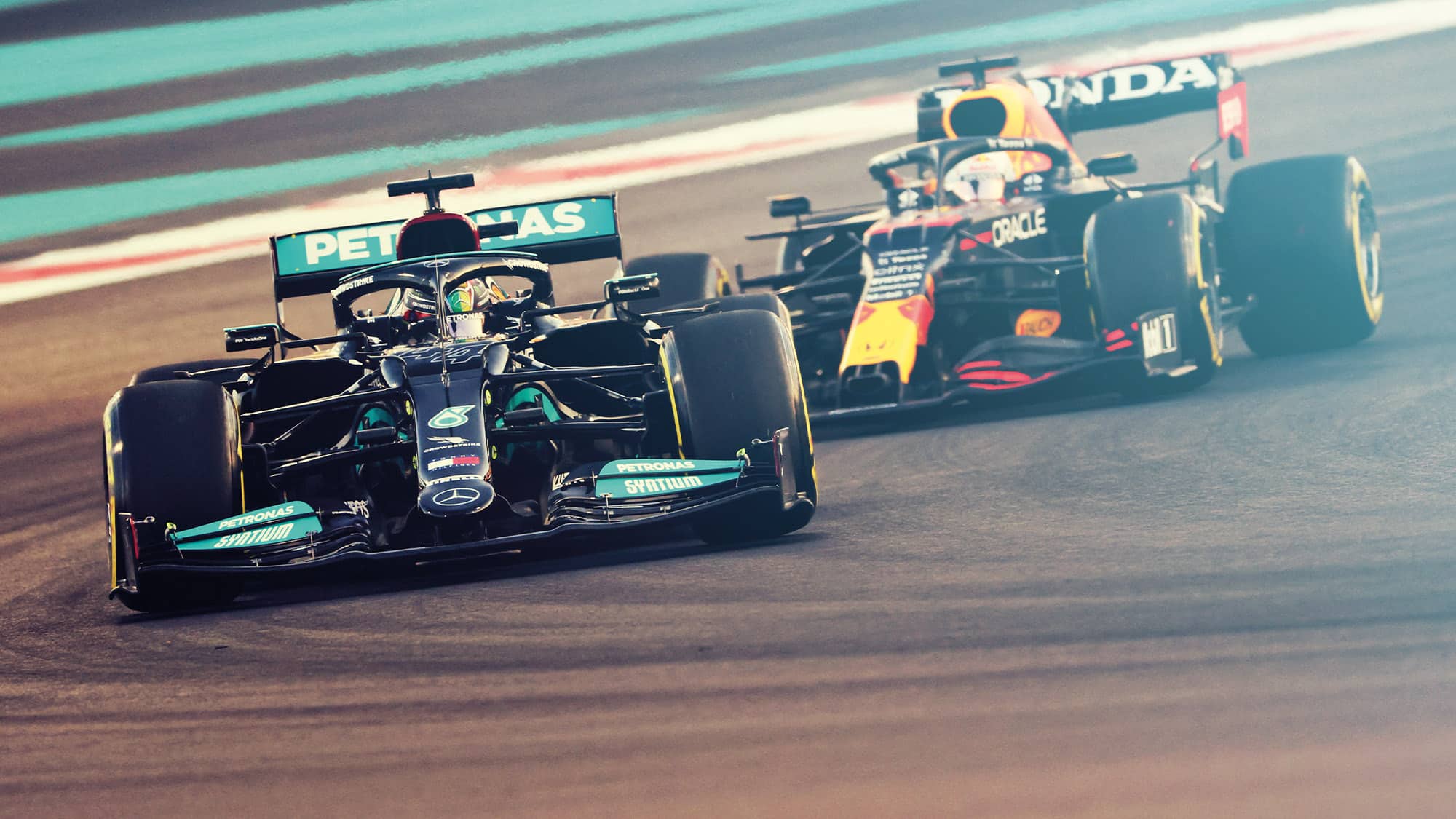
Formula 1 is a sport defined by hyperbole, where a tenth of a second is a chasm and a few horsepower is an existential crisis. So when Max Verstappen, mid-practice at a Grand Prix weekend, radioed his Red Bull engineers to complain that his car had "less power than a Fiat Punto," he wasn't making a nuanced technical observation. He was reaching for the most damning, gut-level insult his Dutch brain could conjure — and in doing so, he inadvertently delivered the most potent piece of brand reinforcement Fiat has received in years. The irony is delicious: the Punto, a model that ended production in 2018 and has largely faded from the new-car conversation, still possesses enough cultural venom to wound a championship-winning Formula 1 machine.
Verstappen's comment, which ricocheted around the motorsport media within minutes, wasn't a compliment. It was a dismissal, a suggestion that his multi-million-pound hybrid power unit felt as lethargic as a humble supermini designed for Italian city streets. But here's the thing about insults: they only land if the target is universally understood. To call something "less powerful than a Fiat Punto" is to assume everyone knows exactly what a Fiat Punto is, what it represents, and why that comparison is so devastatingly funny. In that moment, the Punto transcended its status as a discontinued economy car and became a benchmark of automotive simplicity — a yardstick against which even the most advanced engineering can be measured and found wanting. That is a form of pop-culture power that no marketing budget can buy.
The Honesty of Adequacy
The Punto, particularly the third-generation model that Verstappen would have grown up seeing on European roads, was never about speed. It was about honesty. It was the car you learned to drive in, the rental you picked at the airport, the trusty runabout that swallowed groceries and school runs without complaint. Its engine note was more whir than roar, and its straight-line performance was best described as "adequate." But that adequacy made it iconic. In an automotive landscape increasingly dominated by aggressive styling and four-figure horsepower figures, the Punto's very ordinariness became its superpower. It is the automotive equivalent of a punchline that needs no setup — everyone gets the joke, because everyone has either owned one, ridden in one, or at least been overtaken by one while they were desperately trying to merge onto a motorway.
There is a deeper truth here about automotive legacy. The cars that survive in our collective consciousness are rarely the fastest or the most expensive. They are the ones that embed themselves in the fabric of everyday life, the ones that become shorthand for an entire category of experience. The Punto achieved that status through sheer ubiquity. It was the car that taught a generation that driving could be simple, affordable, and even enjoyable without pretension. When Verstappen reached for a comparison to express his frustration, he didn't mention a rival supercar or a vintage hypercar. He mentioned a Fiat Punto — because deep down, even a world champion knows that the most memorable cars aren't the ones that break records, but the ones that break the mould of what we expect from a machine on four wheels.
A Brand in Transition
What makes Verstappen's outburst so culturally significant is the context in which it occurred. Fiat itself is navigating a turbulent period, with Stellantis recently announcing yet another production halt at the Mirafiori plant that builds the electric 500, citing supply chain shortages. The company is shuffling leadership, appointing Arnaud Belloni as the new CEO for Fiat, Abarth, and Lancia, while the brand pivots toward electrification and a future that looks very different from its utilitarian past. In the midst of this corporate churn, the Punto — a car that Fiat no longer builds and has no plans to revive — suddenly dominated global headlines. The brand didn't need to spend a euro on advertising to remind the world of its heritage; a frustrated Formula 1 driver did it for free.
The Gift of Relevance
The irony is that Verstappen's insult will likely be remembered longer than the lap time it was attached to. While the F1 world moves on to the next controversy, the Punto has been granted a strange kind of immortality. It now exists as a cultural reference point, a touchstone for anyone who wants to describe something as unpretentiously modest. In an era where Fiat is desperately trying to reposition itself as a stylish, electric, modern brand, this accidental nod to its past is a reminder that the company's greatest asset has always been its ability to create cars that people genuinely connect with — not because they are extraordinary, but precisely because they are not. Max Verstappen may have intended to insult the Punto, but he actually gave it the most valuable gift any discontinued car can receive: relevance.