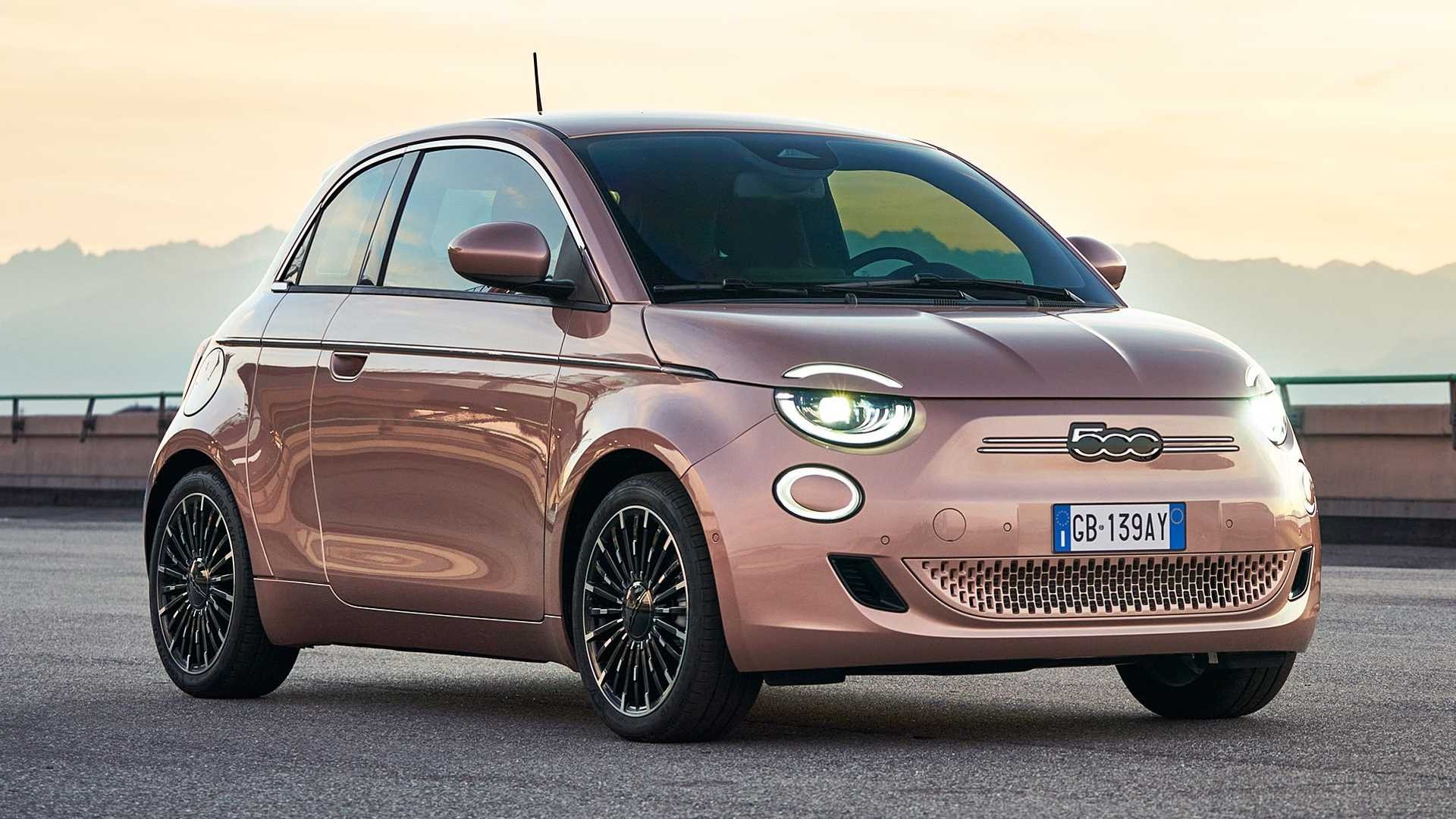
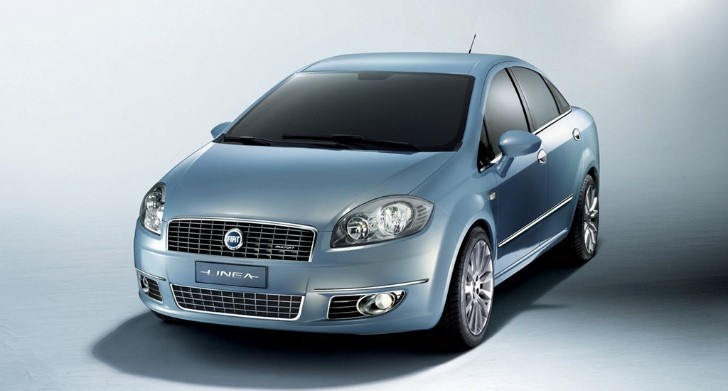
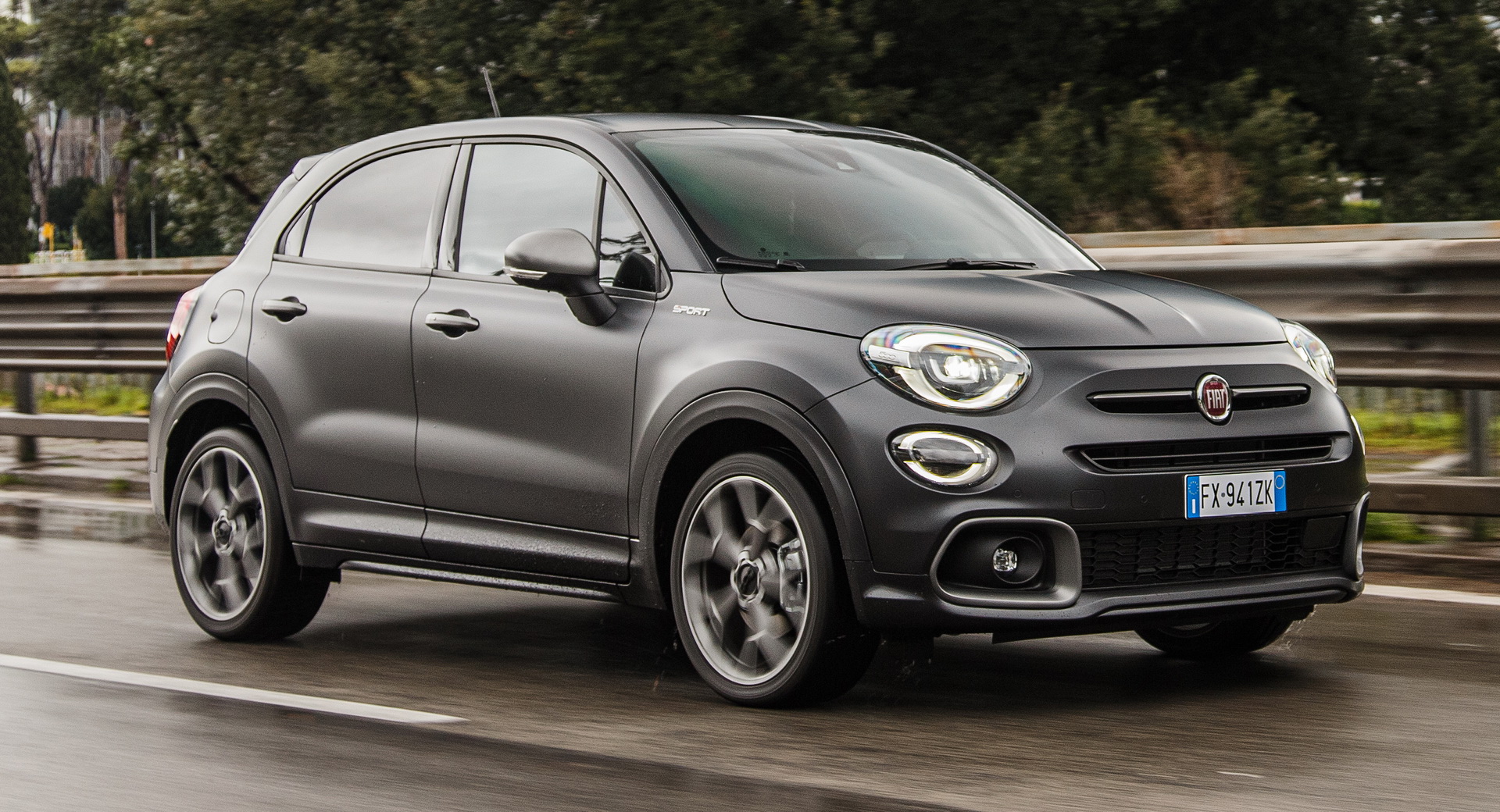
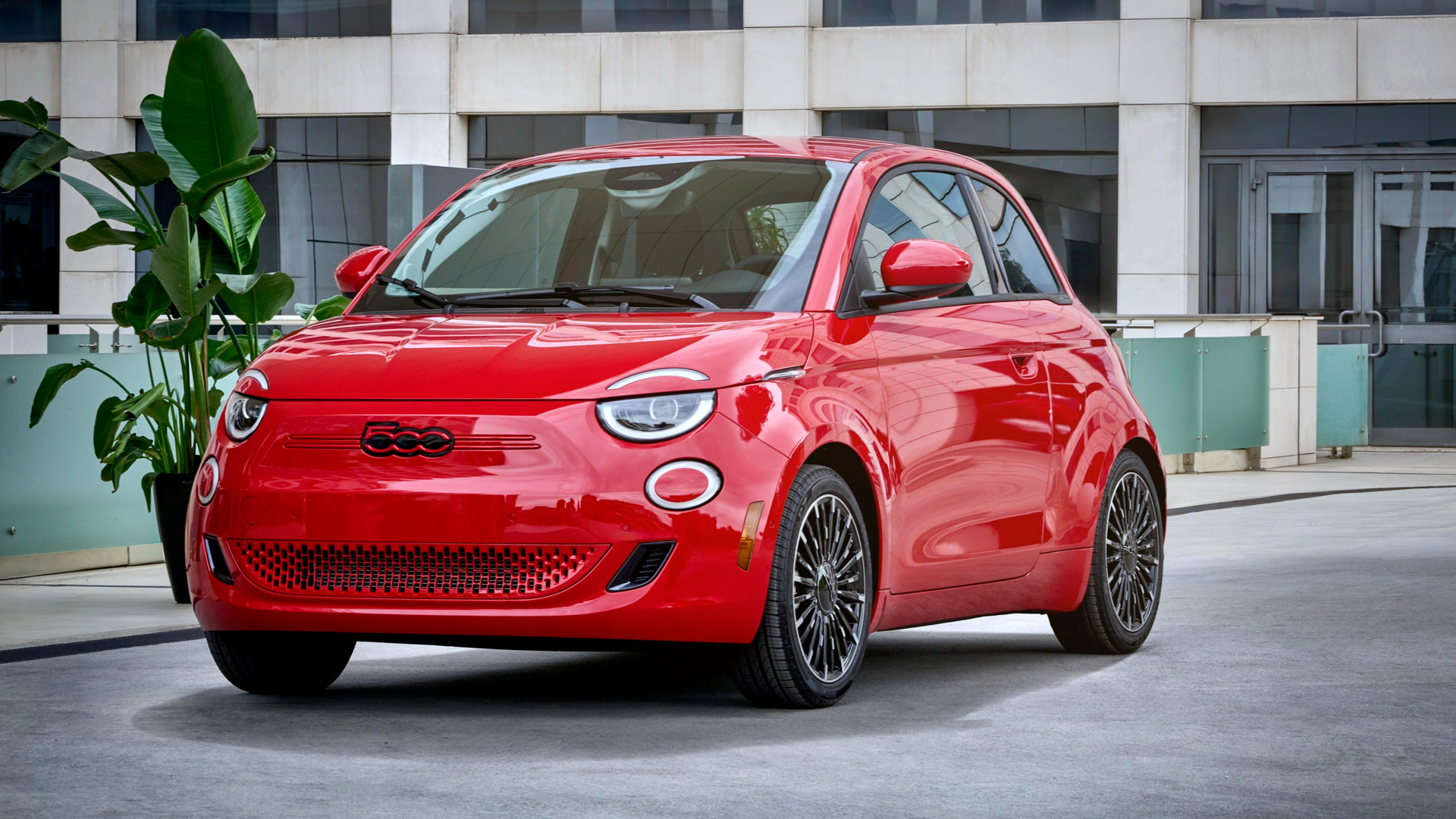
There's a delicious irony in how the automotive world now regards Fiat. For decades, the marque was Italy's people's carmaker — the brand that put entire nations on wheels with machines of deliberate simplicity. The 500. The Panda. The Topolino. Basic, honest, everywhere. And now? The very cars Fiat built to be affordable and unremarkable have become the most coveted raw material in the European tuning scene. The sensible sedan — that unglamorous backbone of the range — has turned into the unlikely canvas on which Italy's most respected craftsmen are signing their names.
The evidence has been piling up across the industry press. A barn-find Fiat 500 has been transformed into a six-figure restomod, a figure that would have seemed absurd a decade ago. The Fiat 500 Scattante, a restomod based on a 1973 donor car, has been unveiled in Italy to considerable acclaim. Britain, meanwhile, is being asked whether it has built the perfect Fiat 500 — a question posed not by Fiat itself but by the independent specialists who have taken the car far beyond what Turin ever intended. And the Topolino, Fiat's cheapest electric vehicle, has been upgraded by two Italian tuning legends working in concert, while a renowned car designer has turned his attention to the same humble machine. Even Carlos Sainz, a racer who knows precisely what a well-sorted chassis feels like, has customised his Fiat as a tribute to his girlfriend's heritage.
Lightness by Design, Not by Accident
What unites these projects is not nostalgia alone. It is the recognition that Fiat's engineering philosophy — light weight, compact dimensions, mechanical honesty — produces a platform that responds to modification in ways heavier, more complex cars simply cannot.
A sedan built to be inexpensive is also a sedan built to be understood. There is no layer of electronic intervention between the driver and the road, no excess mass to overcome, no proprietary complexity to defeat. When a tuner of genuine reputation takes on a Fiat, they are not fighting the car. They are collaborating with it. That distinction matters, and it explains why the tuning world keeps returning to Maranello's opposite pole.
When the Manufacturer Follows the Tuners
This is why the legends have gravitated toward the marque with such conviction. The Topolino, a vehicle conceived as urban transport at its most minimal, has been pushed to 50 mph by 500 MADNESS — a figure that sounds modest until one considers what it represents: a complete rethinking of the car's purpose, executed with the kind of care usually reserved for far grander machinery.
Fiat, for its part, has leaned into the cultural current with the Topolino Dolcevita, an open-air variant that explicitly channels the dolce vita spirit the tuning community has been celebrating unofficially for years. When the manufacturer starts following the tuners, you know the direction of travel. It's a rare thing to witness — a brand rediscovering its own cultural currency through the work of outsiders.
The Commercial Case for Character
The commercial logic is equally striking. Reports suggest that Chrysler's survival strategy may rest on rebadged Fiats priced around $25,000 — a reminder that Fiat's fundamental value proposition, accessible engineering with genuine character, remains commercially potent.
But the tuning scene reveals something the balance sheet cannot: that this accessibility is precisely what makes the cars worthy of elevation. A Fiat 500 restomod selling for six figures is not a contradiction. It is a statement that the raw material mattered, that the original designers got something essential right, and that the craftsmen who followed were wise enough to recognise it. Value, in this reading, isn't a ceiling. It's a foundation.
The Connoisseur's Choice
For the enthusiast, the lesson is clear. The Fiat sedan and its siblings are no longer merely sensible transport or nostalgic curiosities. They are legitimate platforms, increasingly validated by the most credible names in Italian tuning, and the market is beginning to price them accordingly.
What Fiat understood from the very beginning — that a car need not be expensive to be worthy, that simplicity is its own form of sophistication — has been vindicated not by the company's own marketing but by the hands of the people who chose to build upon its work. The people's carmaker has become the connoisseur's choice. And the canvas on which a new generation of legends is being written.