The Temple of Speed has a way of stripping away pretense, and this year’s Italian Grand Prix did so with brutal, unflattering efficiency. For 53 laps, the scarlet cars of Maranello were not merely competing; they were the protagonists of a narrative that should have ended in triumph on the steps of the podium. Instead, Ferrari delivered a vintage disaster-class, a performance that left Lewis Hamilton calling for clearer internal rules and Charles Leclerc admitting, with a candour that stung, that their intra-team battle "went too far." The result was not a victory for the Prancing Horse, but a gift-wrapped opportunity for Kimi Antonelli to claim a historic win, leaving the Scuderia to ponder a question that has haunted them for decades: who, exactly, is in charge when the lights go out?
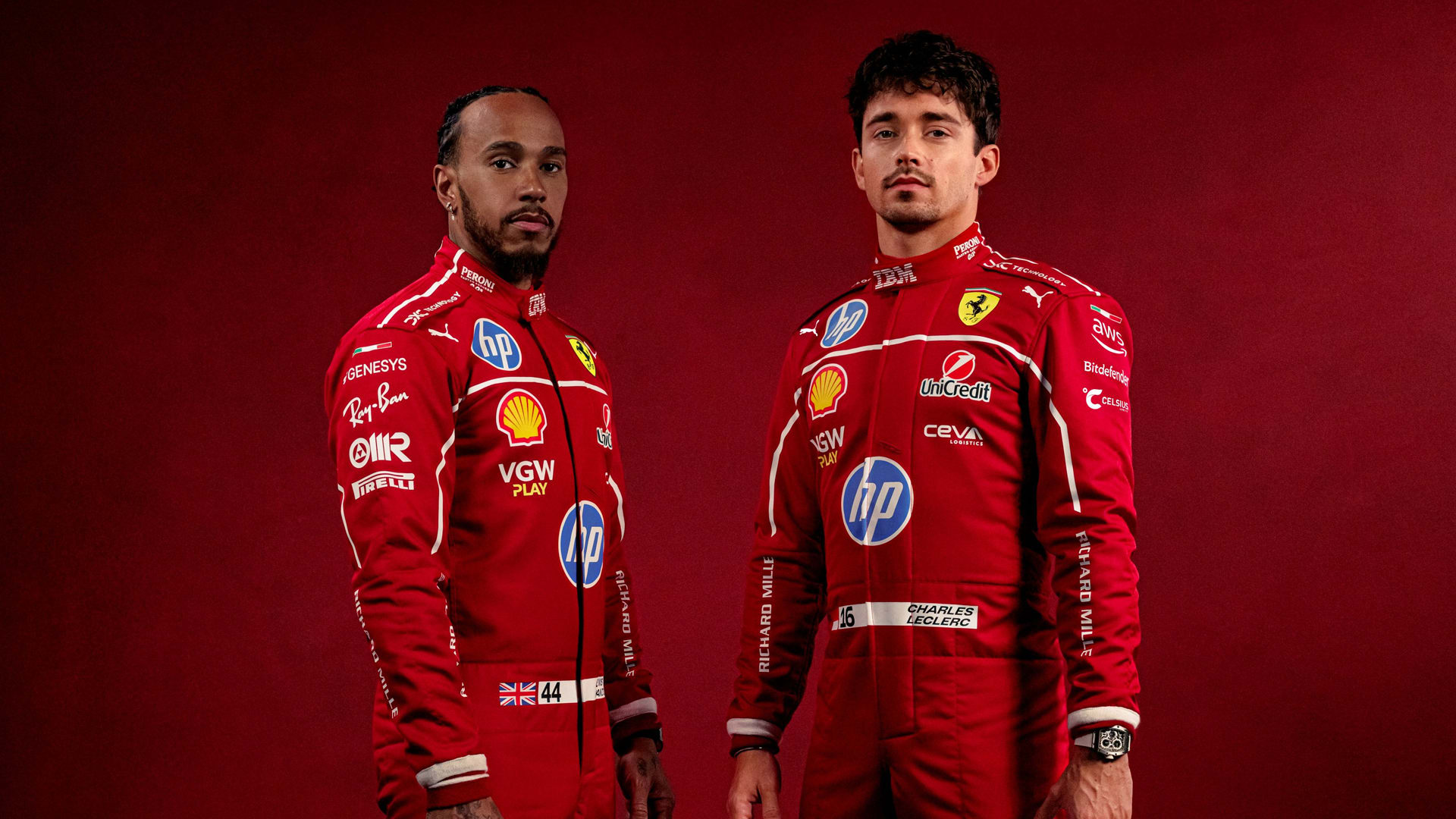
The irony is almost too poetic. Ferrari’s resurgence in 2025 has been built on a fragile, carefully curated peace between two titans. Hamilton, the seven-time world champion seeking a final act of glory in red, and Leclerc, the Monegasque prodigy who bleeds for the brand, have maintained a respectful, almost diplomatic coexistence. But Monza is not a circuit for diplomacy; it is a cauldron of adrenaline and national pride, where the tifosi demand nothing less than absolute commitment. When the two Ferraris found themselves fighting for position in the closing laps, that commitment curdled into conflict.
When Teammates Become Adversaries
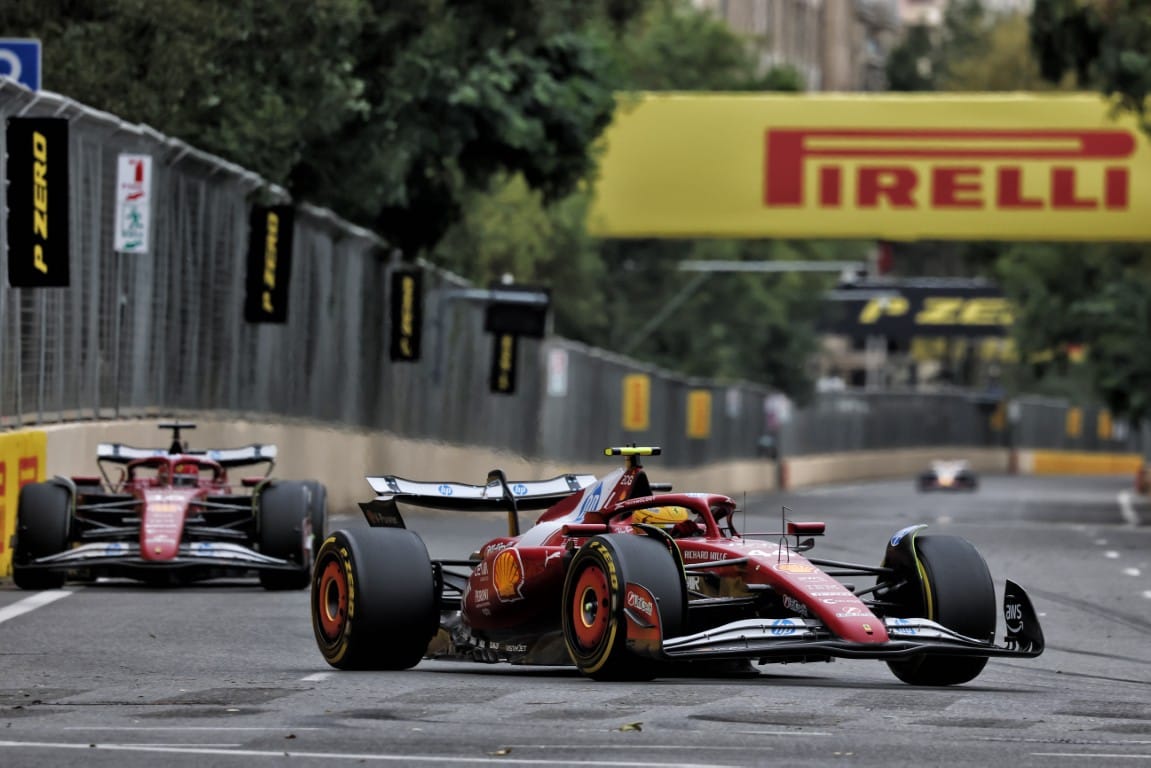
Wheel-to-wheel on the Curva Grande, they traded paint and positions with an aggression more befitting sworn rivals than teammates, each man’s desire to conquer the other overriding any semblance of collective strategy. The slipstream battles were breathtaking to watch—two scarlet missiles trading the lead at 350 km/h, the air shimmering with heat and tension. But for every fan who thrilled at the spectacle, there was an engineer trackside wincing at the risk. Team Principal Fred Vasseur later conceded it was "not good for the team," a masterclass in understatement that did little to mask the structural deficiency at the heart of his operation.
This is the crux of Ferrari’s perennial problem, the vacuum at the centre of their command structure. Unlike Red Bull Racing, where the hierarchy is as rigid as a carbon-fibre monocoque, or Mercedes, which has historically managed its stars with a velvet glove over an iron fist, Ferrari oscillates between laissez-faire liberalism and panicked intervention. They are terrified of appearing to favour one driver, yet equally terrified of letting them race. The result is a no-man's-land where mixed signals flourish.
The Clarity That Champions Demand
Hamilton’s post-race plea for clarity is not a petulant demand from a fading star; it is the rational request of a professional who understands that ambiguity breeds catastrophe. He knows that in the heat of Monza, with 200,000 fans screaming and a championship on the line, instinct will always override instruction. Without pre-agreed, ironclad rules of engagement, the inevitable happens: two red cars nearly take each other out, and a young Mercedes driver sails past to steal the glory.
The strategic ineptitude that followed only compounded the sin. Ferrari’s pit wall, a unit that has been the subject of ridicule and despair for years, appeared to be operating on a different planet. Their calls were reactive, slow, and ultimately self-defeating, leaving both drivers exposed and frustrated. Leclerc’s criticism of the strategy was sharp, but it was Hamilton’s assessment that cut deepest. He spoke of a lack of execution, a failure to control the variables that a team of Ferrari’s calibre should manage in its sleep.
A Cultural Failure, Not a Tactical One
This is not merely a tactical failure; it is a cultural one. A team with a clear pecking order—be it a defined number one or a strict "racing pact"—would have converted their front-row lockout into a 1-2 finish. Instead, they gave the world a spectacle of disunity, a performance that the BBC and ESPN were quick to label as a "disaster-class" and a "vintage" collapse. The pit wall's indecision rippled through every decision, from tyre calls to track position management, leaving both drivers to improvise in a sport that punishes improvisation.
As the tifosi filed out of Monza, their hearts heavy with the sight of Antonelli, a young Italian in a rival car, taking the laurels on their sacred soil, the message was unmistakable. Ferrari can build a car that wins, and they can attract drivers who are legends, but they remain incapable of managing the egos and the chaos they have cultivated. The matte Enzo, the WEC victories in Austin, the promising Luce EV—these are all distractions from the fundamental ailment of the Formula 1 team. Hamilton and Leclerc are not the problem; they are the symptom. The problem is a leadership structure that refuses to make the hard calls, preferring to hope that two alpha males will somehow self-organise into a cohesive unit. They did not, and the cost was another heartbreak at the very altar of their religion.
Until Ferrari embraces a ruthless, unambiguous policy of team orders, they will remain the sport's most glamorous also-rans, a beautiful tragedy forever repeating itself on the straights of Monza. For a marque built on passion, the cruelest irony is that their greatest enemy has always been themselves—and the vacuum where leadership should be.