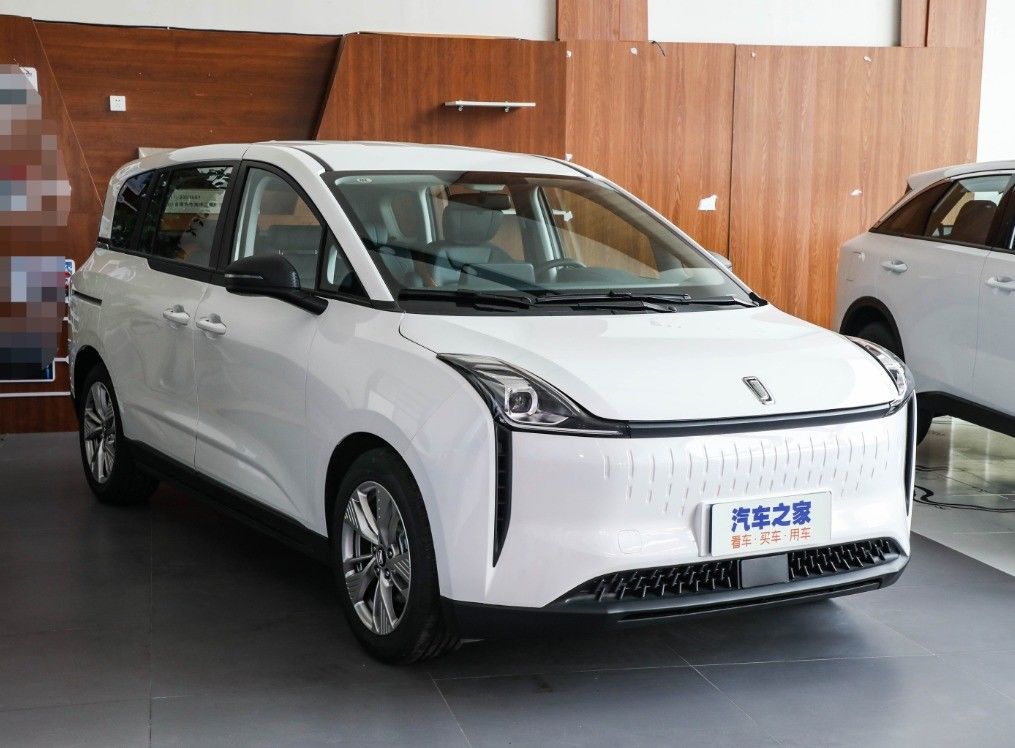
The dashboard has always been a negotiated space. Automakers pack it with screens, dials, and ever more elaborate light shows, while regulators insist—at least on paper—that the driver's eyes belong on the road. Into this uneasy truce steps FAW Pentium, the Chinese brand that has now installed a holographic anime companion on the dashboard of its vehicles, ostensibly to keep drivers entertained. It is, depending on your vantage point, either a charming piece of consumer whimsy or one of the more brazen end-runs around distraction regulation the industry has attempted in years. The uncomfortable truth is that it may be both, and the loophole it exploits remains wide open.
Consider what the system actually does. A holographic figure—an anime-styled character, according to reports—materialises above the dashboard, responds to the vehicle's occupants, and provides what the brand frames as companionship and entertainment. FAW Pentium has marketed the feature as a way to make driving more engaging, a phrase that should raise eyebrows in any jurisdiction that has spent the past two decades legislating against exactly this sort of engagement. The framing is the trick. Entertainment features are scrutinised; companion features are novel. A screen that plays video is a distraction; a hologram that talks to you is a "lifestyle experience." The distinction is semantic, but in regulatory terms, semantics are everything.
The Loophole in Plain Sight
This is where the loophole reveals itself. Distraction rules across most major markets were written for a world of physical controls and fixed displays. They govern what a centre console screen may show while the vehicle is in motion, how many taps a menu requires, whether video playback is disabled above a certain speed. They do not, by and large, anticipate a three-dimensional projection floating in the driver's forward field of view, animated and reactive, designed explicitly to draw attention. FAW Pentium has not broken these rules so much as stepped around them, occupying a category that regulators have yet to name, let alone legislate. The hologram is not a screen. It is not a phone. It is not, strictly speaking, anything the rulebooks recognise—and that is precisely its advantage.
What the Safety Literature Says
The safety literature offers little comfort. Driver distraction research consistently finds that any secondary task competing for visual or cognitive attention degrades hazard detection, and the effect compounds when the distraction is emotionally engaging—a talking character is more absorbing than a static warning light. A holographic companion that reacts, speaks, and invites interaction sits at the worst end of that spectrum. Yet because it does not resemble the distractions regulators have historically targeted, it slips through the net. One can imagine the compliance meetings: the feature is not a video player, not a messaging interface, not a navigation input. It is a hologram. The rules, drafted before holograms were a consumer product, simply do not reach it.
Novelty as Currency
There is a broader pattern here worth naming. FAW Pentium is a brand working hard to differentiate itself in a brutally competitive home market, and novelty is currency. The hologram is a marketing asset first and a driving feature a distant second—its real function is to generate the kind of coverage that has already followed its launch, the "is that an anime girl on the dashboard?" headlines that no advertising budget can buy. That the coverage frames the feature as quirky rather than dangerous is part of the achievement. The brand has managed to make a distraction device newsworthy without anyone seriously asking whether it should exist in a moving vehicle at all.
Regulators will eventually catch up, as they always do, and the hologram will likely be confined to parked mode or quietly discontinued. But the episode is instructive. The lesson of FAW Pentium's dashboard companion is not that one Chinese brand got cheeky with its interior design. It is that the architecture of distraction regulation is reactive, written for the technologies of the recent past, and structurally vulnerable to features that are novel enough to escape categorisation. Every automaker watching this launch has now seen the playbook: if the rulebook does not describe it, ship it and let the headlines do the work. The hologram is cute. The loophole it rides through is not, and until someone closes it, the dashboard will keep filling with things that were never meant to be there.