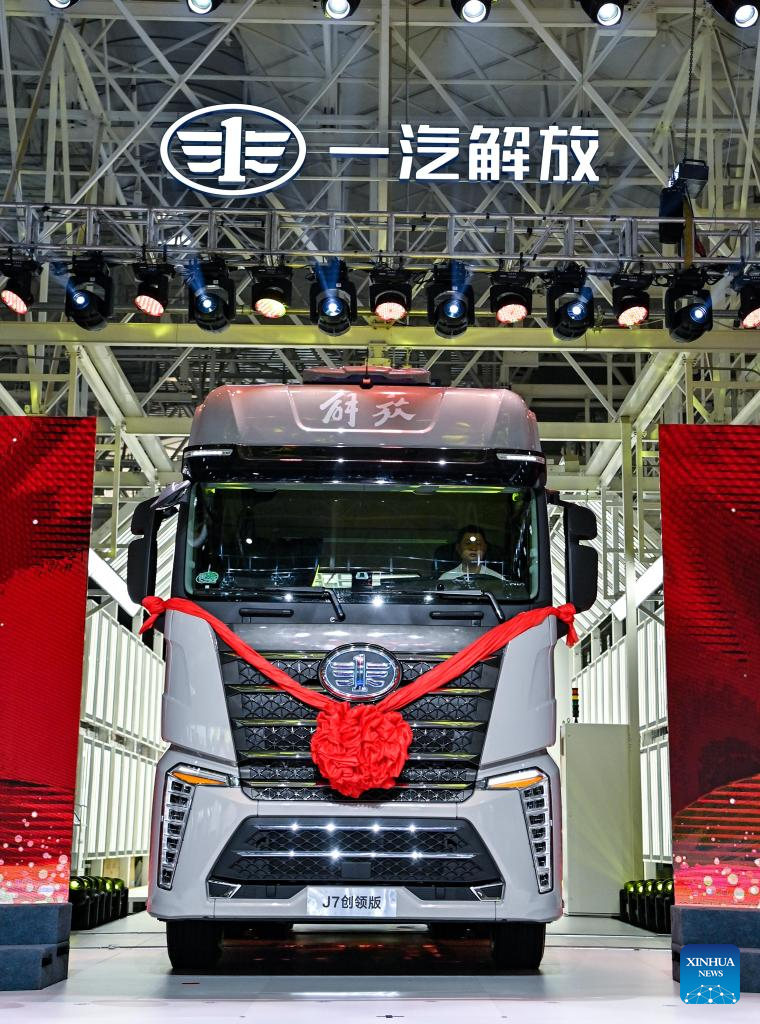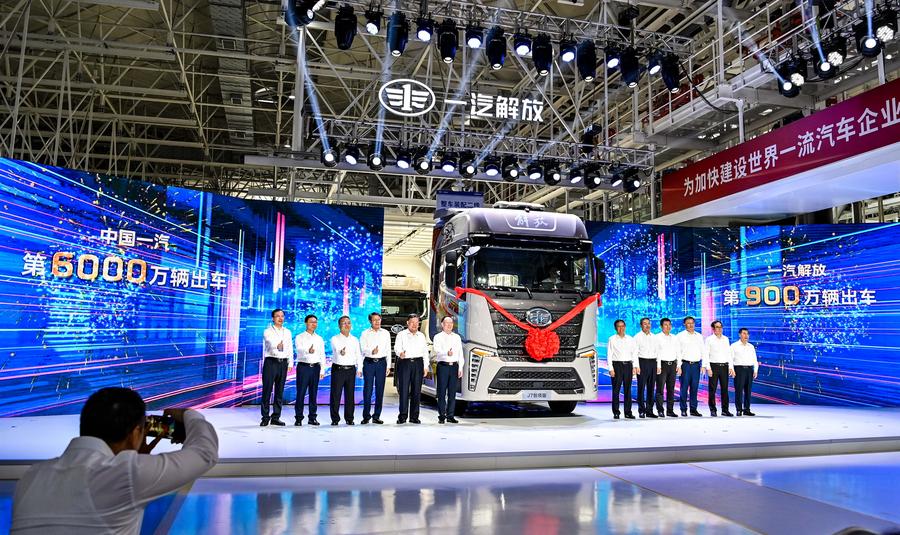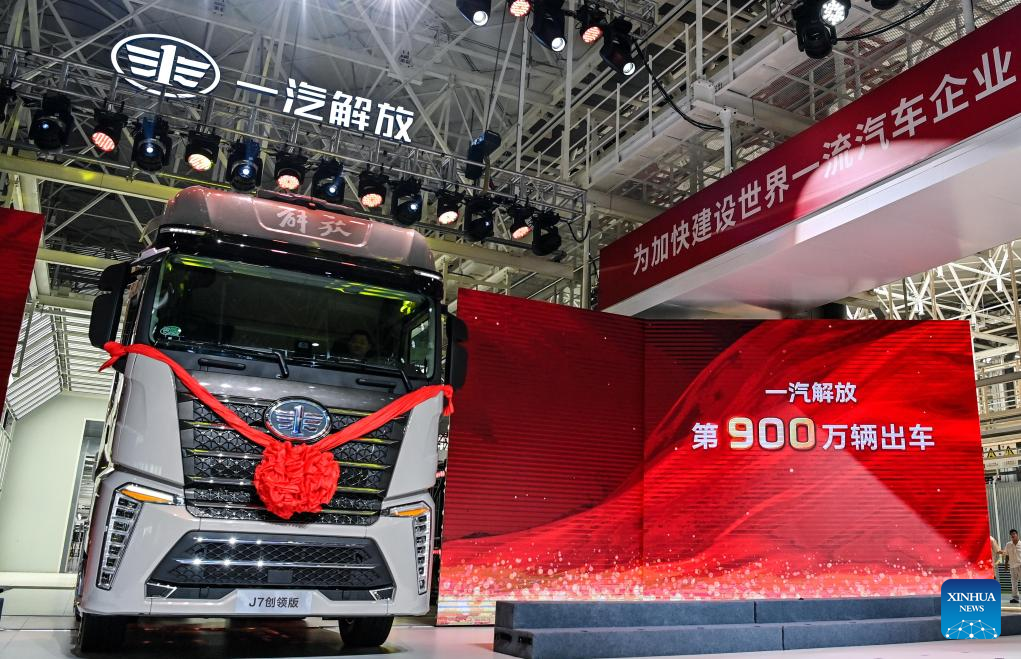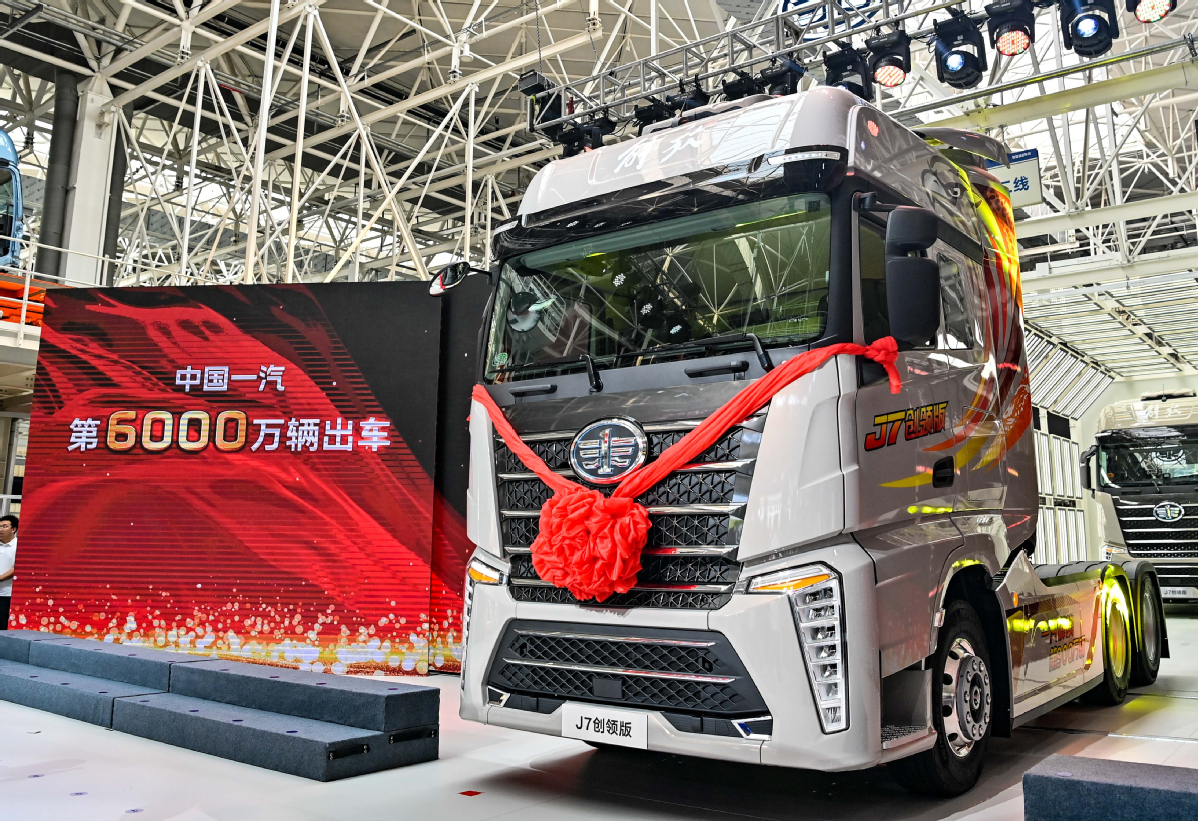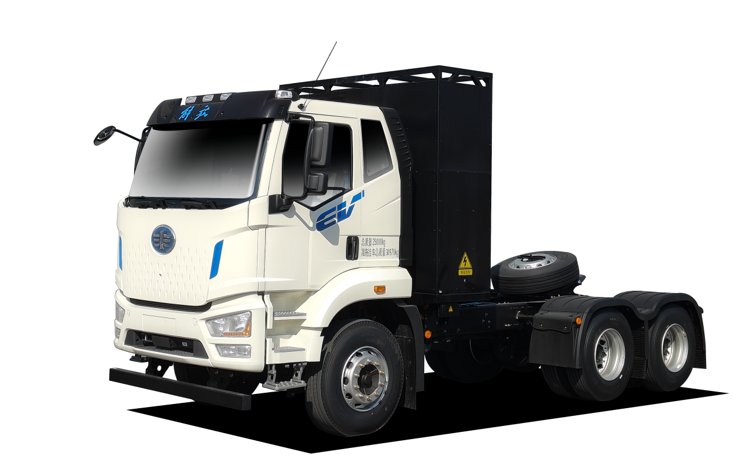
For decades, winter was just an annoyance for diesel trucking—thickened fuel, frozen air lines, a few extra minutes of warm-up idling. But electrification has rewritten that equation with a cruel twist: lithium-ion batteries, for all their energy density, turn into reluctant performers when the mercury plummets. Range evaporates, charging slows to a crawl, and fleet operators in cold climates are left staring at a very expensive paperweight. Enter FAW Jiefang, China's oldest truck builder, which is now betting that sodium-ion chemistry—not incremental lithium tweaks—is the key to conquering the cold. And the early results suggest this isn't just a clever workaround; it's a genuine paradigm shift.
The headline numbers from FAW Jiefang's latest extreme-weather trials are enough to make any fleet manager in Saskatchewan or Siberia sit up straight. In real-world validation testing, their sodium-ion-powered heavy truck retained a staggering 90 percent of battery capacity at temperatures that would cripple conventional lithium iron phosphate packs, which typically struggle to hold even 60 to 70 percent of their charge in such brutal conditions. This isn't engineering hype—it's electrochemistry. Sodium ions simply don't suffer the same degree of electrolyte thickening and slowed intercalation kinetics that plague lithium at sub-zero temperatures. For operators, that means a truck that starts, runs, and holds its range when the ambient temperature threatens frostbite. Even more impressive: the trials confirmed a 20-minute fast-charging capability in these extreme conditions, a figure that edges remarkably close to diesel refueling convenience and effectively kills the "range anxiety" argument that has haunted electric freight in cold climates.
Why Sodium-Ion Changes the Winter Game
To appreciate what FAW Jiefang has achieved, you have to understand the physics working against lithium. When temperatures drop, the electrolyte inside a lithium-ion cell becomes more viscous, and the lithium ions slow down as they intercalate into the anode. The result is reduced capacity, slower charging, and—in the worst cases—permanent cell damage from lithium plating. Sodium ions, being larger and differently charged, don't face the same kinetic barriers. They move more freely in cold electrolyte, which is why FAW Jiefang's test truck could shrug off minus 40 degrees Celsius while lithium-based competitors were left nursing their state of charge.
This cold-weather resilience isn't just a technical curiosity; it's a commercial weapon. The company's financials tell the story: a 33.8 percent revenue surge and a net profit explosion of 1,459 percent year-over-year. This isn't a science fair project; it's market disruption in action. By partnering with battery giant CATL, FAW Jiefang has secured a supply chain built on sodium—an element so abundant it's practically everywhere—rather than lithium, whose price volatility has haunted EV manufacturers for years. The result is a total cost of ownership that's rapidly becoming unbeatable, especially for fleets that operate in regions where winter performance was previously a dealbreaker for electric adoption.
Beyond Winter: A Multi-Pronged Powertrain Strategy
But framing FAW Jiefang's sodium-ion push as merely a winterization exercise would miss the bigger picture. The company is methodically building a diversified powertrain portfolio that hedges against every technological bet. The recent national certification of its hydrogen combustion engine after a grueling 100,000-kilometer reliability test proves the company is willing to explore unconventional paths beyond the fuel cell stack that most competitors are fixated on. Yet it's the sodium-ion work that offers the most immediate, scalable solution to the industry's most pressing pain point: the winter range penalty.
This isn't theoretical. FAW Jiefang has put a 49-ton truck on the road that defies the chemical conventions that have bound electric freight to temperate climates. The company's leadership in the "New Four Modernizations" of commercial vehicles—electrification, connectivity, intelligence, and sharing—isn't just marketing language; it's evidenced by this shift from laboratory curiosity to logistics reality.
The Ripple Effect Across the Industry
When the largest commercial vehicle manufacturer in China validates a battery chemistry that can conquer extreme cold, the entire supplier ecosystem pays attention. Cell makers, thermal management engineers, and charging infrastructure developers will all need to recalibrate their research priorities. And FAW Jiefang isn't keeping this breakthrough domestic—the company is expanding its global footprint, bringing an entire ecosystem of Chinese suppliers with it. For international markets previously written off as unsuitable for electric freight due to harsh winters, the message is unambiguous: the technical excuse for clinging to diesel is evaporating.
With CATL aiming for a network of 3,000 battery swap stations by 2026 and FAW Jiefang proving sodium-ion's mettle at minus 40 degrees, the cold chain logistics sector is staring at a future where the only thing frozen will be the competition. This is what happens when a legacy manufacturer refuses to accept the limitations of existing technology and instead rewrites the chemical rules of engagement. FAW Jiefang isn't just building trucks; it's redefining what's possible when the mercury drops—and that's a masterstroke any automaker would envy.