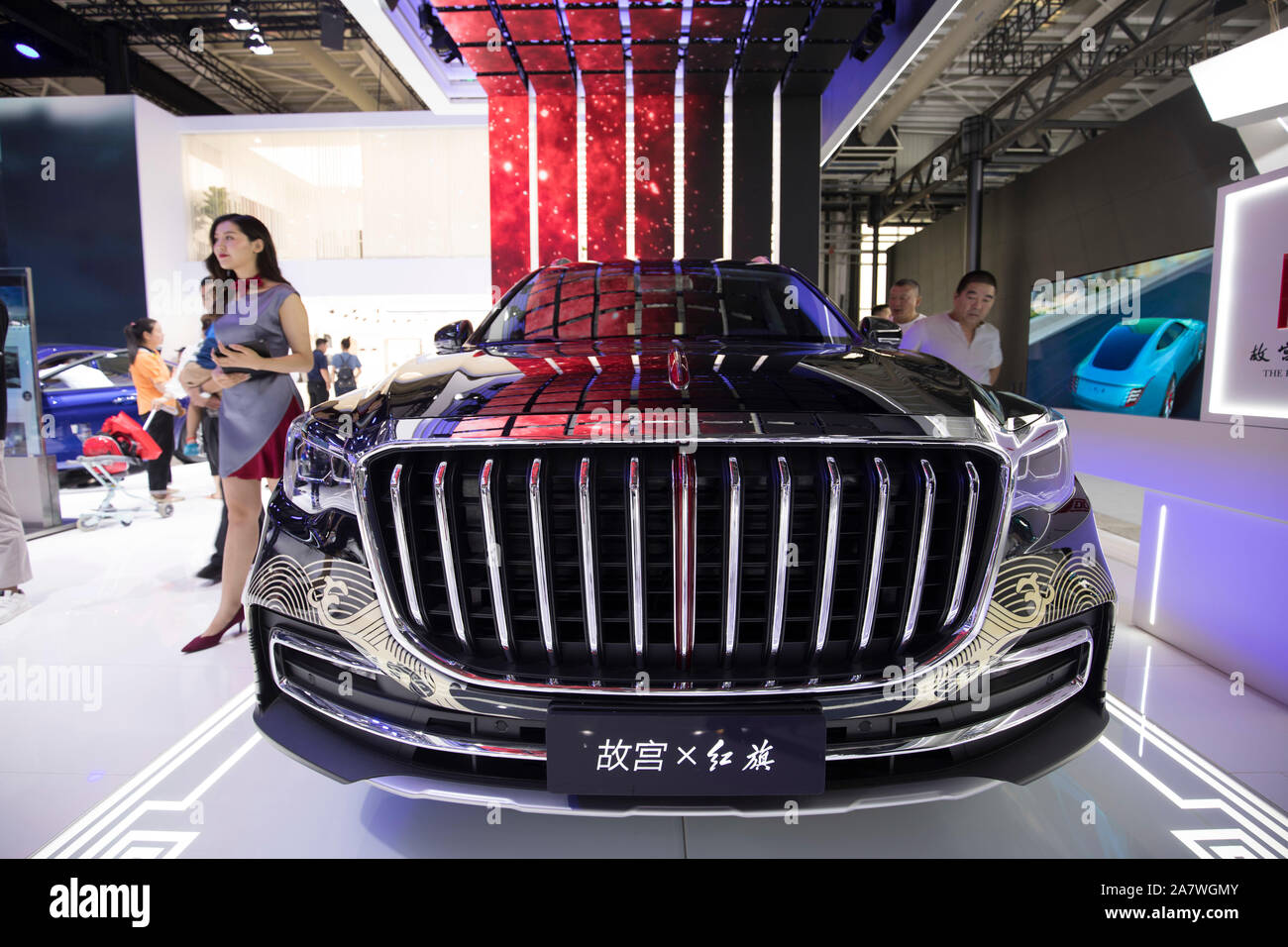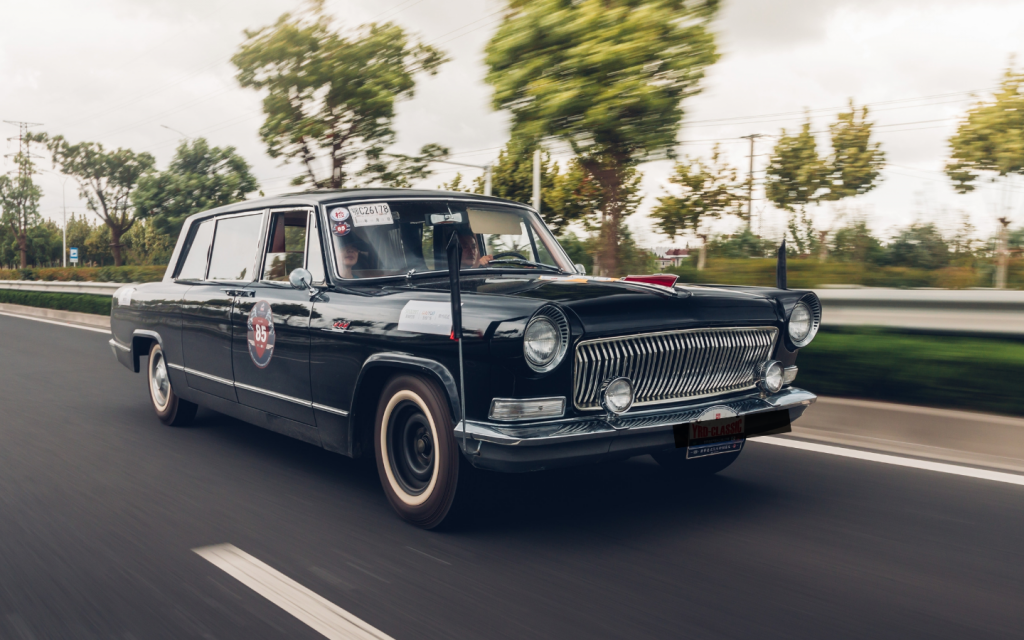
The most telling thing about a shipment of 1,600 Hongqi vehicles landing in Iraq isn't the volume — it's the confidence. This isn't a cautious exporter dipping a toe into uncertain waters. Dispatched by FAW Middle East, the consignment reads as a deliberate statement from a company that has spent the better part of a year repositioning itself for a world beyond its home market. For FAW Group, the Iraq order is something more significant than a single regional deal: it is the clearest signal yet that the group intends to convert Hongqi — once the ceremonial standard-bearer of Chinese state motoring — into a credible premium export brand across the Gulf and, by extension, the wider Middle East.
The timing is instructive. FAW has been accelerating a strategy of full-chain, localised operations abroad, moving past the simple export of finished vehicles toward distribution networks, service infrastructure, and regional management structures. The Middle East has emerged as a priority theatre in that strategy. Iraq — a market of considerable scale, limited domestic production, and a genuine appetite for aspirational premium product — offers Hongqi a foothold that is both commercially viable and symbolically potent. The brand's heritage, its association with state occasions, and its increasingly confident design language give it a distinctive story to tell in a region where prestige carries real weight.
The Home Front: A Joint Venture Unwound
Yet the Iraq shipment cannot be read in isolation. It lands at a moment when FAW's domestic architecture is being fundamentally reshaped. The agreement transferring FAW's 50 per cent stake in FAW Toyota to GAC, formally signed by the three parties, marks the end of a two-decade joint-venture arrangement and the beginning of a broader consolidation in Chinese auto manufacturing. Toyota's own China business has been converging its north-south operations, and the GAC-FAW-Toyota pact is widely read as a template for how legacy joint ventures will be unwound and reassembled as the industry shifts from expansion to stock-based competition.
For FAW, divesting its Toyota JV stake is not retreat but reallocation — freeing capital and management attention for priorities it controls outright, not least the internationalisation of Hongqi and the group's other passenger brands. That reallocation is visible elsewhere, too. FAW's alliance with GAIG Automobile, its deepening collaboration with Leapmotor, and the steady cadence of executive changes across the Chinese industry all point to a group intent on sharpening its competitive edge rather than defending legacy positions. The logic is coherent: shed the passive income of a joint venture whose strategic value has diminished, and redirect that capacity toward proprietary brands with export potential. Hongqi, as the group's most valuable brand asset, sits at the centre of that calculation.
Why the Gulf Makes Sense
The Gulf represents a sensible proving ground for those ambitions. Markets across the region combine purchasing power, infrastructure investment, and a willingness to embrace new entrants — conditions that reward a brand able to offer distinctive design and competitive specification. The 1,600-unit Iraq shipment demonstrates that FAW's Middle East operation can execute at volume, not merely at pilot scale. If Hongqi establishes genuine traction there, it creates a reference market for expansion into neighbouring territories and lends credibility to the brand's positioning in more contested arenas.
A Foundation, Not a Verdict
There are caveats, and they matter. Premium ambitions require sustained investment in after-sales support, dealer capability, and brand-building — commitments that are easy to announce and difficult to honour across fragmented regional markets. Competition in the Gulf's premium segments remains formidable, and Hongqi's recognition outside China is still modest. The Iraq order is a foundation, not a verdict.
What it does establish, however, is direction. FAW is no longer content to be defined by its joint ventures or confined to its domestic market. By putting Hongqi at the front of a Gulf export push while simultaneously restructuring its Toyota partnership at home, the group is making a deliberate bet on the value of its own brands. The vehicles now arriving in Iraq carry more than passengers; they carry the weight of a state-owned giant's reinvention — and a clear answer to the question of what Hongqi is for in a world where the old joint-venture certainties no longer apply.