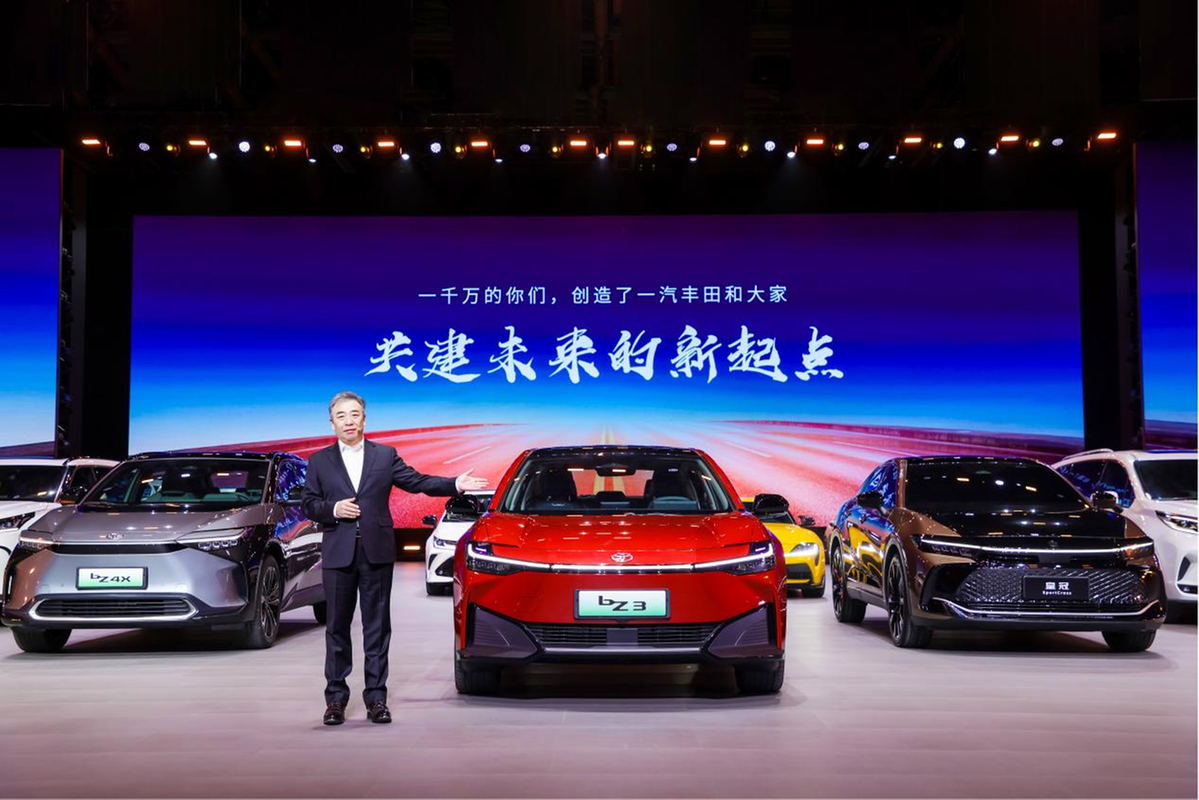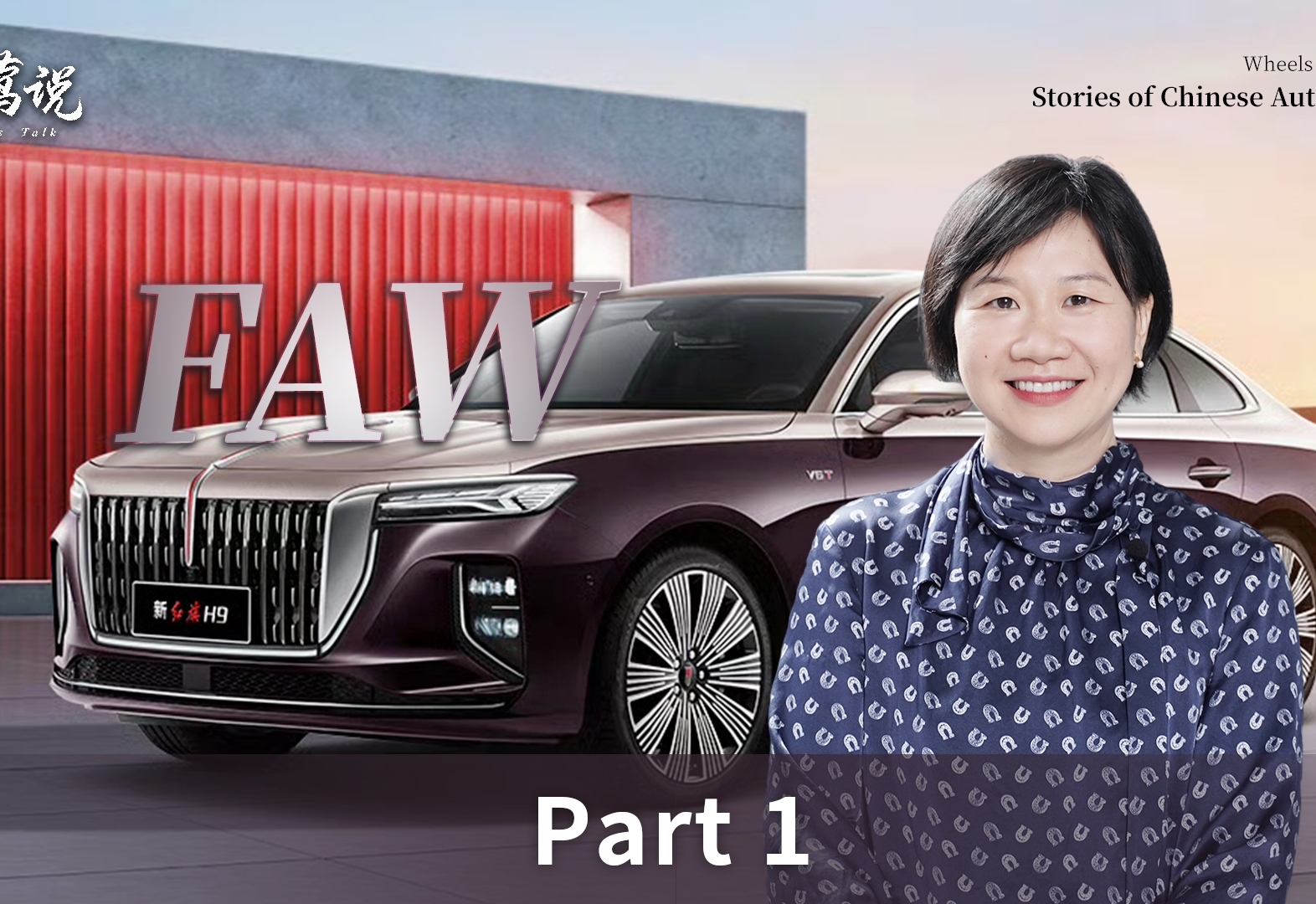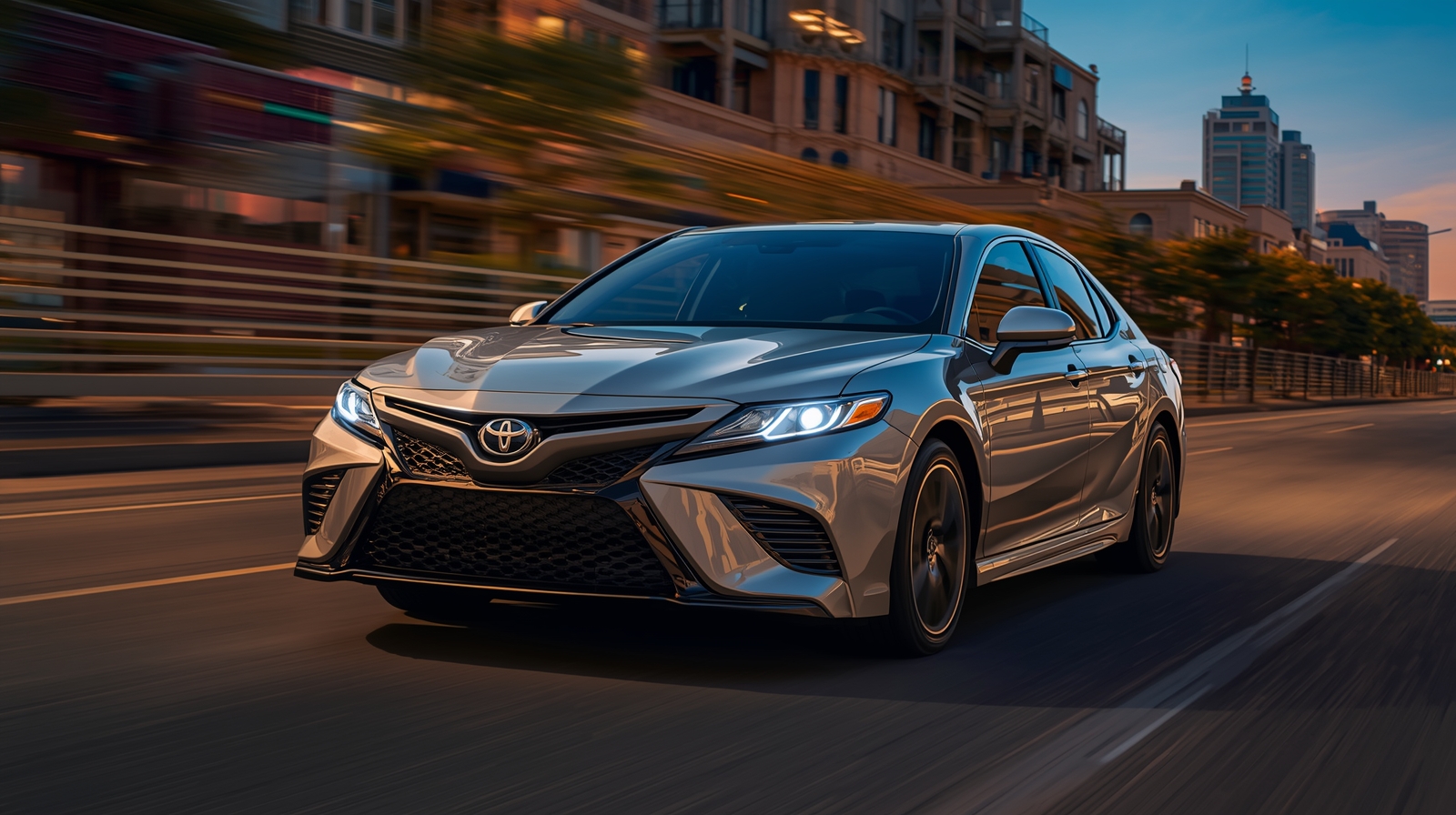
For three decades, FAW Group was Toyota's senior partner in northern China, and the FAW Toyota joint venture it anchored became a quiet powerhouse of the mid-size sedan segment. The Camry rolling off FAW Toyota's lines was never merely a product; it was the commercial spine of a partnership that helped define how Japanese engineering translated into Chinese industrial scale. That spine has now been surgically re-routed.
Under a newly signed strategic cooperation framework, GAC Group will acquire FAW's 50% stake in FAW Toyota, consolidating Toyota's Chinese manufacturing ambitions under a single southern roof and, in the process, redrawing the competitive map of the country's most contested sedan battleground.
A Governance Change, Not a Badge Change
The mechanics matter less than the meaning. Toyota will retain its own 50% position, but the joint venture's Chinese half passes from Changchun to Guangzhou — from the old state-industrial north to the export-facing, consumer-attuned south. For the Camry, the Avalon, and the broader Toyota sedan portfolio, this is not a badge change but a governance change: sourcing decisions, dealer incentives, model-year cadence, and electrification rollout will now answer to a company whose instincts were forged in the ferociously competitive Pearl River Delta.
GAC Toyota already demonstrated what that discipline produces with the Levin and the Wildlander; absorbing the northern operation gives Guangzhou a unified Toyota playbook from Harbin to Haikou.
A Knife Fight, Not a Comfort Zone
Why does this reshuffle the mid-size sedan map specifically? Because the segment is no longer a comfort zone — it is a knife fight. The Camry and its stablemates once commanded premium pricing on heritage alone. Today they face a BYD Han that undercuts them on price while overdelivering on range, a Xiaomi SU7 that weaponises software and youth appeal, and a resurgent Geely-led Galaxy lineup that has made hybrid sedans a mainstream expectation rather than a novelty.
Toyota's response in China has been cautious, even defensive — a posture that rumours of "market exit" and "massive price cuts" exploited until FAW Toyota was forced to publicly deny both. Consolidating the JV under GAC is, in effect, Toyota choosing a faster decision-maker for the fight ahead.
FAW's Inverted Calculus
There is a second, subtler consequence: FAW Group itself. Divesting its Toyota stake is not a retreat but a reallocation. FAW has been pouring capital and attention into its own brands — Hongqi above all, whose electrified sedans now compete directly in the premium tier the Avalon once owned — and into bets like the Leapmotor-backed Series A funding of an FAW subsidiary.
For a group that once measured prestige by the foreign logos on its assembly lines, the calculus has inverted: the future is domestic, electric, and brand-owned. Letting Toyota migrate south frees FAW to concentrate on Hongqi and its indigenous EV architecture without the awkwardness of managing a partner whose priorities increasingly diverge from its own.
A Template for Consolidation
Meanwhile, the deal tests something larger than any single sedan. Beijing has spent years urging consolidation across a fragmented industry of too many brands and too much capacity, and the FAW–GAC framework is being read as a template — a voluntary, equity-based coordination rather than a forced merger. If two of China's "Big Four" state automakers can trade assets rationally, the logic goes, others can too.
Whether that logic holds will be judged not in signing ceremonies but in showrooms, where the Camry must now prove that a southern-run Toyota can out-accelerate both the legacy it inherited and the insurgents arrayed against it.
The mid-size sedan was always China's most revealing mirror: it showed which brands commanded trust, which commanded price, and which commanded the future. With FAW stepping back and GAC stepping in, that mirror now reflects a quieter but more consequential truth — in the world's largest car market, even the mightiest joint ventures are no longer permanent fixtures, only provisional answers to a question that keeps being asked anew.