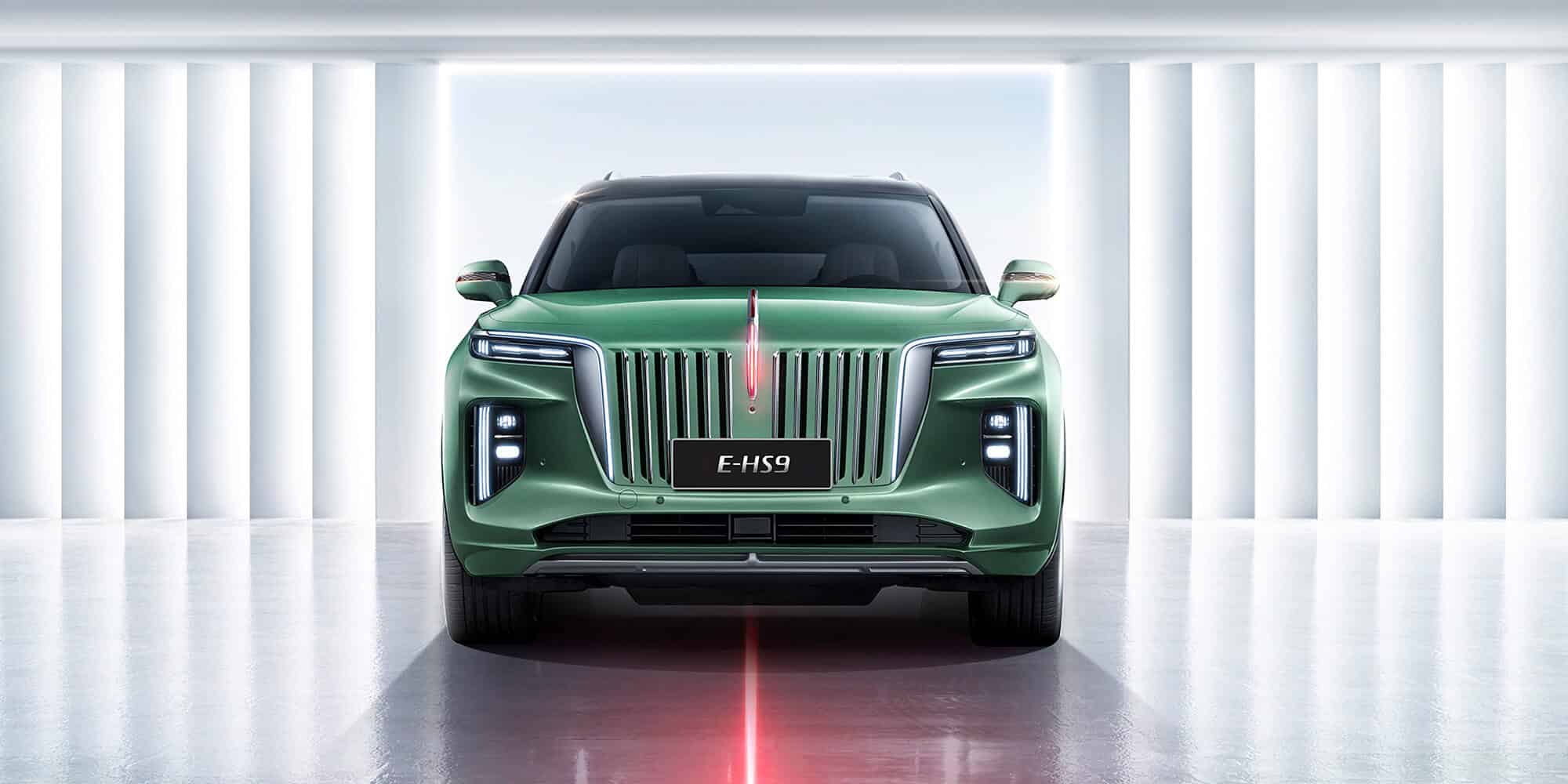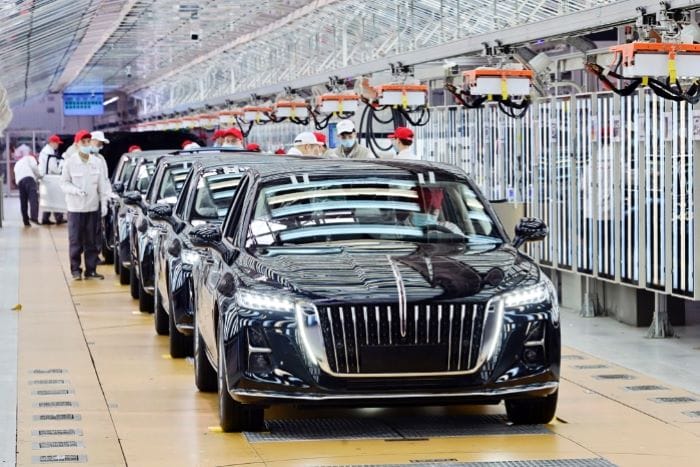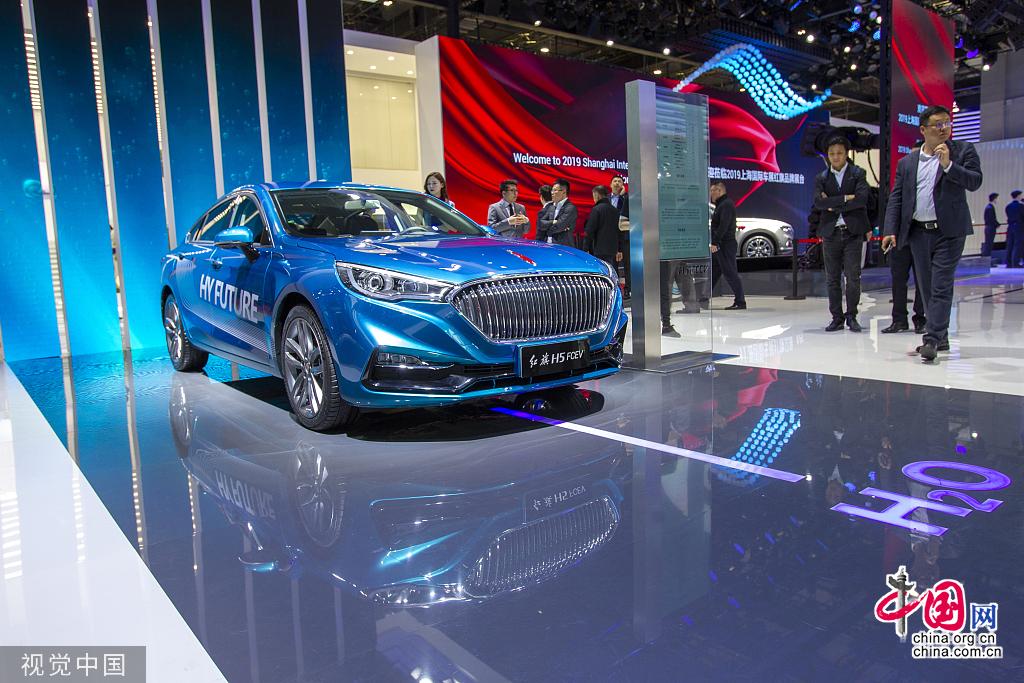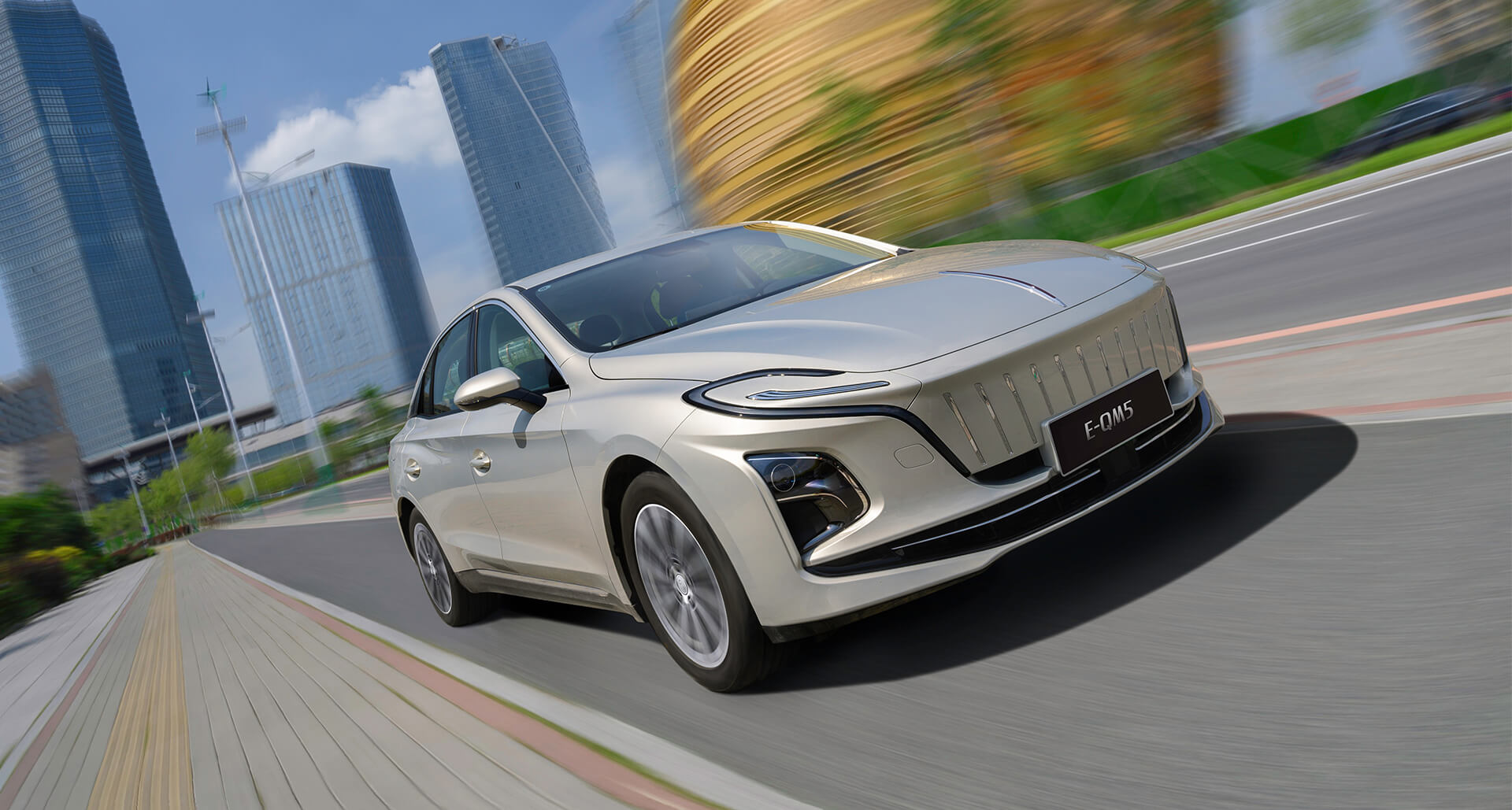
The most arresting headline in Chinese automotive circles this month isn’t a flashy new supercar or a record-breaking sales figure; it is the quiet, tectonic shift of a state-owned behemoth swallowing its pride to embrace a rival’s core technology. FAW Group, the 70-year-old cradle of China’s auto industry, has confirmed that its luxury Hongqi marque will be the first non-BYD brand to deploy BYD’s second-generation Blade Battery alongside its ultra-fast "flash charging" architecture. On the surface, this reads as a simple supplier deal. In reality, it is a masterclass in leapfrog strategy—a recognition that in the electric age, even the most hallowed state enterprise must borrow the sharpest sword available to survive.
For decades, FAW’s identity was built on the Red Flag limousines that ferried dignitaries and the joint ventures with Toyota and Volkswagen that filled its coffers. That legacy, however, became an anchor in the new energy race. While BYD and a cohort of scrappy startups sprinted ahead with vertically integrated battery chemistry and software-defined vehicles, FAW’s in-house attempts at electrification often felt like tepid fillers—competent but devoid of the spark needed to challenge the market’s vanguard. The decision to slot BYD’s LFP-based Blade Battery into Hongqi’s premium sedans is not an admission of defeat; it is a calculated pivot toward speed. Why spend a decade perfecting cell chemistry when your most formidable competitor has already solved the safety and energy density equation? By adopting the second-gen Blade—which reportedly delivers over 620 miles of range in certain configurations—Hongqi instantly vaults its upcoming EVs into the top tier of global range leaders, a position it could not have reached organically before the decade’s end.
The Art of Borrowing a Better Sword
There’s a certain poetry in the Blade Battery’s journey from BYD’s Shenzhen labs to the heart of a Hongqi flagship. The Blade’s cell-to-pack design—thin, elongated LFP cells stacked like books on a shelf—was engineered to eliminate the thermal runaway that plagued early lithium-ion packs. It’s not just about range; it’s about the confidence to push hard without the nagging fear of a meltdown. For Hongqi, a marque whose reputation rests on serene, chauffeured luxury, that safety margin is as crucial as the 620-mile figure. Imagine gliding through a rain-slicked highway in a Hongqi sedan, the electric motor humming a muted baritone, while the Blade pack beneath you stays cool, composed, and utterly unflappable. That’s the kind of reassurance that sells six-figure EVs to buyers who don’t ask questions—they just demand answers.
But this move, however, is only one facet of a broader, bolder realignment. FAW’s recent $530 million investment in Leapmotor signals that the Changchun-based giant is no longer content to merely license technology; it is buying agility by the truckload. The deepened strategic cooperation with Leapmotor—spanning vehicles, components, and artificial intelligence—suggests a holding-company approach where FAW provides manufacturing scale and political capital, while nimble partners supply the electric brains and battery architecture. It is a striking inversion of the old auto hierarchy, where the state giant once dictated terms to smaller suppliers. Now, FAW is positioning itself as the ultimate orchestrator, weaving together BYD’s cells, Leapmotor’s AI-driven platforms, and its own Hongqi No. 1 automotive-grade chip to create a hybrid corporate DNA that is part traditionalist, part insurgent.
A Global Beachhead, Powered by Chemistry
The strategic logic extends well beyond China’s borders. FAW has announced plans to launch Hongqi in three ASEAN markets this year, a beachhead where range anxiety and charging infrastructure remain critical hurdles. By pairing the Blade Battery’s renowned thermal stability with flash charging capability—which can add hundreds of kilometers of range in minutes—Hongqi directly attacks the two biggest consumer objections to luxury EVs in emerging markets. Picture a Bangkok showroom: the Hongqi’s sleek silhouette draws a crowd, but it’s the promise of a 10-minute coffee break translating into 300 kilometers of silent thrust that seals the deal. Meanwhile, the group’s experiments with sodium-ion batteries in its FAW Jiefang heavy trucks demonstrate that this is not a single-vector strategy but a multi-pronged assault on energy diversity. The same group that once hesitated on lithium is now trialing sodium cells for commercial fleets, all while deepening a partnership with Toyota on the bZ5 crossover. FAW is effectively running a portfolio of technological bets, hedged perfectly against the uncertainty of which chemistry or platform will dominate the late 2020s.
The Humility of Speed
Critics will argue that outsourcing the heart of the EV—the battery—surrenders long-term margin and strategic independence. They are not entirely wrong. But FAW’s leadership seems to understand that in a market where BYD sells more EVs in a quarter than Hongqi sells cars in a year, the risk of irrelevance far outweighs the risk of dependency. The adoption of the Blade Battery is a humbling act, yet it is also an act of immense strategic clarity. FAW is not trying to out-BYD BYD; it is trying to out-execute everyone else by leveraging the best available parts, regardless of their origin.
There’s a lesson here that transcends the Chinese market—a reminder that in the electric era, brand heritage is a starting line, not a finish flag. The Red Flag once symbolized the unchallengeable might of the state; today, it represents something more compelling: the willingness of a colossus to bend, adapt, and borrow brilliance where it finds it. By fusing Leapmotor’s software, BYD’s hardware, and its own vast manufacturing muscle, FAW is engineering a shortcut to the future—one that may well see the Red Flag flying higher than it has in decades, not as a symbol of state power, but as a proof point that even the oldest giants can learn to leap. And when the dust settles on the electric revolution, that may be the most enduring legacy of all.