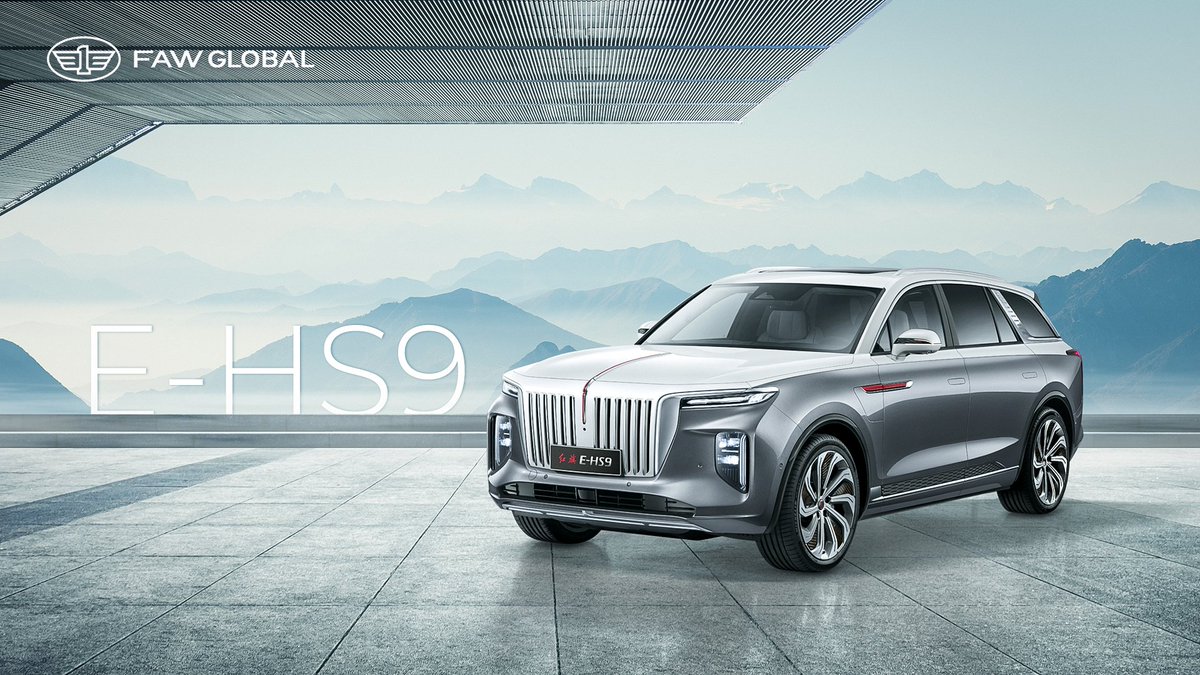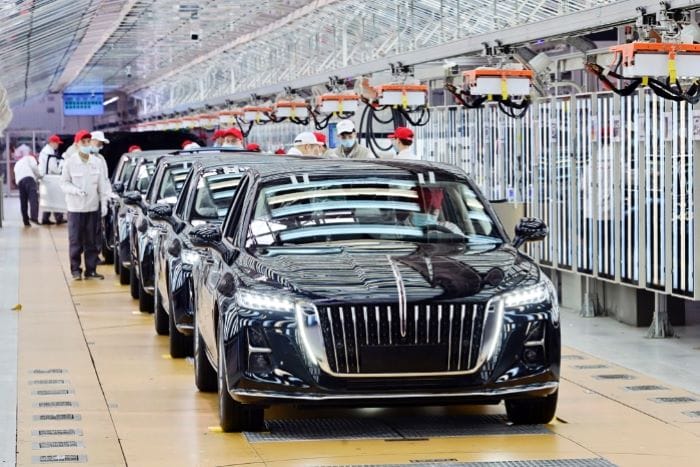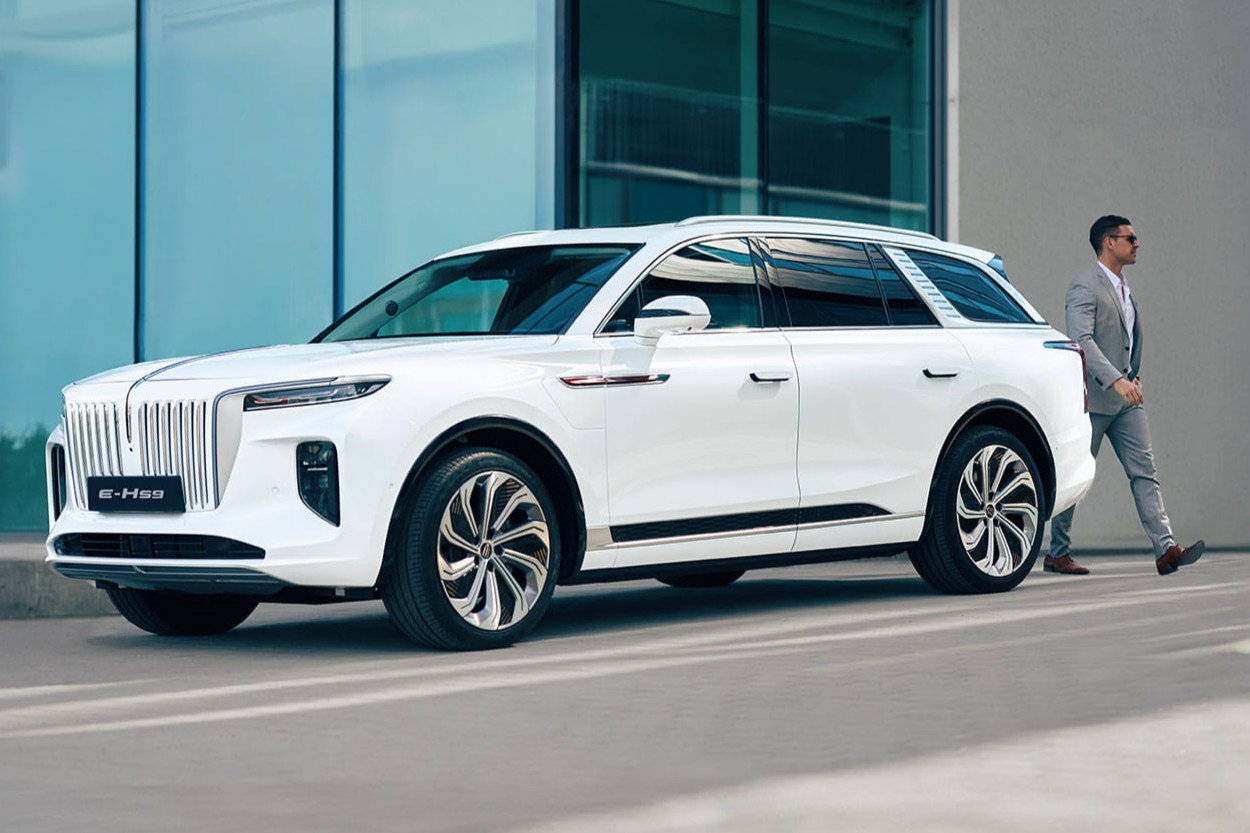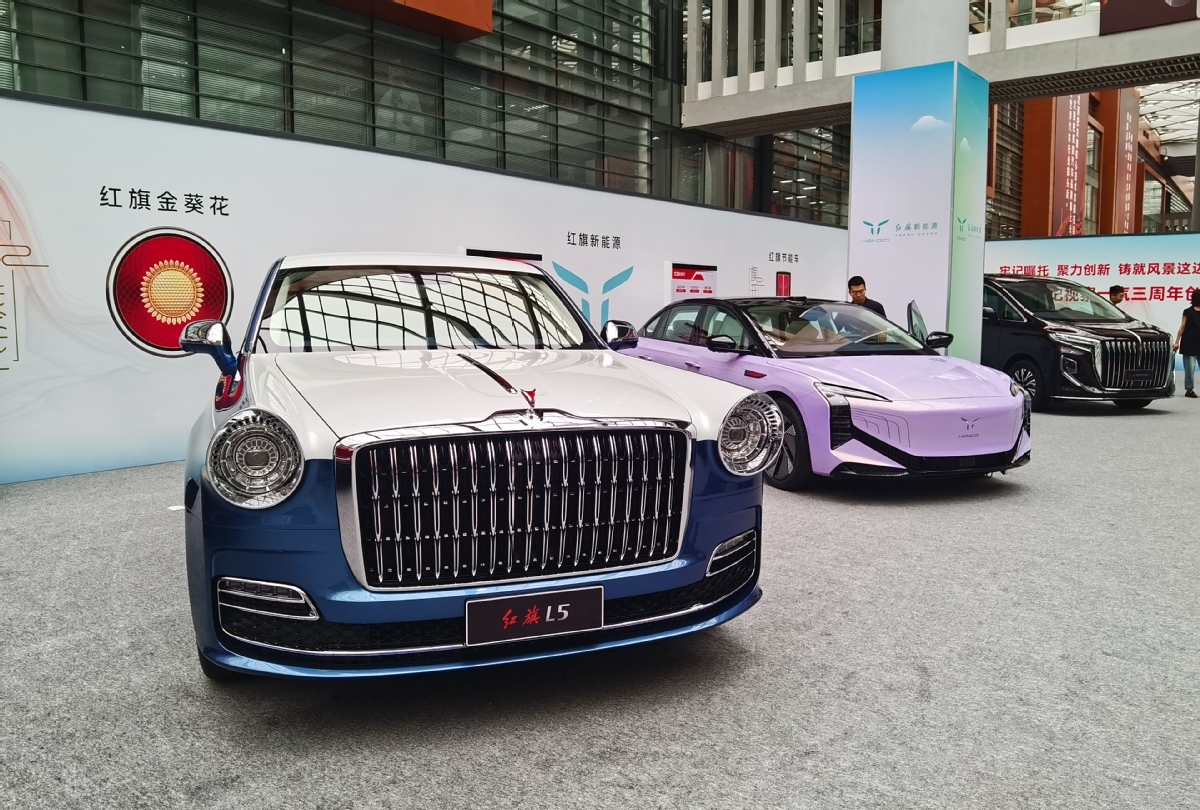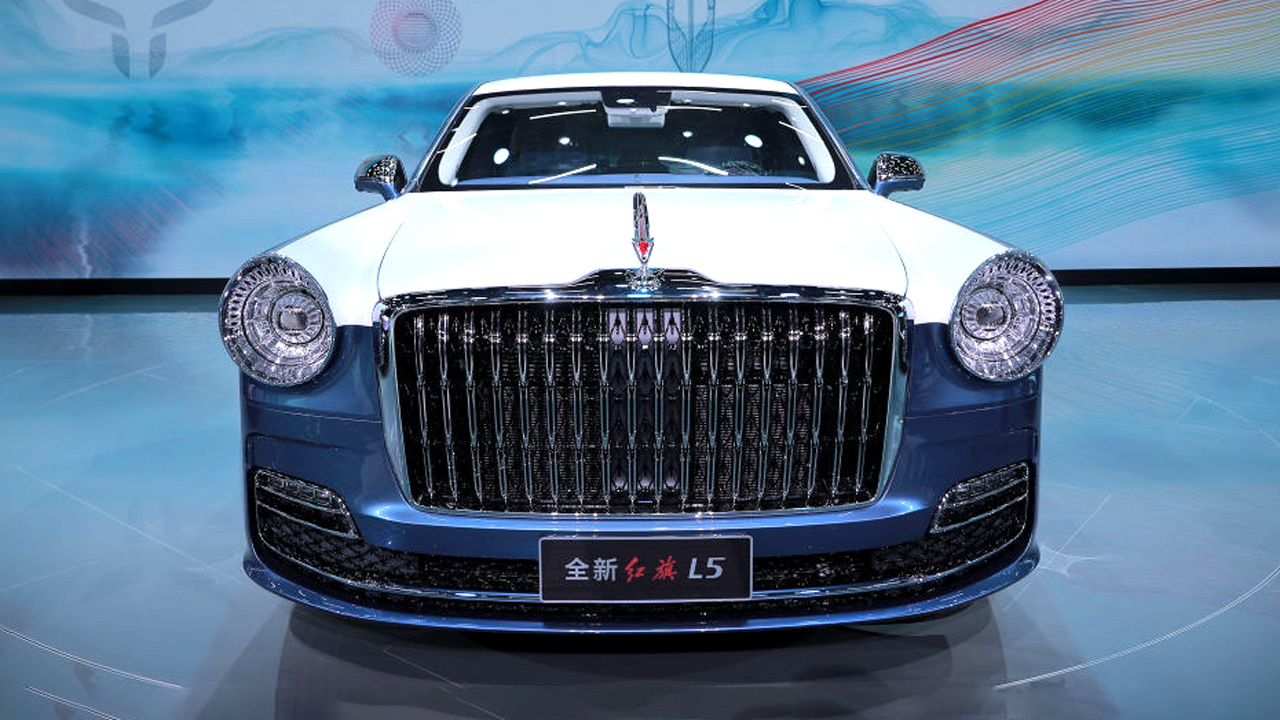
In the high-stakes chess game of China's automotive industry, every move signals strategic intent. FAW Group's decision to divest its stake in the FAW Toyota joint venture to rival GAC Group represents far more than a simple portfolio adjustment — it marks a decisive pivot toward establishing Hongqi as a genuine competitor in China's premium sedan market. This calculated retreat from a decades-old partnership reveals a manufacturer betting its future on indigenous luxury rather than continued reliance on foreign badge engineering.
The mechanics of the deal, first disclosed in regulatory filings, will see GAC acquire FAW's equity in their shared Toyota operations through share issuance, making FAW the second-largest shareholder in its Guangzhou-based rival. On the surface, this appears counterintuitive — why would a state-owned giant surrender control of a profitable joint venture to a competitor? The answer lies in Beijing's broader consolidation agenda and FAW's own metamorphosis from assembly partner to brand builder.
The End of the Faustian Bargain
For decades, China's automotive landscape operated on a Faustian bargain: foreign manufacturers gained market access, domestic firms gained manufacturing expertise. FAW's partnerships with Toyota and Volkswagen generated reliable revenue streams but did little to advance the cause of indigenous brand development. The Hongqi marque, despite its storied history as the vehicle of choice for Chinese political leadership, languished as a symbol of potential rather than achievement. That calculation has fundamentally shifted.
The timing of FAW's Toyota divestiture coincides with remarkable momentum for Hongqi in the premium sedan segment. Models like the H9 and H5 have demonstrated that Chinese manufacturers can compete credibly against established German rivals on build quality, technology integration, and design sophistication. Sales figures reflect this trajectory — Hongqi has consistently outpaced broader market growth, suggesting genuine consumer appetite for domestically produced luxury vehicles rather than mere patriotic purchasing.
Consolidation as Strategy
Morgan Stanley's assessment that the GAC-FAW joint venture restructuring could "accelerate industry consolidation" understates the strategic logic. By converting its Toyota stake into GAC shares, FAW maintains exposure to joint venture profits while freeing capital and management attention for Hongqi development. The arrangement also positions FAW advantageously should Beijing push for further consolidation among state-owned automakers — a scenario increasingly discussed in policy circles.
The consolidation imperative extends beyond Toyota operations. FAW's strengthening collaboration with Leapmotor, including participation in the electric vehicle maker's Series A funding, signals a multi-pronged approach to securing technological capabilities. While Hongqi pursues premium combustion and hybrid sedans, the Leapmotor partnership provides access to cost-effective EV platforms and battery technology — capabilities that would have required years of internal development to replicate.
Industry observers have noted that Honda's public response to the FAW-GAC restructuring — clarifying that no merger of their respective Honda ventures is planned — highlights the sensitivity surrounding these maneuvers. Each joint venture restructuring sends ripples through multiple partnerships, requiring careful diplomatic management alongside financial engineering.
The Road Ahead for Hongqi
The deeper significance lies in what FAW's pivot reveals about China's automotive ambitions. Government policy has consistently pushed state-owned enterprises toward consolidation and indigenous brand development, but execution has often lagged rhetoric. FAW's willingness to restructure its Toyota relationship suggests that the incentives have finally aligned with strategic reality. The company appears to have concluded that Hongqi's future — and by extension, its own relevance in an increasingly competitive market — depends on building genuine brand equity rather than collecting joint venture dividends.
Challenges remain substantial. Hongqi must continue improving its product lineup while navigating the transition to electrification, where Chinese competitors like BYD and NIO have established significant leads. The premium sedan segment remains fiercely contested, with established German brands possessing decades of brand equity that cannot be replicated through government procurement alone. Yet FAW's willingness to restructure its Toyota relationship demonstrates that the company recognizes the cost of continued dependence on foreign partnerships — and is willing to pay it.
The GAC-FAW transaction ultimately represents a coming-of-age moment for Chinese state-owned automakers. By trading joint venture security for indigenous brand opportunity, FAW is betting that Hongqi can become the luxury marque its heritage always promised. Whether that bet pays off will define not just FAW's future, but the trajectory of China's entire automotive industry.