The architecture of Toyota's Chinese sedan business is being quietly redrawn, and the engineer holding the pencil is not in Nagoya but in Changchun. FAW Group's agreement to take a significant stake in GAC Group — with GAC simultaneously acquiring FAW's holding in their shared Toyota joint venture — represents the most consequential restructuring of Toyota's China footprint since the two ventures were established.
For a brand that built its Chinese success on a deliberate north-south balance, the symmetry that defined the past two decades is now giving way to something more complicated. The sedans that anchor Toyota's volume story in China may look the same on the showroom floor. The hands that build them are changing.
The Duopoly That Ran on Symmetry
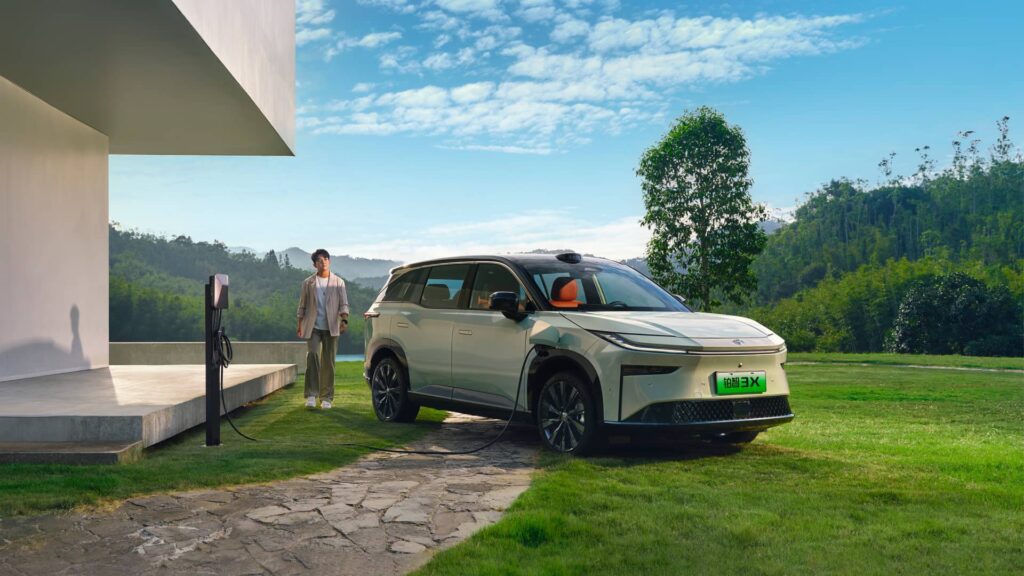
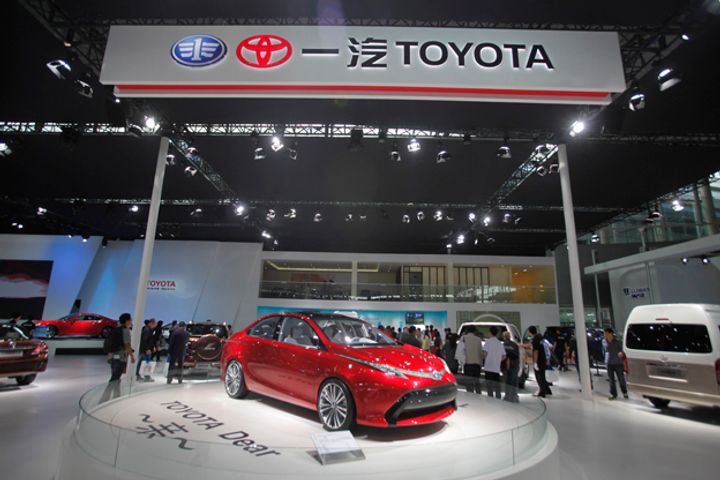
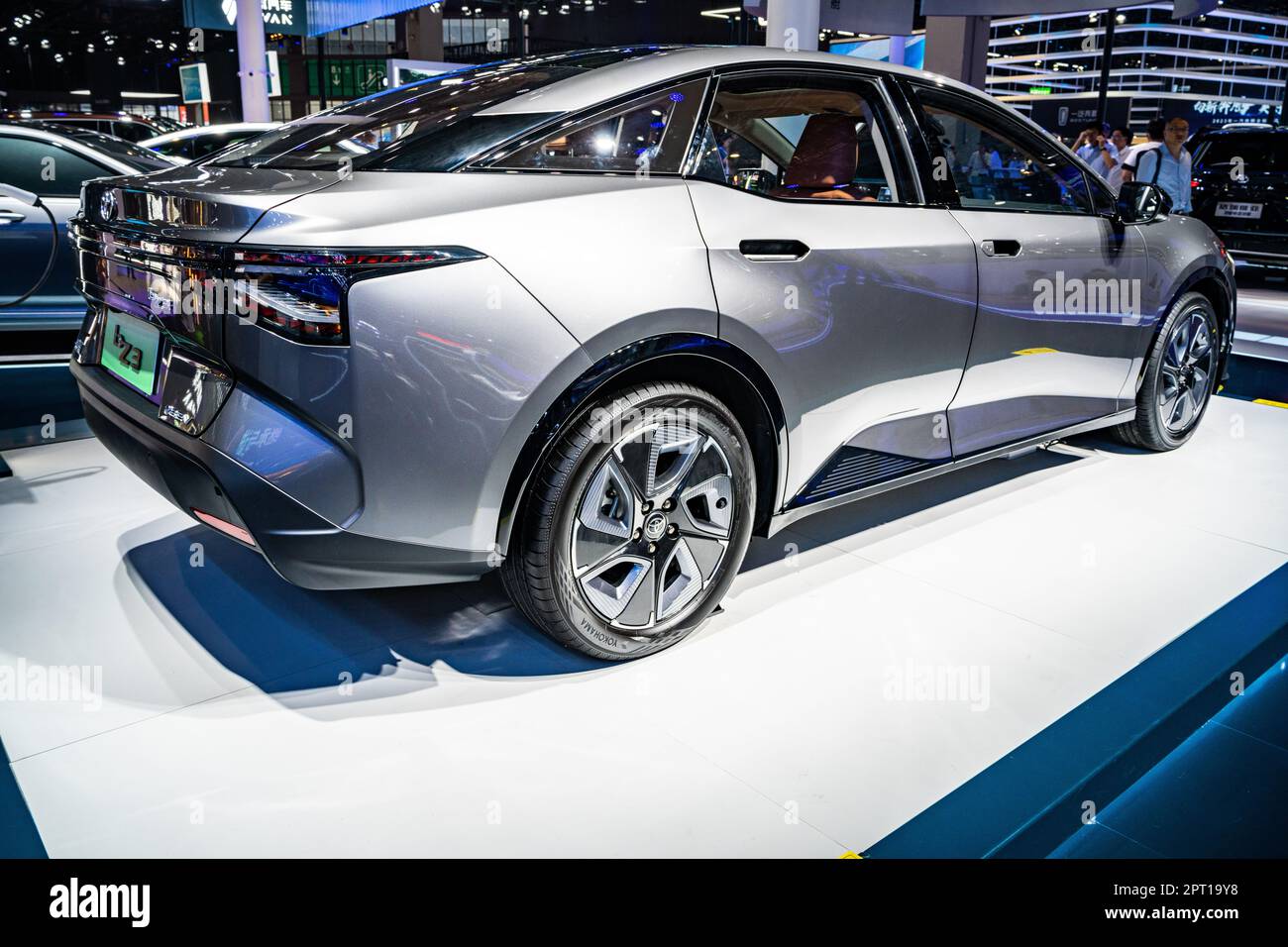
To understand why this matters, recall the structure Toyota has relied on since the mid-2000s. FAW Toyota in the north built the Corolla, the Crown, and the bZ series. GAC Toyota in the south built the Camry, the Levin, and the Highlander. The two ventures competed, occasionally overlapped, and together gave Toyota roughly ten percent of China's passenger car market at its peak.
Sedans sat at the centre of that arrangement. The Corolla and Levin were mechanical twins sold through rival channels, and the Camry anchored the profitable mid-size segment. It was an elegant duopoly — until it wasn't.
Redundancy, Not Demand
The problem was never demand. It was redundancy. Two sales networks, two dealer bodies, two product planning teams, and two sets of manufacturing footprints all chasing a market that has shifted hard toward electrification and price-driven competition.
BYD now outsells Toyota in China by a wide margin, and the sedan segment where Toyota once earned its steadiest margins is precisely where Chinese EV makers have applied the most pressure. Beijing's call for consolidation across state-owned automakers — a policy signal that has been building for over a year — gave the two state parents both a mandate and a rationale.
Under the emerging arrangement, FAW becomes the number two shareholder in GAC, while GAC takes over FAW's stake in the Toyota joint venture. The immediate effect is a cleaner southern operation with a single dominant partner, and a northern one whose Toyota interests are being rebalanced. Morgan Stanley has already flagged that implementation could accelerate industry-wide consolidation, and it is not difficult to see why: if two of China's largest state automakers can restructure their flagship foreign partnerships without dissolving them, the template applies elsewhere.
What the Sedans Are Telling Us
The sedans tell the story most clearly. The Camry and the Corolla have long been Toyota's volume pillars, but they sit in a segment where Chinese buyers increasingly expect software-defined interiors, extended electric range, and aggressive pricing.
A consolidated GAC-led structure gives Toyota a single, more agile counterparty for the southern line-up — one that can move faster on localised hybrid and battery-electric derivatives without negotiating between two ventures with overlapping claims. It also reduces the internal friction that has historically slowed product decisions, particularly for models that could plausibly be built in either camp.
Honda's public insistence that it has no plans to merge its own northern and southern ventures is instructive rather than contradictory. It shows how sensitive the joint-venture map has become, and how carefully foreign partners are watching the FAW-GAC manoeuvre. Toyota has said little publicly, which is consistent with its style, but the logic of the deal points toward a future in which its China sedan strategy is run through fewer, stronger channels rather than a mirrored pair.
The Open Question
None of this is settled. Regulatory approvals, shareholder votes, and the detailed allocation of production between plants all remain open.
What is already clear, however, is that the era of Toyota's neat Chinese duopoly is ending. The question for the next generation of Corolla and Camry buyers in China is not whether the cars will change — it is which partner, and which province, will build them.
For Toyota, the move is less a retreat than a recalibration — an acknowledgement that the brand's long-held philosophy of patient, localised manufacturing now demands fewer partners and faster decisions. The sedans will still carry the same badge. The map behind them is being redrawn.