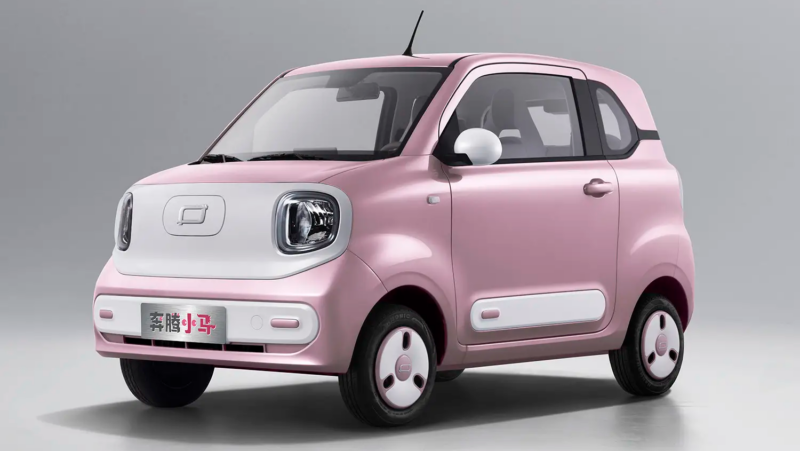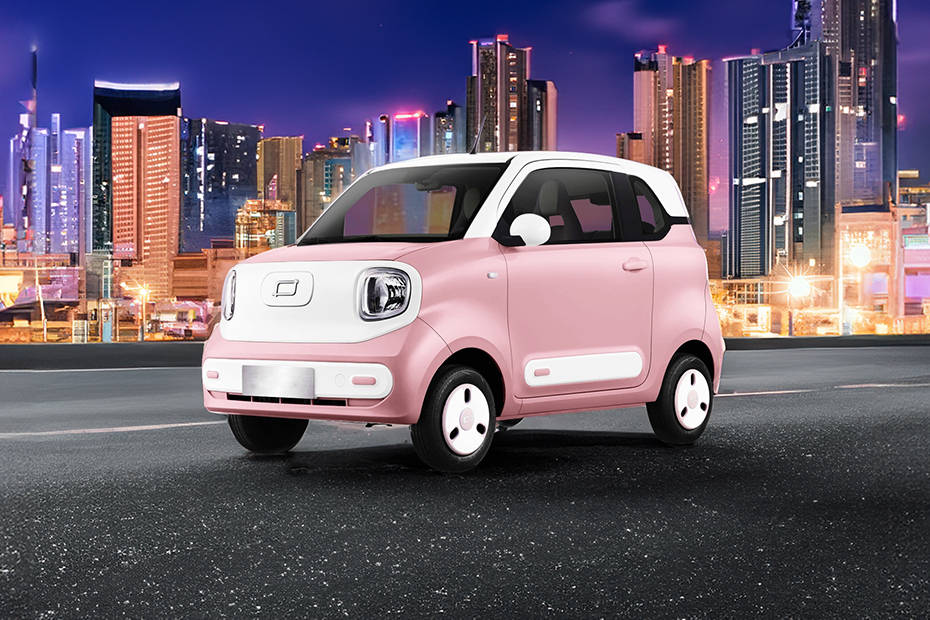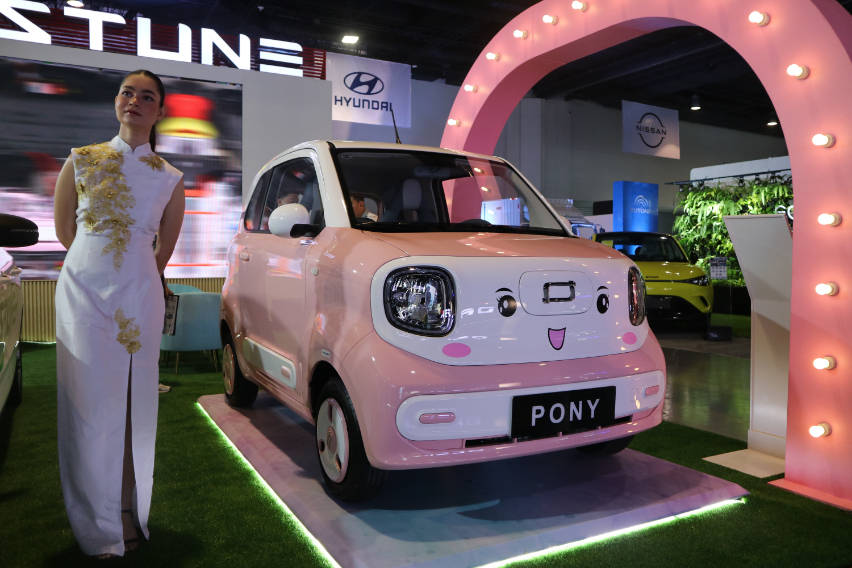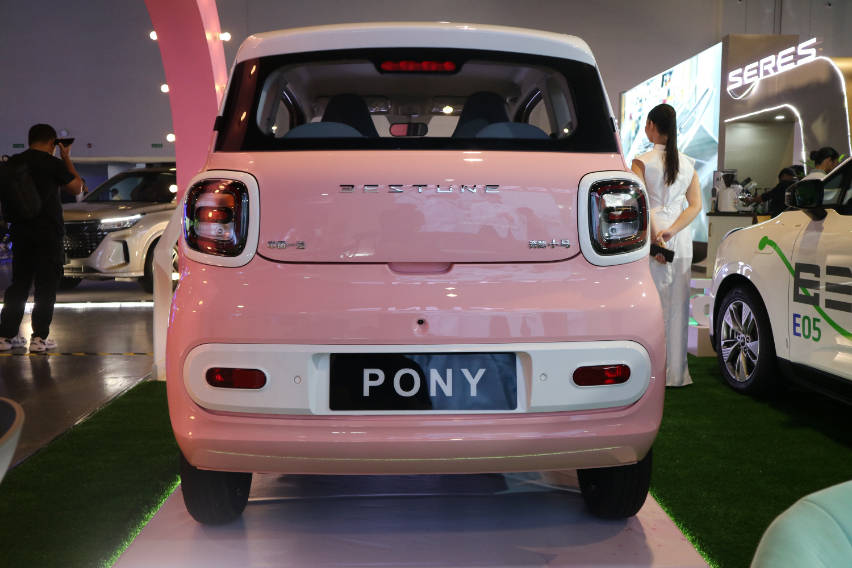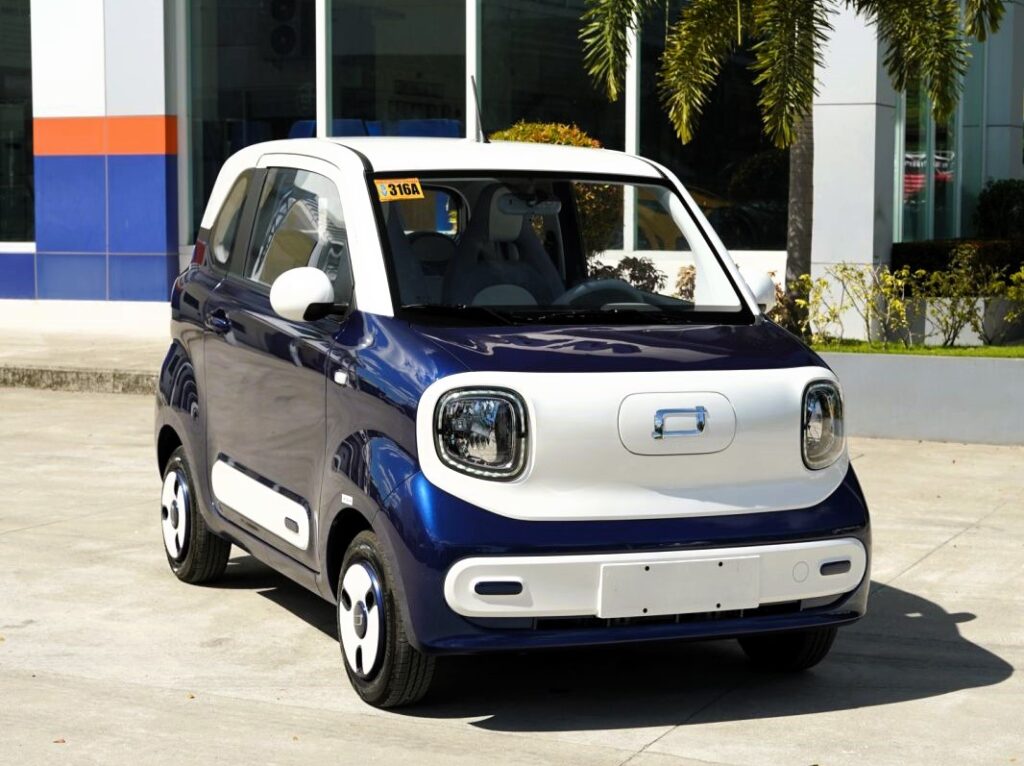
The Chinese EV market has spent the past year quietly recalibrating upward. Several manufacturers have nudged sticker prices higher, citing battery-cost pressure, tighter margins, and the sheer expense of sustaining aggressive growth. Against that backdrop, FAW Bestune has taken a conspicuously different line—leaning harder into affordability rather than joining the chorus. Nowhere is that clearer than with the Bestune Pony, a compact electric runabout positioned as one of the most accessible EVs in China.
The numbers tell the story plainly. The 2026 Bestune Pony EV has launched with a starting price of roughly 4,800 USD—a figure that would have seemed implausible for a road-legal, factory-backed EV only a few years ago. The recently introduced five-door version arrives at approximately 6,735 USD, a modest step up that buys considerably more practicality. That five-door variant is slated for a global launch on October 28, a signal that FAW Bestune intends to export this value proposition rather than confine it to the domestic market.
Timing Is the Real Specification
What makes the Pony strategy notable is its timing. The South China Morning Post has reported that three Chinese EV makers have raised prices, even as a demand slowdown threatens to force a reversal. In other words, the industry’s pricing power is fragile, and the window for premium repositioning may already be closing. Bestune’s decision to press the affordability advantage looks less like a discount tactic and more like a disciplined reading of where demand actually lives. The Pony isn’t competing on range anxiety or performance bragging rights; it’s competing on the simple, stubborn arithmetic of household budgets.
A Wider Portfolio, Holding the Value Line
That discipline extends beyond a single nameplate. FAW Bestune has been methodically widening its portfolio while holding the line on value. The Yueyi 08, a B-segment entry launched at the psychologically significant 100,000-yuan threshold, offers both EREV and pure electric dual power systems—a configuration that lets buyers choose their relationship with charging infrastructure rather than having it dictated to them. The Yueyi 07 PHEV goes further still, launched at roughly 13,900 USD with a real-world tested range of 1,754.5 km, a figure that reframes plug-in hybrids as long-distance tools rather than compliance exercises.
Engineering Ambition Beneath the Price Tag
Beneath the pricing headlines, there’s evidence of genuine technical ambition. FAW Bestune has launched a new vehicle platform, power system, and smart cockpit, and has formed a strategic partnership with Unity China—a collaboration that speaks to the growing importance of software and interface quality in even budget-oriented vehicles. The brand has also deepened ties with Yueda Group and is pursuing unconventional materials engineering, with supplier Jiangxi Guangwei set to produce basalt fibre composite interior parts for the Bestune B70. These aren’t the moves of a manufacturer content to compete purely on price; they’re the moves of one trying to build a durable cost advantage without letting the product feel cheap.
Built for Volume, Aimed Beyond China
The Pony’s production footprint reinforces the point. FAW Group has rolled off the Pony at its Yancheng NEV base, anchoring the model in a dedicated new-energy vehicle manufacturing ecosystem. Deliveries and presales timelines have been executed with unusual briskness, suggesting a supply chain tuned for volume rather than exclusivity. International ambitions are equally concrete: the FAWCAR Joyee is set for the Philippine market on October 22, indicating that FAW’s value-led push is regional, not merely domestic.
There’s a certain irony in watching a state-backed giant like FAW use agility as a weapon. Yet the logic is sound. As rivals test the limits of consumer tolerance for higher prices, Bestune is building a case that affordability, thoughtfully executed, remains the most persuasive argument in a crowded market. The Pony may never dominate headlines the way a flagship sedan does, but at 4,800 USD it does something more useful: it forces the entire segment to justify its pricing. In a year when the industry’s instinct has been to charge more, FAW Bestune has bet that charging less—and meaning it—is the smarter race to win.