For thirty years, the script for making cars in China was written in Detroit, Wolfsburg, and Paris. A Western giant arrived with its badge, its engineering, and its brand equity. A local partner supplied the factory, the workforce, and the political cover. Dongfeng Motor was one of the original conduits in that arrangement — the state-owned pillar from Wuhan that built Peugeots and Citroëns for China's emerging middle class, its name tucked quietly into the joint-venture paperwork while the brand equity belonged to someone else.
Now the traffic is running the other way. Reports indicate that Dongfeng will build cars at a Stellantis plant in France — a reversal so complete it deserves to be called what it is: a reverse takeover, executed not with a hostile bid but with a production line.
Cold Capacity, Hot Ambition
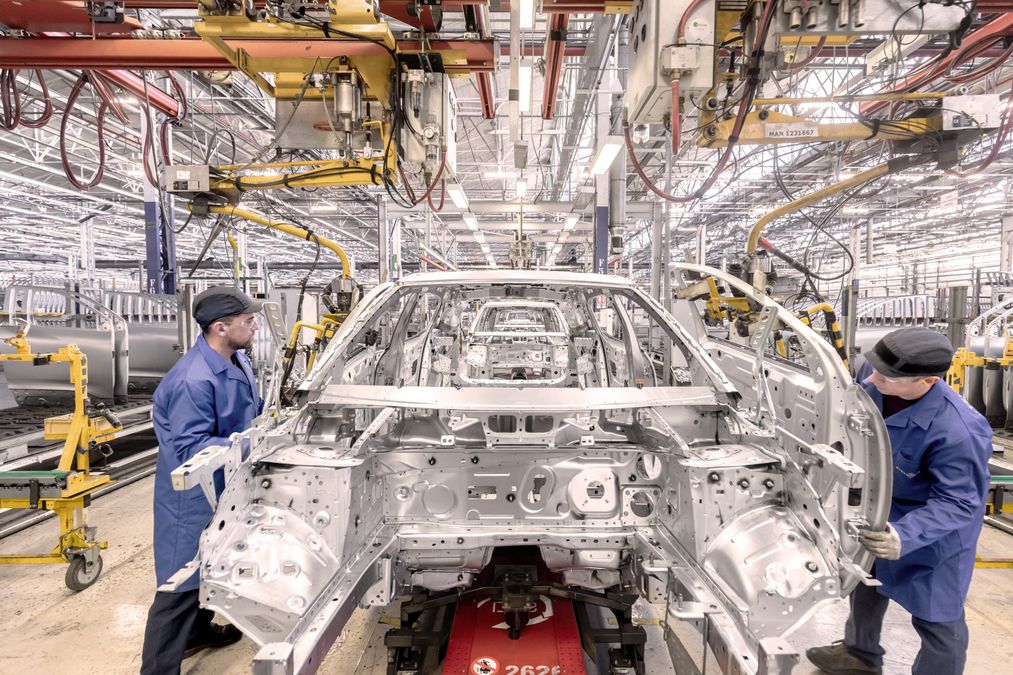
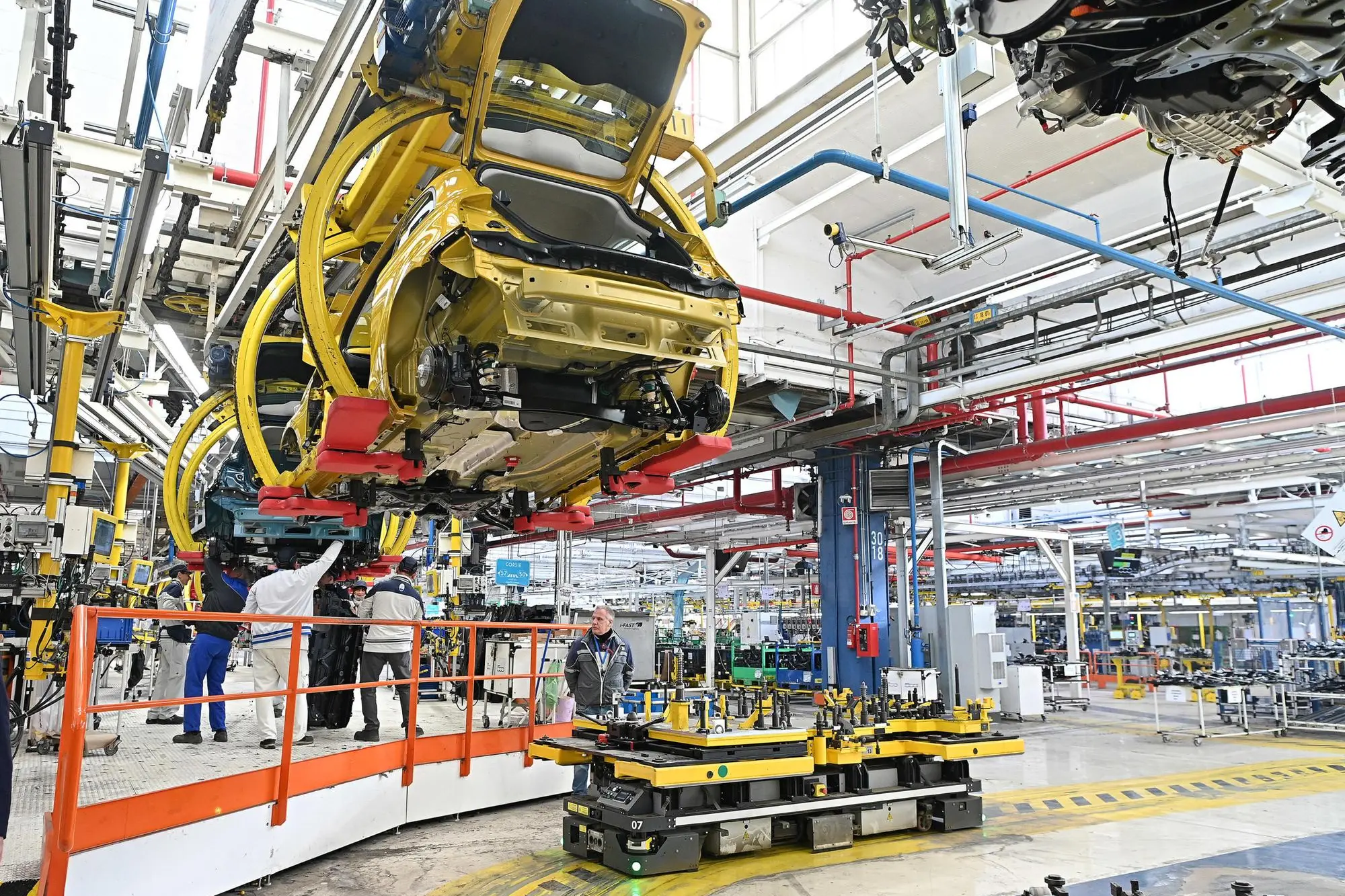
The logic is brutally simple. European assembly capacity is running cold. Stellantis has been slashing shifts and warning about plant closures across France and Italy, sitting on industrial real estate it no longer has the volume to fill. Dongfeng has the volume, the electric platforms, and the cost base.
Reuters has reported that Stellantis is pursuing partnerships with Dongfeng in Europe and with JLR in the United States — a two-continent strategy of importing Chinese capability into underused Western plants rather than shipping finished cars across tariff walls. For a French factory whose future was being measured in months, a Dongfeng sedan rolling off the line is not a humiliation. It is a stay of execution.
The Quiet Partner Steps Forward
Pause on how quickly the inversion happened. Dongfeng spent years as the silent half of the joint venture. Today it is showcasing its T1 platform and three hydrogen-powered vehicles at Hannover, courting Canadian regulators for an EV entry via a reduced tariff quota, and holding executive talks with Huawei that have already produced the Epicland brand and its X9 extended-range SUV. Its VOYAH marque is being positioned as the group's core listed entity as Dongfeng privatizes and delists.
This is not a supplier hunting a contract. This is a manufacturer with its own technology stack, its own battery roadmap — reports point to a 350 Wh/kg battery plan targeted for the fourth quarter of 2026 — and its own geopolitical ambitions.
Jeep's Electrified Heart, Made in Wuhan
The most pointed signal may come from Jeep. New Chinese-market Jeep EVs will run on Dongfeng batteries and, according to Carscoops, they are not staying home. A Stellantis brand — once the archetype of American off-road identity — will derive its electrified heart from a Wuhan supplier and then export that product outward.
Set that beside the French plant story and the pattern is unmistakable. Dongfeng is no longer content to be the local partner in someone else's European adventure. It is becoming the platform on which European brands survive.
Friction Ahead, Direction Set
None of this will be frictionless. Brussels is actively weighing tariffs and local-content rules designed precisely to slow this flow, and the politics of Chinese vehicles built by French workers in a French factory will be combustible in both directions — praised by unions defending jobs, condemned by those who see industrial sovereignty leaking away. Dongfeng's privatization adds another layer of opacity, concentrating strategic decisions in fewer hands just as its European exposure grows.
Yet the direction of travel is set. The Wuhan Open, which Dongfeng has sponsored for years, gave the company a presence in global sport. Its Hannover hydrogen display and Huawei partnership give it a presence in global industry. Building sedans at a Stellantis site in France gives it something more durable than either: a European manufacturing footprint acquired not by conquest but by invitation, from a host desperate enough to extend it.
The reverse takeover will not be announced with a press conference and a share swap. It will be announced quietly, one shift at a time, when the first Dongfeng sedan rolls off a French line wearing a European badge — and everyone realizes the joint venture has changed hands.