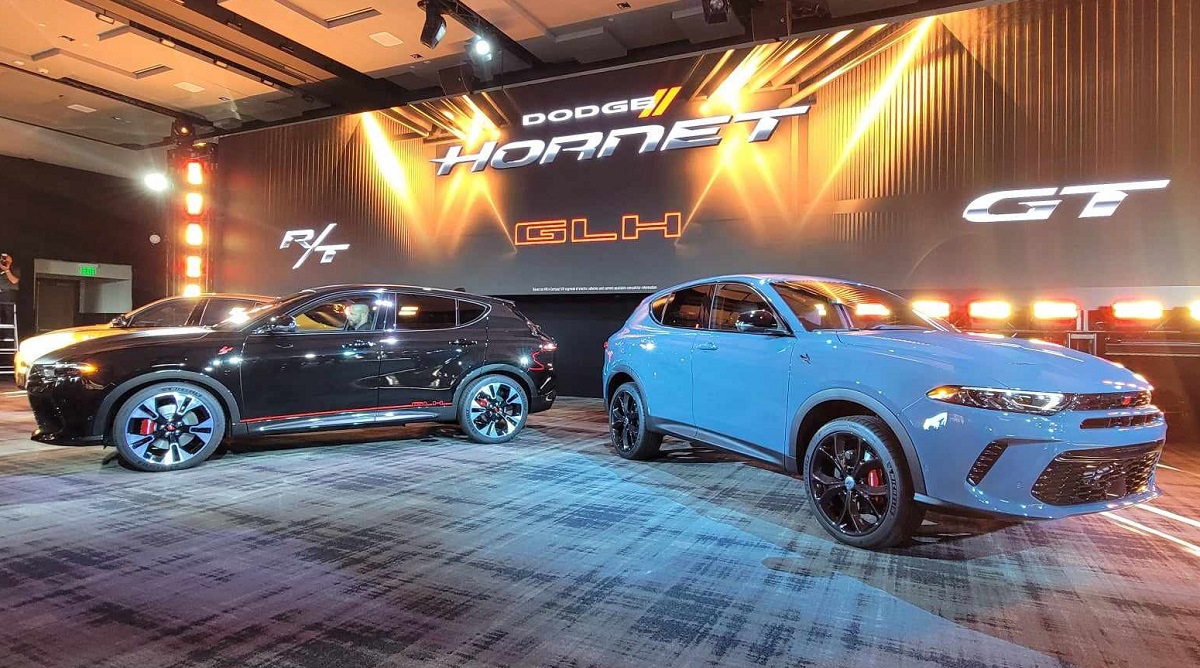
Some acronyms don’t need decoding. GLH. Three letters that once transformed a wheezy econobox into a back-road assassin, a boxy little Omni that embarrassed Porsches at stoplights and made insurance agents wince. That badge is coming back—but not on a car. On a compact SUV. And honestly? That’s the most Dodge thing Dodge could possibly do.
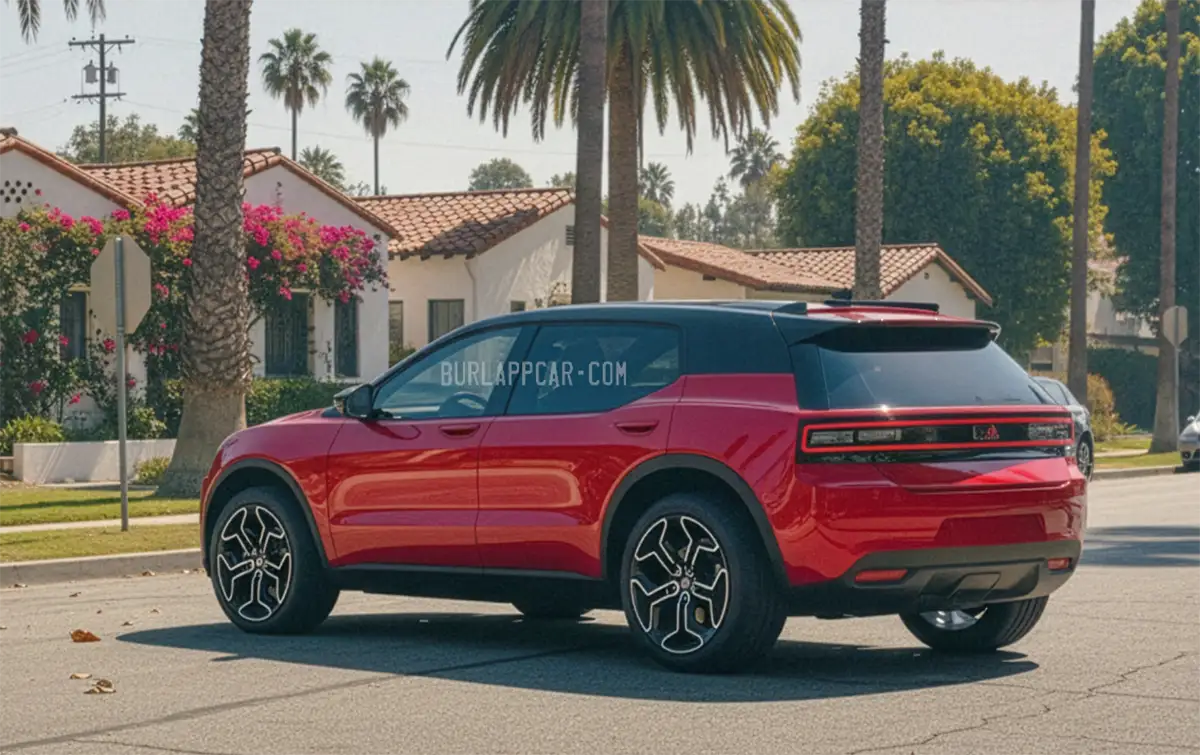
The 2028 Dodge GLH, teased via a MotorTrend rendering draped over the Hornet’s athletic little frame, isn’t a nostalgia act. It’s a eulogy. A four-door farewell to the traditional sedan, delivered in the body style that actually killed it. And buried underneath that upright greenhouse and pumped-up fender is a message: the sedan isn’t just dead. It’s been repurposed as a crossover and given a turbocharger.
Why the Sedan Never Stood a Chance
Let’s be honest about the Charger’s fate. Dodge’s last great sedan was always a beautiful lie—a four-door that wore the Challenger’s skin to hide its practicality, a muscle car that happened to have rear doors. It worked for a generation of buyers who wanted the V8 thunder but needed to pick up the kids. But even that trick couldn’t outrun the market’s gravitational pull toward taller, boxier, more versatile shapes.
The crossover won because it gives people what sedans never could: command seating, cargo flexibility, and that visual mass that reads as “capable” from across a parking lot. But here’s the dirty secret—crossover buyers still want the theater. They want the rumble, the punch, the feeling that they’re piloting something with a pulse. The GLH is Dodge’s answer to that contradiction. Take the Hornet’s sharp chassis, inject it with Hellcat-adjacent attitude, and slap on the most beloved badge in the brand’s scrappy history. The result? A miniature muscle SUV that makes the four-door irrelevant.
The logic is brutal. The original GLH weaponized a lightweight hatchback chassis. The 2028 model weaponizes a compact crossover platform. Same philosophy, different packaging—and the packaging is exactly what the market demanded.
A Nameplate That Rewrites History
Dodge isn’t just adding a sporty trim here. They’re resurrecting a cult icon and grafting it onto a crossover. That’s a cultural maneuver, not a product decision. The GLH badge carries the weight of an underdog story—a scrappy little hatchback that took on the establishment and won by virtue of sheer, turbocharged spite. By attaching it to the Hornet, Dodge is telling its loyalists that the spirit of the original was never about the body style. It was about the attitude.
That’s clever. Almost subversive, really. The platform that killed the sedan—the compact crossover—is now being blessed with the halo of a beloved hatchback. The message to purists is unmistakable: your preference is now a historical footnote. The future wears a crossover body and wears it proudly.
Rumor has it we’ll see the Hurricane twin-turbo inline-six under that hood, or perhaps a punchy plug-in hybrid variant. Either way, it’ll offer the kind of thrust that once defined the R/T badge, but with the seating position and cargo utility of a proper family hauler. The enthusiast who needed a daily driver and a weekend toy now gets both in one package. No sedan required.
The Last Gasp of Gasoline Greatness
Timing, as they say, is everything. With electrification looming and internal combustion under siege, Dodge is racing to squeeze every last drop of personality from its remaining gas-powered portfolio. The GLH is a volume play disguised as a halo car. It targets the buyer who wants a Hellcat but can’t justify the thirst or the price tag. It offers the *idea* of hell—the turbo lag, the torque steer, the sharp steering that keeps you honest on your favorite back road—in a more manageable, more affordable package.
And here’s the part that sedans could never deliver: it captures the young family demographic. Parents who remember the glory days of Mopar, who want to introduce their kids to that feeling from the back seat of an SUV. The GLH isn’t just a toy for the driver. It’s a generational handoff, a way to pass the muscle car torch without forcing the next generation into a low-slung four-door they’d never choose anyway.
The Verdict
The sedan’s death was already a foregone conclusion. But the GLH revival makes it a spectacle. This is Dodge taking the last vestige of its four-door heritage—the memory of a scrappy little hatchback that out-handled the establishment—and transforming it into the very thing that killed the establishment. It’s a bridge to a future where the line between muscle car and utility vehicle simply doesn’t matter anymore.
What matters is the badge on the grille. The torque curve under the hood. The smile it produces when you bury the throttle and feel that surge of boost push you back into the seat. The sedan era is over. Dodge has just stamped the final obituary with a tiny, turbocharged SUV that goes like hell. And honestly? We can’t wait to drive it.