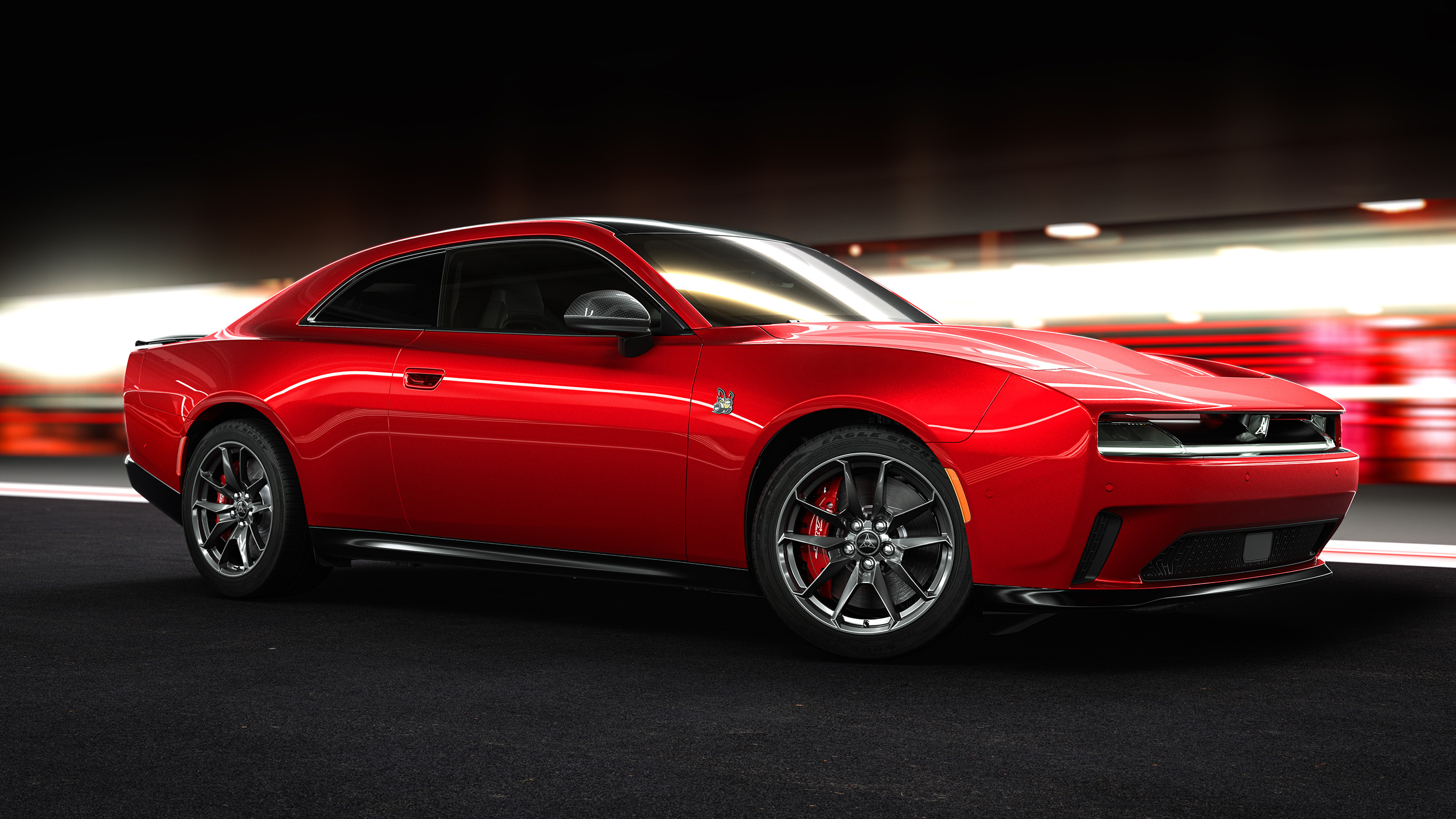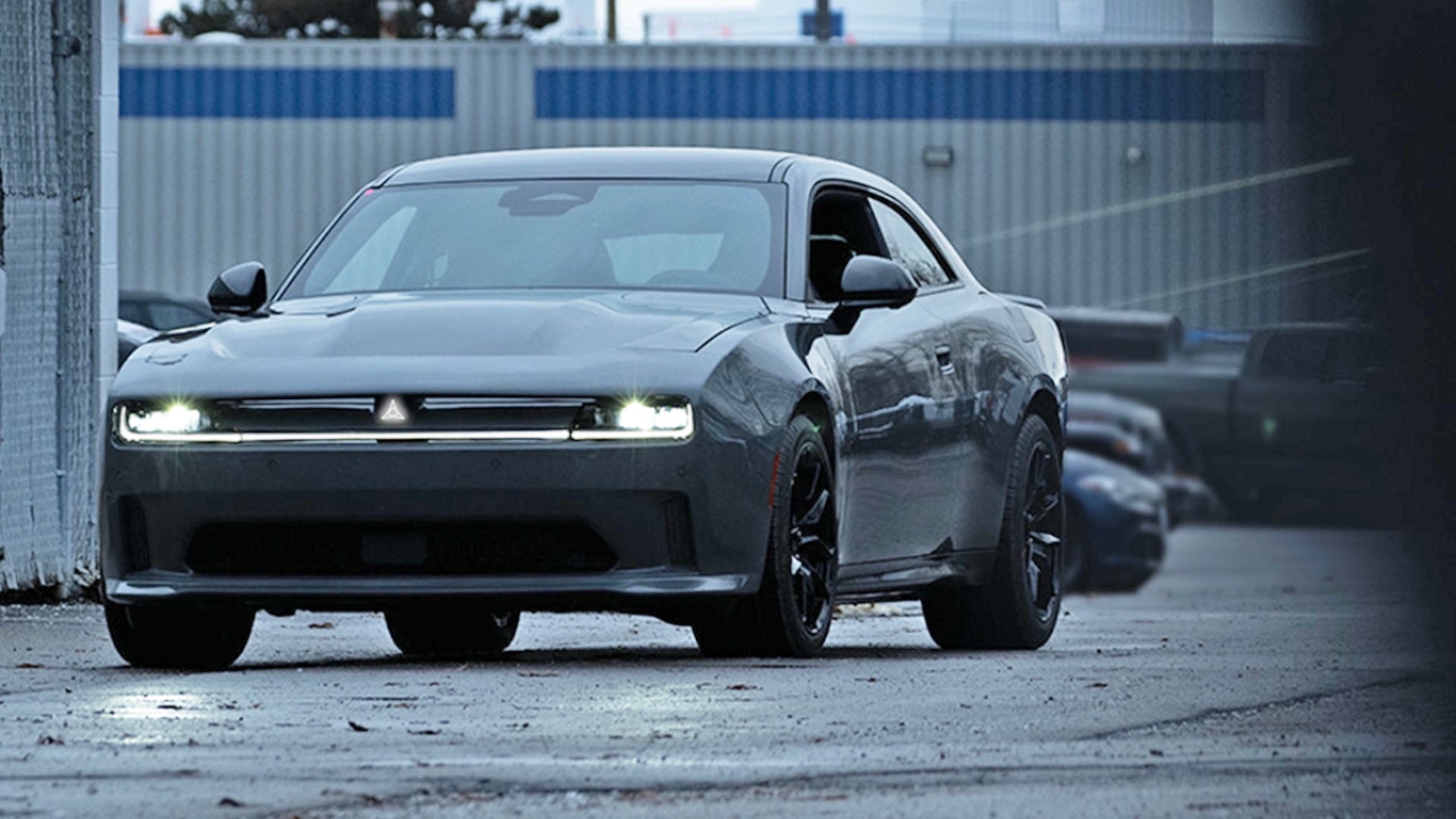
For decades, the Dodge Charger has been the quintessential American muscle car — big, brash, and powered by a thumping V8 that seemed almost deliberately at odds with European sensibilities. That era is over. The new Dodge Charger is not only coming to Europe, it is arriving with an engine configuration that would have been unthinkable in a Charger just a few years ago: a straight-six. And remarkably, the early verdicts from the British motoring press suggest it might just work.
The headlines tell the story. PistonHeads has declared the latest Charger "ready for Europe." Autocar, never a publication to hand out praise cheaply, ran a test piece under the provocative banner "don't buy that AMG just yet." Auto Express, meanwhile, admitted it could see exactly why Dodge had bothered crossing the Atlantic at all. This is not the reception a Dodge typically receives on European soil. Historically, the Charger was a curiosity here — admired for its presence, dismissed for its dynamics, and ultimately impractical in a market where fuel costs and narrow roads punish excess. The new car appears to have changed the calculus.
The Hurricane Heart
At the heart of this transformation is the Stellantis Hurricane straight-six, a twin-turbocharged unit that replaces the old Hemi V8. Purists will grumble, and they have every right to. The Hemi's rumble was part of the Charger's identity. But the Hurricane is no cynical downsizing exercise. It delivers comparable — in some trims, superior — power and torque while offering the refinement and efficiency that European buyers demand. The Charger Sixpack, as the EU-market variant is being billed, arrives for 2027 with a specification that reads less like a muscle car and more like a genuine grand tourer.
This is the crux of Dodge's European gamble. The Charger has not been softened so much as re-voiced. It still wears aggressive proportions, still carries the nameplate's unmistakable swagger, but it now speaks a language that European roads and European buyers can understand.
Re-Voiced, Not Softened
The straight-six is smoother than any V8 Dodge has offered, more tractable at low speed, and far better suited to the cut-and-thrust of a British B-road or a German autobahn. The flaws noted by evo and others — occasional chassis busyness, a cabin that still betrays its American roots — are the imperfections of a car making a genuine effort rather than a cynical rebadge.
There is a broader context here, too. Dodge's motorsport ambitions are quietly reinforcing the road-car narrative. The brand's exploration of engine options for a possible 2027 NASCAR Cup Series return signals that Dodge is not retreating from performance — it is redefining it. The Charger Super Bee Purple Haze liveries unveiled by Stewart, Hagan, and Pruett in NHRA competition show that the muscle-car spirit remains intact, even as the powertrain beneath it evolves. Dodge is not abandoning its identity; it is translating it.
A Contender, Not a Novelty
Whether European buyers will embrace a straight-six Charger in sufficient numbers remains to be seen. The continent is crowded with talented rivals, and badge snobbery is a real obstacle. But the early signs are unexpectedly encouraging. For the first time in a generation, the Dodge Charger is not arriving in Europe as a novelty. It is arriving as a contender — and that, more than any spec sheet, is the real story.
The Charger's journey from Hemi thunder to Hurricane sophistication is not a retreat from muscle-car philosophy but a recalibration of it. Dodge has always built cars that make a statement. The statement has simply evolved — from brute force to calculated precision, from defiance to dialogue. The straight-six Charger may not rumble like its ancestors, but it announces Dodge's intent with equal clarity: we are still here, still fast, and now, finally, speaking your language.