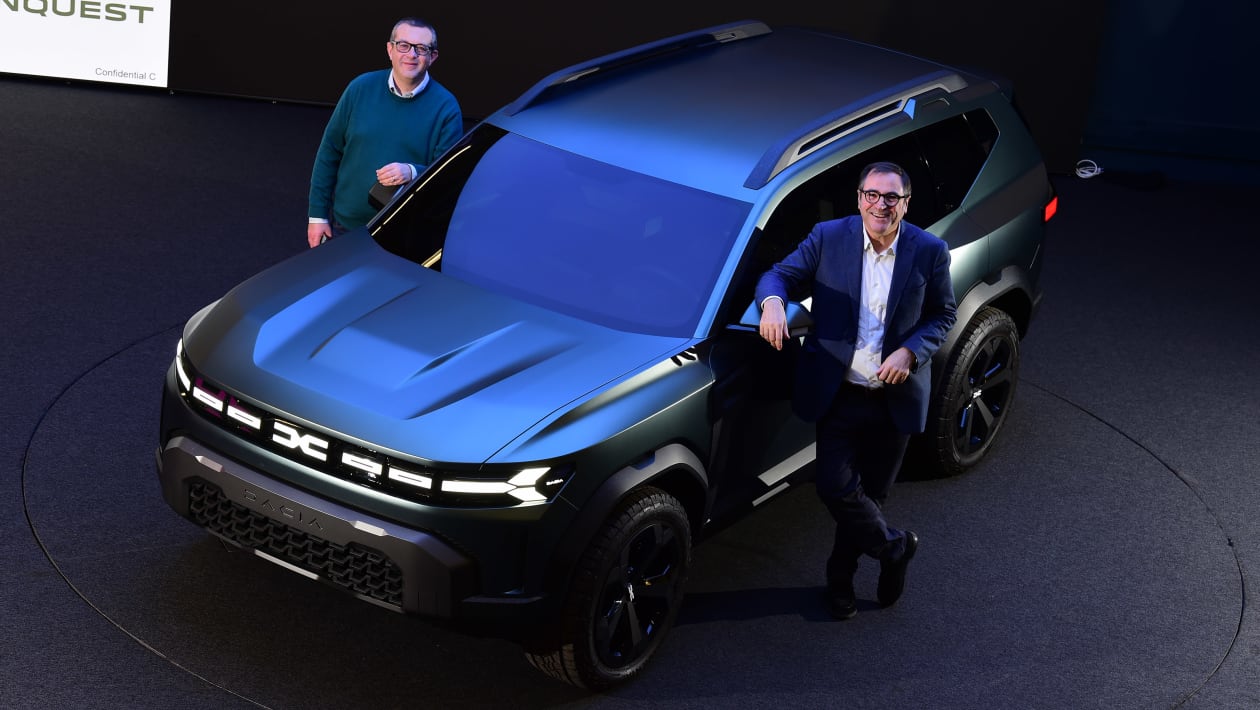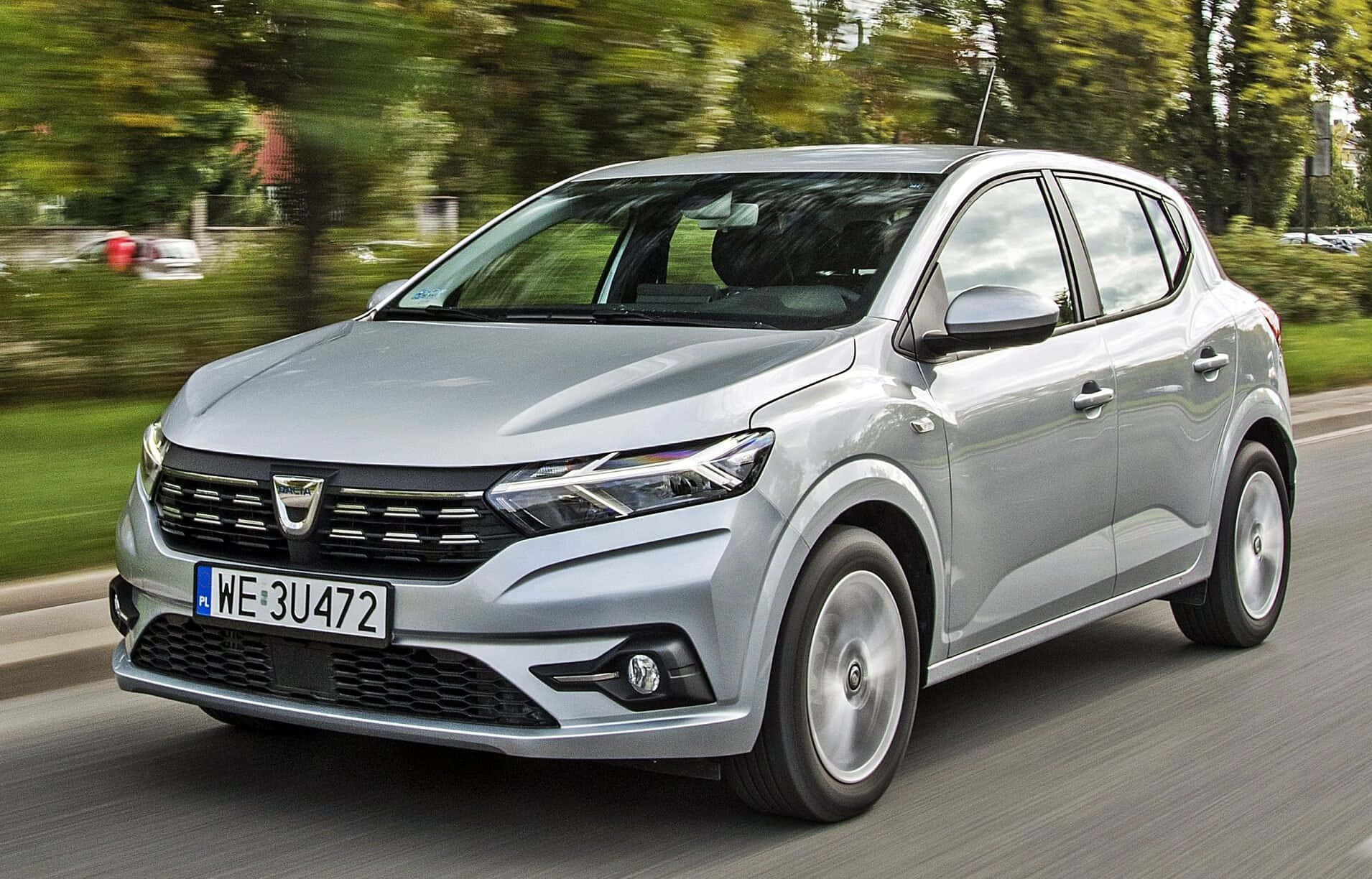
For the better part of a decade, Dacia has enjoyed an almost mythic status in European motoring. Its recipe was deceptively simple: strip away the frippery, ignore the badge snobbery, and deliver a brand-new car for the price of a decent used hatchback. The Sandero became a phenomenon—a budget hero that topped European sales charts not by accident, but by sheer, undeniable logic. Yet as the latest sales data trickles in from the continent and its eastern fringes, a new narrative is emerging. The Romanian value king is no longer the only monarch in the cheap seats. The crown is not falling, but it is most certainly slipping—and the force nudging it askew comes from the East, from China.
A Breach in the Castle Walls
The evidence is becoming too consistent to ignore. In Romania, Dacia’s home turf, the market has contracted violently—down 36.8 percent in August 2026—yet within that collapse, BYD has climbed to a striking 6.8 percent share. That statistic is more than a footnote; it is a symbolic breach of the castle walls. If Chinese brands can make inroads in Dacia’s own backyard—where brand loyalty and national pride should offer a protective moat—then the battle for the budget-conscious buyer is already being waged on multiple fronts.
The Sandero still holds the top spot in Europe, a testament to its enduring appeal. But holding a title is different from defending a territory. The margin for error is shrinking, and Dacia is suddenly facing an opponent that understands cost-cutting with the same ruthless efficiency, but with a newer powertrain playbook and a more aggressive digital sales model.
The Equipment Arms Race
The core of Dacia’s appeal has always been its pragmatic refusal to chase trends. It offered transport, not theatre. But the Chinese import offensive is challenging this very premise by offering something Dacia has historically avoided: standard equipment that feels unexpectedly modern. While Dacia has been careful to manage expectations with hard plastics and manual windows, brands like BYD are flooding the market with compact crossovers and hatchbacks that boast touchscreens, cameras, and electric powertrains at price points that undercut traditional European entry-level offerings.
The Sandero’s value equation was once unassailable because it had no true rivals. Now, a customer walking into a showroom with €15,000 to spend is no longer forced to choose between a bare-bones Duster or a used Golf. They can look at a Chinese import that offers a 360-degree camera as standard—and suddenly, the Dacia’s "deliberate simplicity" begins to look less like a philosophy and more like a compromise.
Electrification and Structural Strains
Dacia is not blind to this shift. The brand’s recent strategic roadmap, dubbed FutuREady, and the announcement of a second-generation Spring indicate a pivot toward electrification—a recognition that the low-cost ICE vehicle alone will not sustain the volume. The new Spring, which keeps its name but little else, is an attempt to reset the value benchmark in the electric city car segment.
However, the production pause in Romania due to a looming power crisis is a stark reminder of the structural vulnerabilities that Chinese manufacturers, with their vertically integrated supply chains and state-backed energy security, simply do not face. When Dacia stops building cars for over a week because the national grid cannot support the factories, the narrative of "cheap and cheerful" is momentarily replaced by "cheap and fragile."
There is also the uncomfortable reality of the brand’s sporting ambitions. The decision to can its Dakar off-road program—despite winning the gruelling rally—might be fiscally prudent, but it signals a retreat to the core. While enthusiasts mourn the loss of a plucky competitor, the more significant battle is being fought on the asphalt of urban commutes. The Sandero remains a brilliant product, but brilliance is a moving target. The Chinese are not just copying the Dacia formula; they are refining it with a level of technological integration that the Renault Group’s value arm has been slow to adopt.
The Road Ahead
The next eighteen months will be decisive. Dacia’s leadership insists that the brand’s ethos of "essential but cool" will see it through, and there is a certain charm in that stubbornness. But the European market is unforgiving. When the alternative is a Chinese EV that costs the same as a Dacia hybrid and offers a longer warranty, the concept of value becomes relative.
Dacia has won the last decade by being the smartest penny-pincher in the room. The brand that taught Europe that motoring doesn’t need to be expensive—or boring—now faces a challenge to its very founding principle. The question is whether it can out-pinch the masters of the game, or whether the Sandero’s reign will be remembered as the final, glorious gasp of European budget motoring before the Eastern tide truly came in. For a company that built its empire on doing more with less, the coming years will demand nothing less than its most ingenious cost-cutting yet—because the only thing more dangerous than a rival who copies your formula is one who improves upon it.