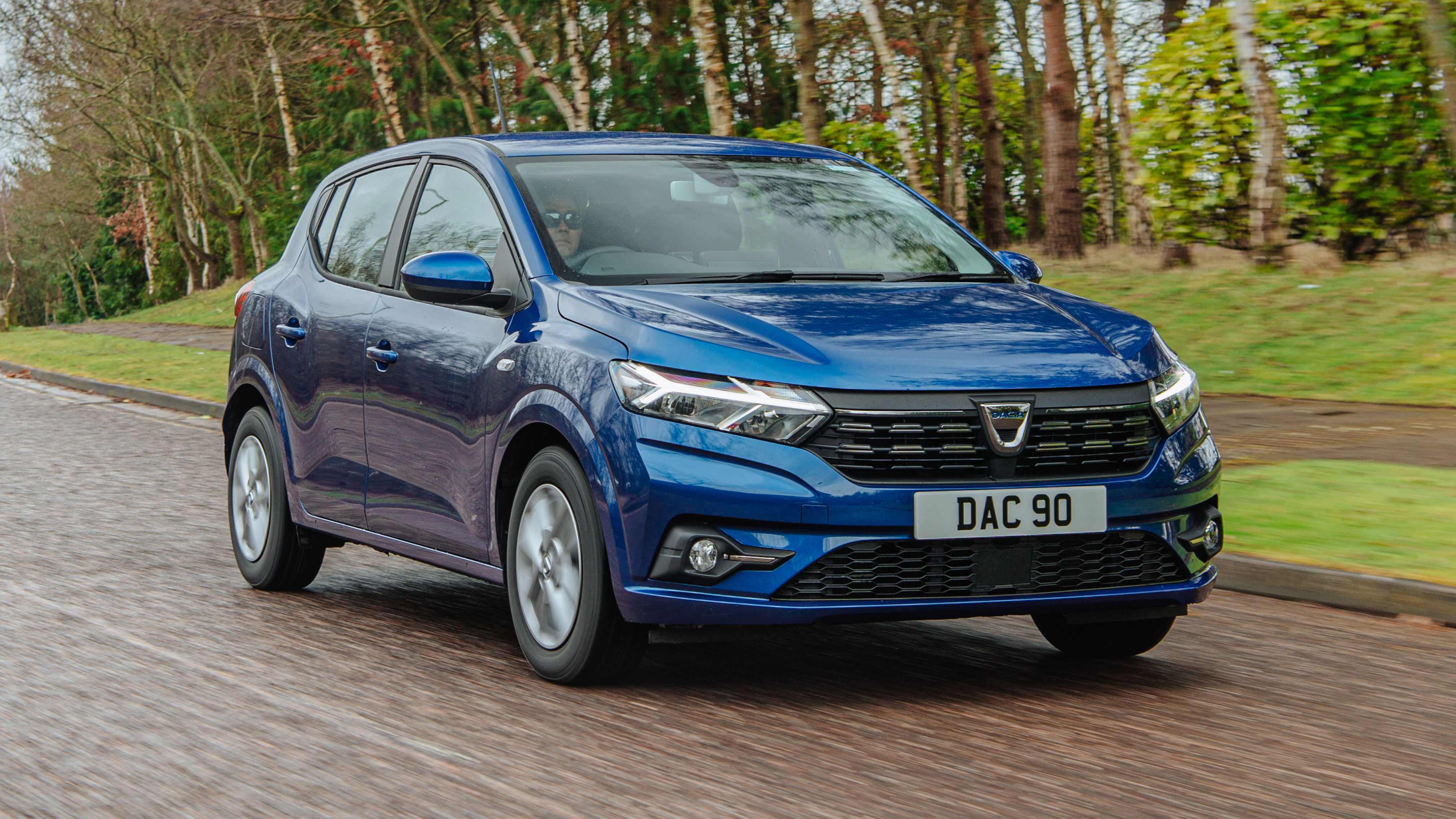
Dacia has spent two decades perfecting a deceptively simple proposition: give European buyers the essentials and nothing more, charge them accordingly, and watch the order books fill. That formula turned the Sandero into the continent's best-selling car — a feat the hatchback recently reclaimed, according to European sales data — and it made the Spring the unlikely poster child for affordable electrification. Yet the ground beneath Dacia is shifting, and the brand's next act, one that increasingly points toward sedans and larger, more expensive vehicles, may be its riskiest yet.
The contradiction is hard to miss. On one hand, Dacia's moment appears to have arrived: as household budgets buckle under persistent inflation, energy volatility and the lingering aftershocks of a cost-of-living squeeze, the cheapest credible new cars in Europe should be flying off forecourts. On the other, the company has temporarily paused production amid soft consumer demand — a signal that even the budget king is not immune to a market where buyers are simply refusing to commit. Cheap is no longer automatically synonymous with easy.
The Squeeze on the Core Customer
Part of the problem is structural. The affordability crisis that ought to favour Dacia is simultaneously squeezing its core customer. When financing costs rise and confidence falls, the people who once traded up from a used hatchback into a new Sandero now hesitate, repair the old car, or wait. Dacia's genius has always been selling aspiration in its barest form — mobility without pretension — but aspiration still requires a minimum of disposable income and optimism, and both are in short supply across much of Europe.
The Sedan Question
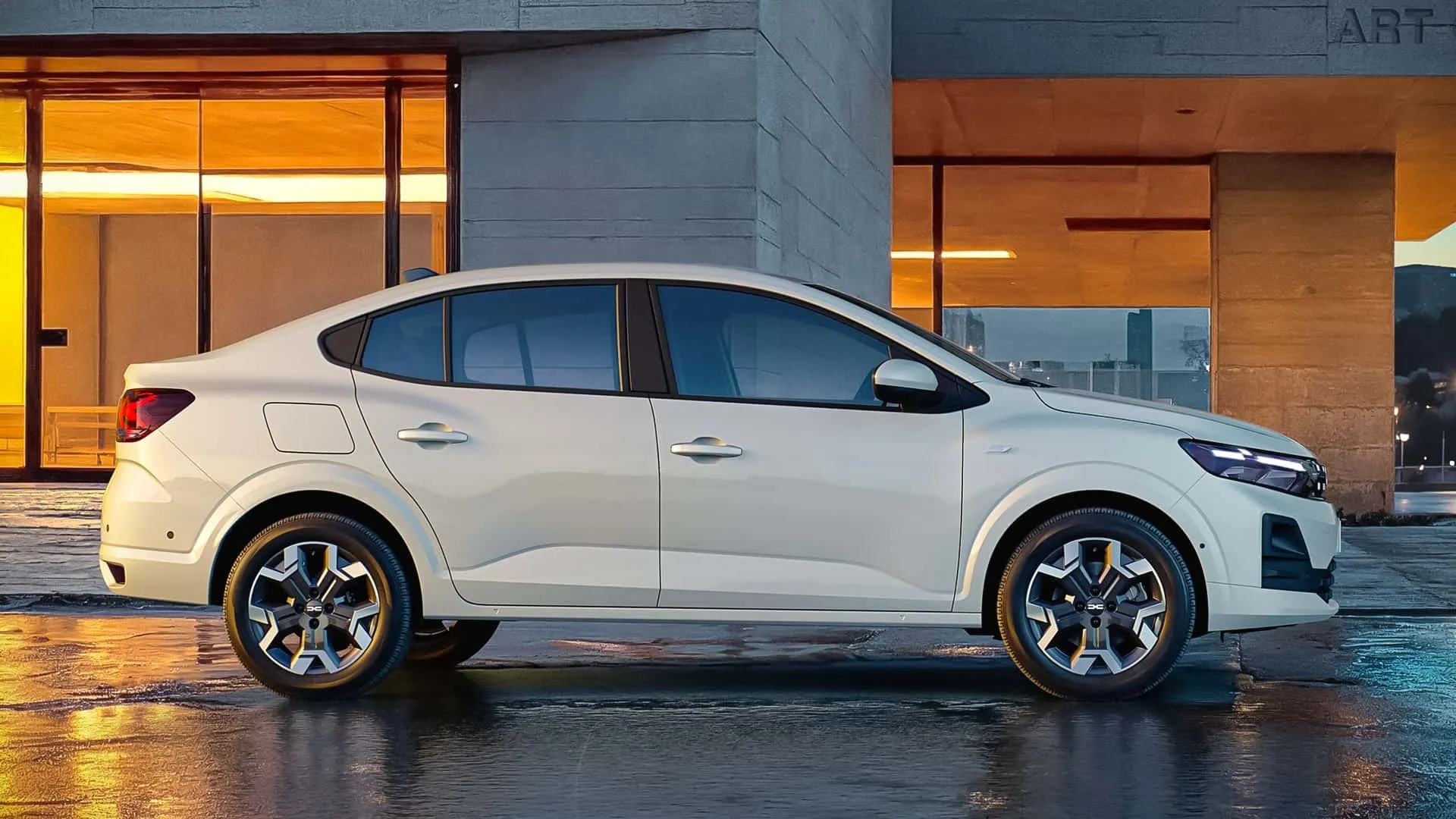
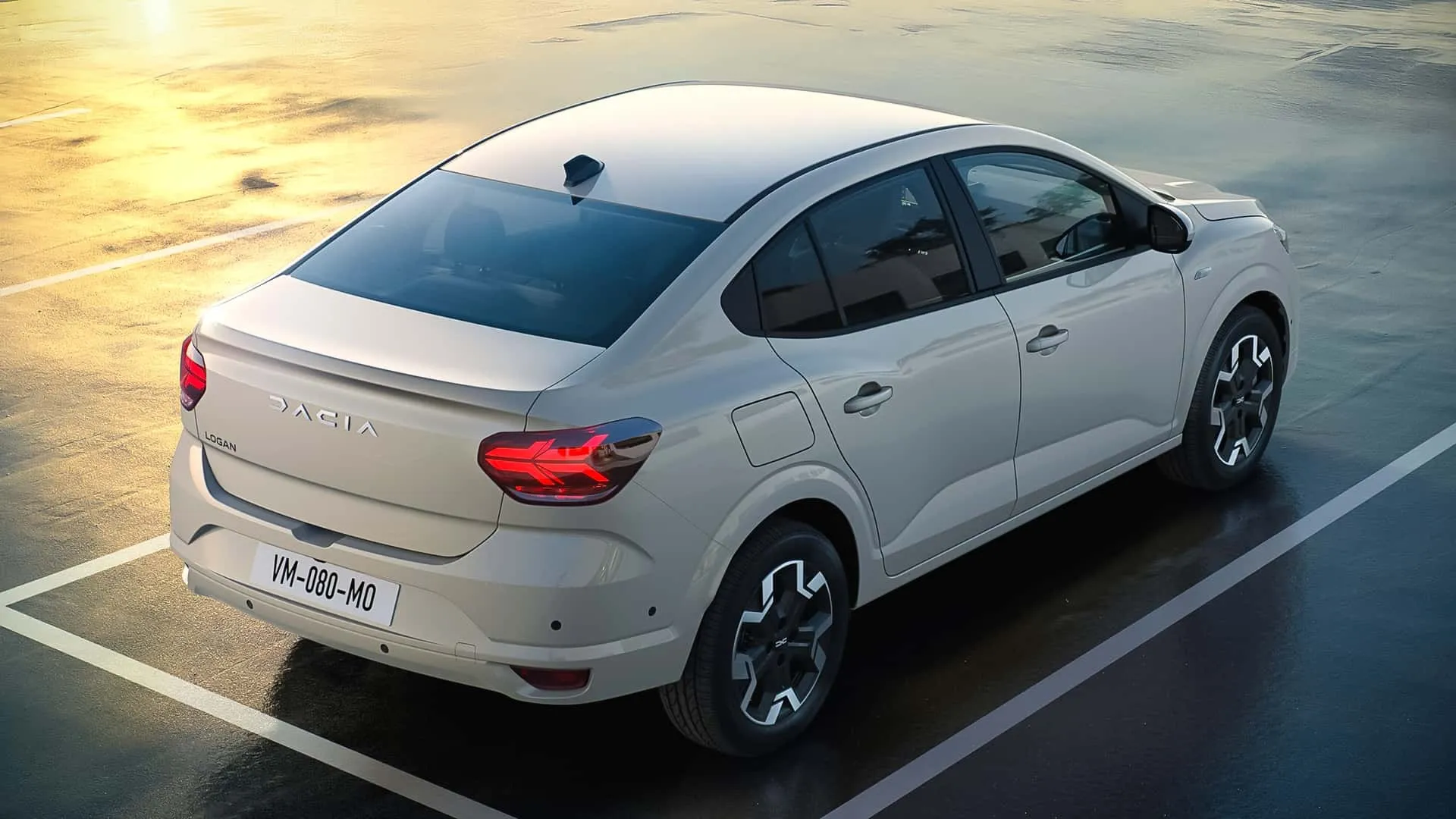
Into this uncertainty steps the sedan. Dacia's revival of the C-Neo concept and its public debut of the Striker at the Paris Motor Show suggest the brand is eyeing the traditional three-box silhouette as its next frontier, a segment it has largely ceded to mainstream rivals. A Dacia sedan makes theoretical sense: saloons remain popular in Central and Eastern Europe, in Turkey, and across emerging markets where boot space and perceived status still matter. But the sedan is also a more expensive car to build and to sell than a boxy hatchback, and every euro added to the price tag chips away at the very identity that made Dacia untouchable.
Stretching the Range, Stretching the Brand
The same tension runs through the entire range. The Bigster SUV, widely praised as an SUV without pretensions, pushes Dacia upmarket into territory where it must compete on more than price. The new-generation Spring, now slated to return production to Europe from China, faces the brutal arithmetic of European manufacturing costs against a sticker price that buyers expect to stay bargain-bin. Even the Sandero's sales crown comes with a warning: volume leadership at thin margins leaves little room for error when demand wobbles.
What Dacia is really testing is whether affordability can be a durable brand strategy or merely a cyclical advantage. In lean years, everyone wants a Dacia. In lean years, however, fewer people can afford even a Dacia — and the brand's push into sedans and larger SUVs risks abandoning the price-sensitive buyers who built it in the first place. Move too far upmarket and Dacia becomes just another mid-market marque stripped of its reason to exist; stay too cheap and it cannot fund the electrification and safety technology that regulation demands.
The Paris Motor Show reveal was a statement of intent, but intent is not demand. Dacia's sedan future will hinge on a delicate balancing act: convincing European buyers that a slightly larger, slightly pricier Dacia is still fundamentally a Dacia, while keeping the entry-level cars that made the badge a byword for value. The budget king can survive the affordability crisis — but only if it remembers that the crown was earned not by reaching higher, but by refusing to let go of the bottom rung.