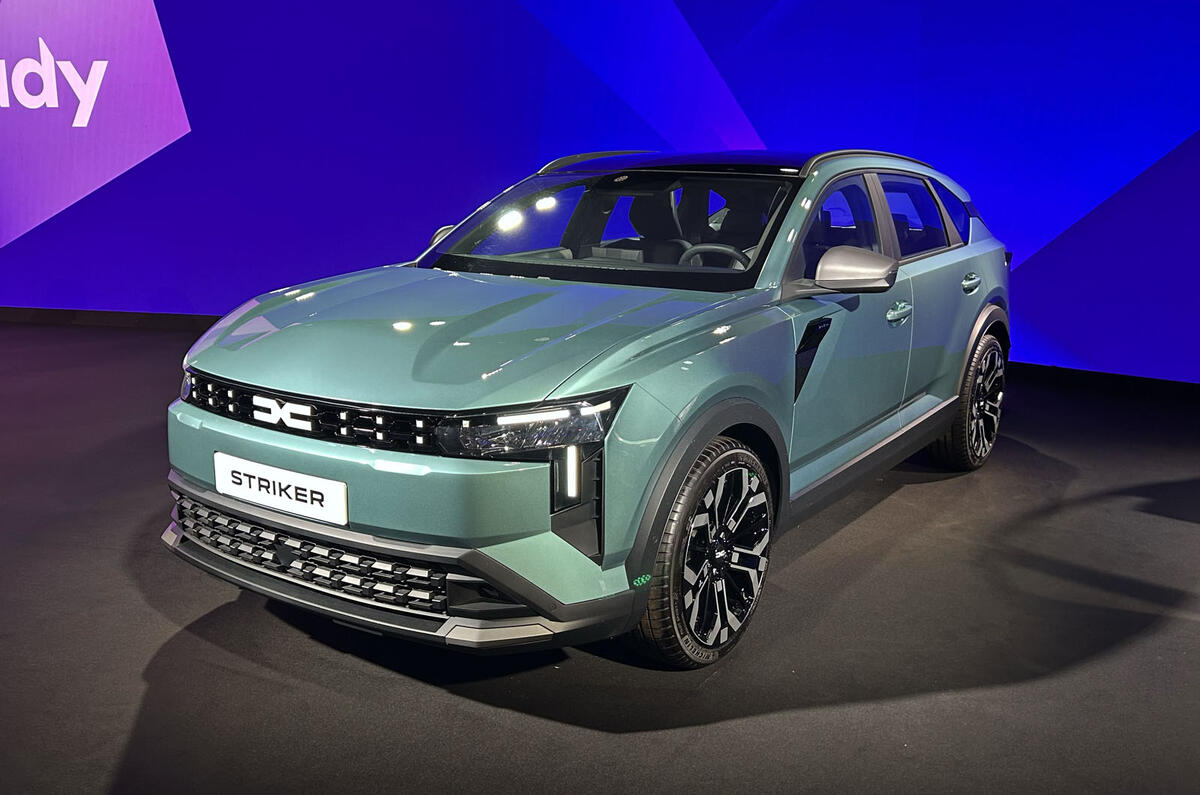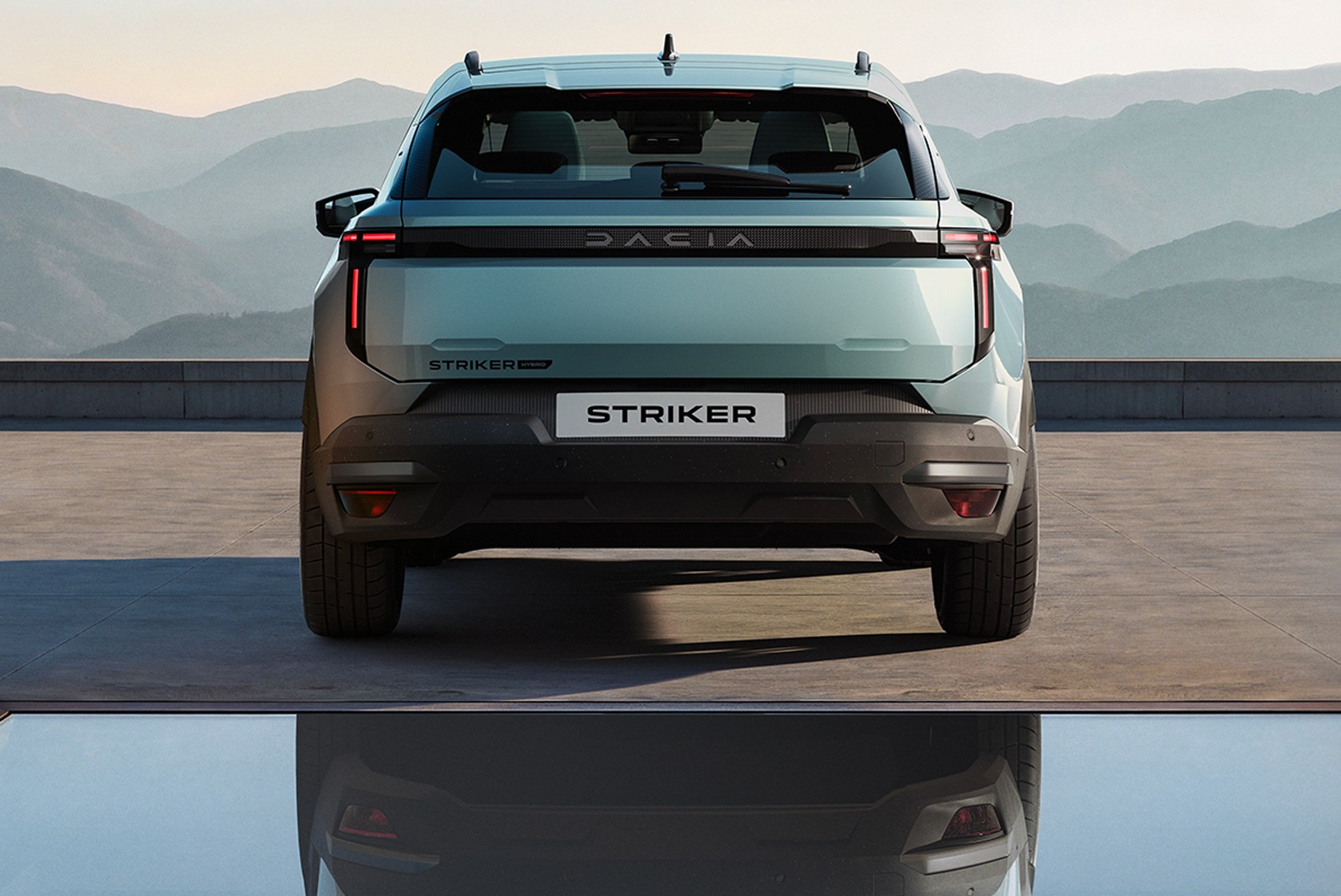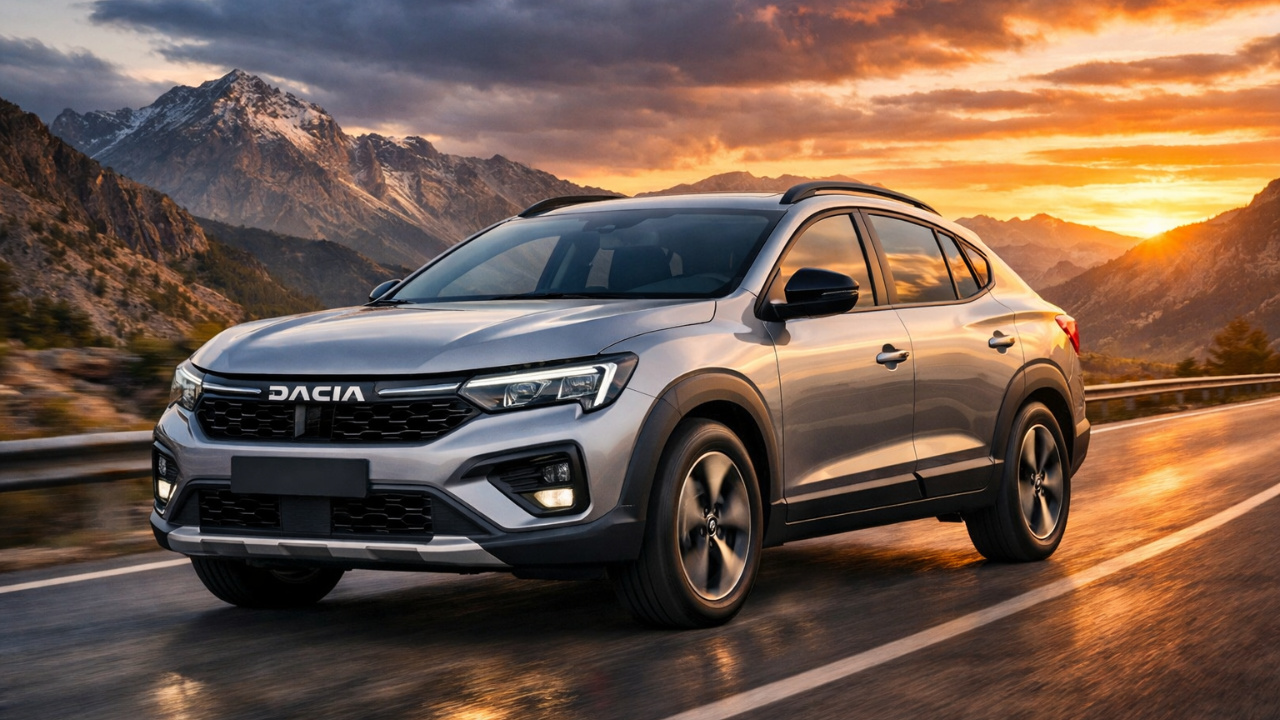
For years, the automotive establishment treated Dacia as a punchline — the brand you bought when you couldn't afford anything else, the Renault castoff that traded dignity for affordability. That condescension was always lazy. The Dacia Striker makes it look positively obsolete.
Here is a sedan that doesn't apologise for its price, doesn't dress up in false luxury, and doesn't ask you to make excuses. Instead, it does something far harder: it makes genuine engineering intelligence feel affordable. In a market where over-engineering has become the norm, that restraint is radical.
The Best of All Three Worlds
The Striker is, by Dacia's own framing, the best of all three worlds. That's marketing language, but unusually, it holds up. It borrows the raised seating position and generous ground clearance of an SUV, the boot capacity and rear-seat space of a traditional family sedan, and the running costs of a compact economy car.
In an industry obsessed with segment purity, the Striker simply refuses to pick one. The result is a shape that shouldn't work on paper — a slightly taller, chunkier three-box saloon — yet in metal it reads as purposeful rather than awkward. Dacia's designers have learned that honesty can be a design language.
A Cabin Built on What Owners Actually Touch
What makes the Striker genuinely clever is its refusal to chase features it can't justify. Where rivals load their dashboards with screens the size of tablets, Dacia has been openly studying which buttons owners actually press. That research, which has become something of an obsession for the brand, feeds directly into the Striker's cabin.
Physical climate controls remain. The essentials are intuitive. Nothing is buried three menus deep to satisfy a specification sheet. It's a cabin shaped by use rather than by brochure bullet points, and that discipline shows in every surface you actually interact with.
Lessons From Spring, Sandero, and Bigster
Underneath, the Striker benefits from everything Dacia has learned across the Spring, the Sandero, and the Bigster. The Spring proved that affordable electric mobility could find real buyers, even if its earliest iterations were built in China before production shifted back toward Europe. The Bigster proved Dacia could upsize without pretension.
The Striker takes those lessons and applies them to the most conservative body style of all — the sedan — which remains the default family car across much of Eastern Europe, North Africa, and beyond. That's not nostalgia. That's market intelligence. Dacia has read the room, and the room still wants a proper boot and a back seat that adults can use.
Engineering Under Real-World Pressure
The timing is instructive. Dacia's parent Renault Group used the Paris Motor Show to present a sprawling lineup of new models, positioning technological innovation as a tool for democratisation rather than a luxury tier. The Striker sits squarely inside that philosophy.
It also arrives as Dacia experiments with a forthcoming electric kei-car concept and navigates very real industrial pressures — including production stoppages tied to regional power crises. A brand this exposed to cost realities doesn't get to be frivolous. Every gram of the Striker's engineering has to earn its place, and that constraint is precisely what sharpens it.
Critics will still sneer at the plastics. They will note the modest power outputs and the absence of premium trinkets. They will miss the point entirely. The Striker's achievement is not that it feels expensive — it's that it feels considered. Buyers who need a sedan for a family, a business, or a long commute don't need ambient lighting. They need a car that starts, sips fuel, swallows luggage, and doesn't punish them at the service desk. The Striker delivers that with an integrity that more expensive machines often lack.
There is a quiet confidence to Dacia now, a sense that the brand has stopped defending its position and started defining it. The Striker is the clearest expression of that shift — a sedan that treats affordability not as a compromise, but as a discipline. Cheap, done this intelligently, stops being an insult. It becomes a strategy.
.jpg)