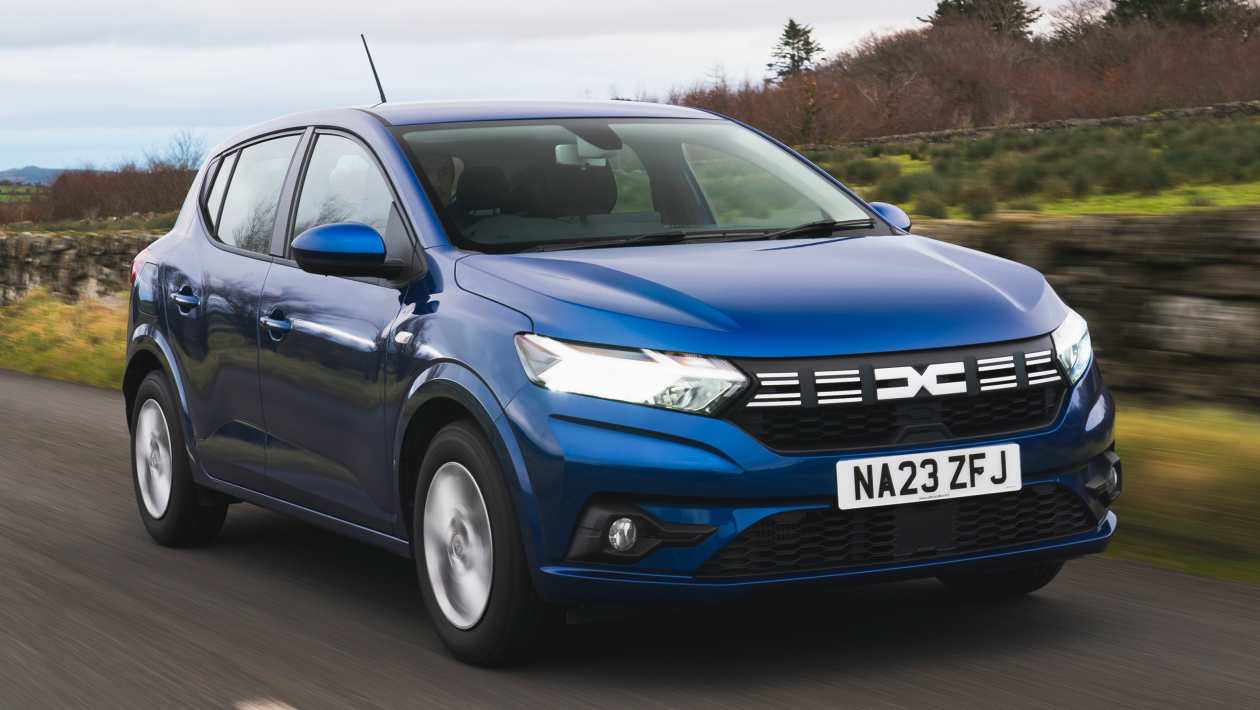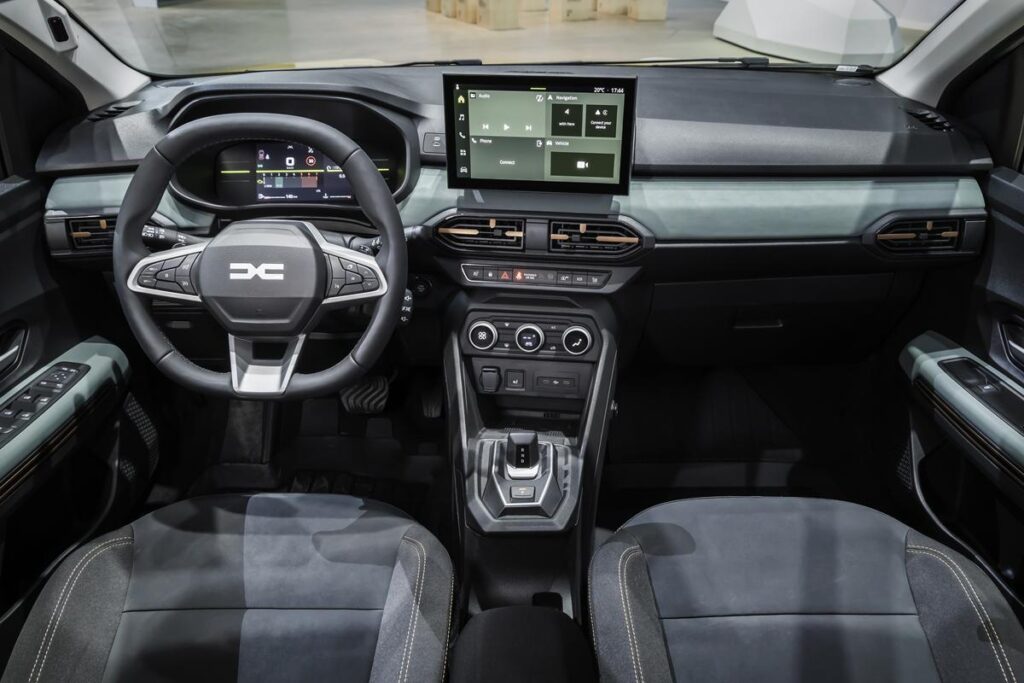
There is a quiet rebellion unfolding inside the cabins of Europe's best-selling car, and it has nothing to do with horsepower figures, screen sizes, or the ambient lighting palette. According to recent reporting, the button Dacia owners press most often is not the starter, not the hazard lights, and certainly not any of the touch-sensitive surfaces that have colonised the dashboards of rival machines. It is the physical climate control dial — a humble, tactile, endlessly rotating piece of plastic that does exactly what it promises, the instant it is asked.
That this qualifies as news says rather more about the state of modern car design than it does about Dacia. For the better part of a decade, the industry has been engaged in a slow-motion war on buttons. Volume knobs were exiled to touchscreens. Heated seat toggles were buried three menus deep. Ventilation direction, once the province of a satisfying little tab, became a drag gesture. The justification was always the same: screens are cleaner, cheaper, and more futuristic. The result, as any driver who has fumbled for the defogger at motorway speed will attest, is a cabin that looks like a tablet showroom and functions like a puzzle box.
The War on Buttons
Dacia, almost by accident, has become the antidote. The brand's engineering brief has never been about aspiration; it has been about utility, affordability, and the ruthless elimination of things that cost money without earning their keep. A rotary dial is cheaper than a capacitive touch panel. It is also more durable, more legible in sunlight, and operable without taking your eyes off the road. What the rest of the industry dismissed as backward, Dacia quietly recognised as optimal.
The most-pressed button in a Sandero or Duster is not a compromise. It is a verdict.
Where Dacia Is Heading
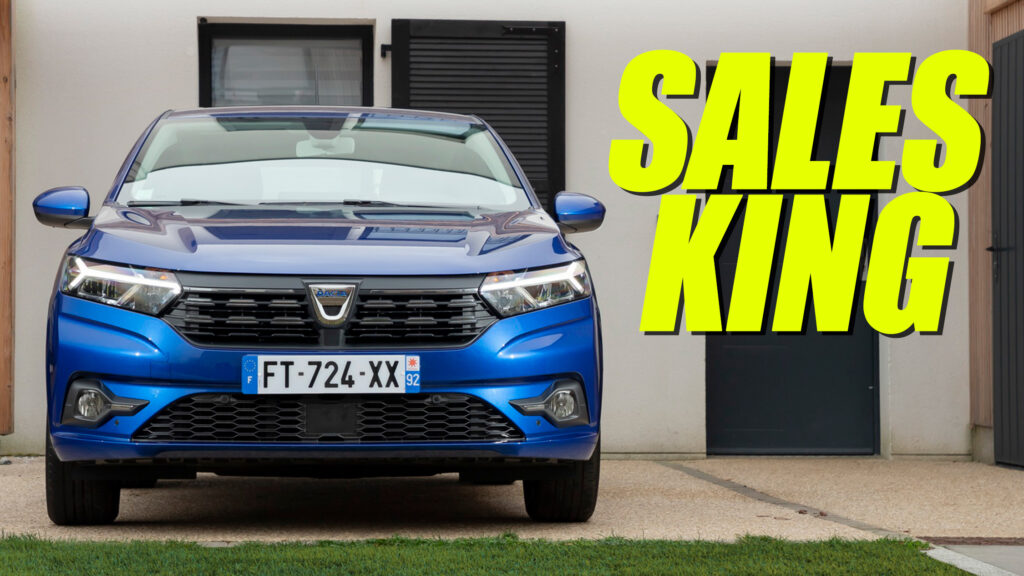
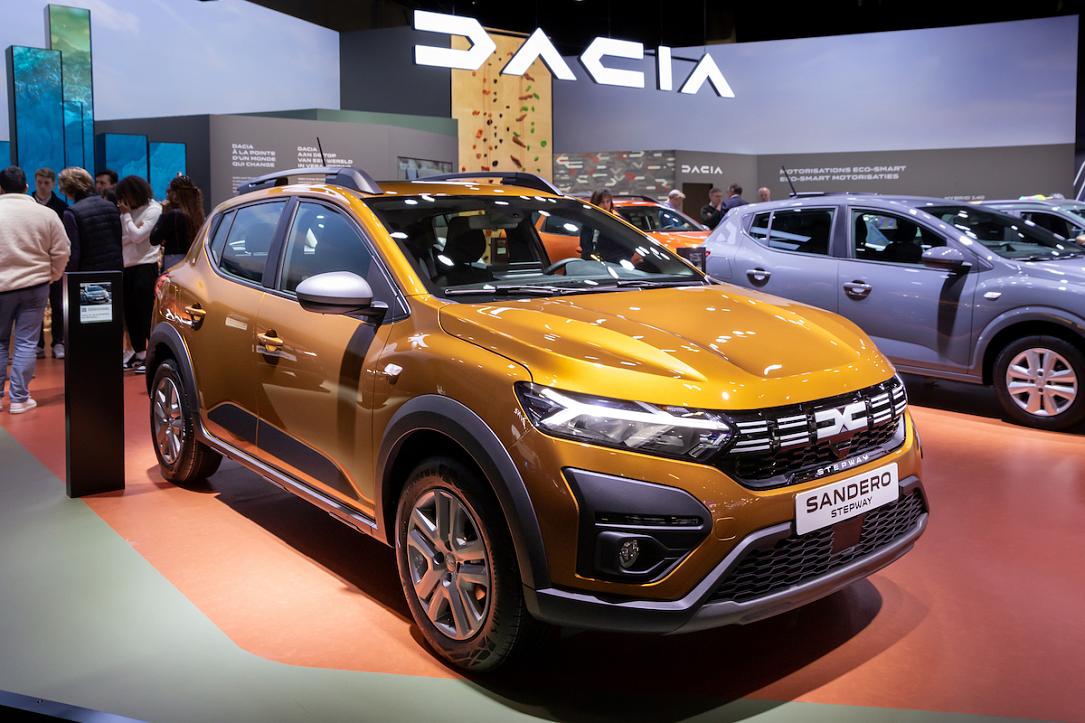
The irony sharpens when you consider where Dacia is heading. The new Spring has grown fatter and wider, yet still undercuts the £18,000 barrier — a figure that would have seemed impossible for a European-market EV only a few years ago. The Bigster arrives as a properly large SUV, and reviewers have tripped over themselves to praise it precisely because it refuses to pretend to be a luxury object. Meanwhile, the Sandero has reclaimed its crown as Europe's best-selling car, outselling machines with ten times its marketing budget. Citroën, watching this, has decided to chase Dacia's Stepway formula with its own outdoor-flavoured trim. Imitation, as ever, is the sincerest form of market research.
Fewer Bad Buttons
None of this is nostalgia for a lost analogue age. It is a correction. The touchscreen era promised seamlessness and delivered distraction; it promised simplicity and delivered subscription menus. What Dacia understood — and what the sales charts are now confirming — is that drivers do not actually want fewer buttons. They want fewer bad buttons. A dial you can find by feel while your eyes stay on the road is not a relic. It is the entire point.
So the next time a premium marque unveils a cabin with a 17-inch display and precisely zero tactile controls, spare a thought for the humble rotary knob in a car costing a third as much. It is pressed more often than any touchscreen shortcut ever will be, and it asks for nothing in return — no software update, no subscription, no learning curve. The button Dacia owners use most is the one that simply works. In 2025, that is not a small thing. It is the whole design philosophy, distilled into a single satisfying click.