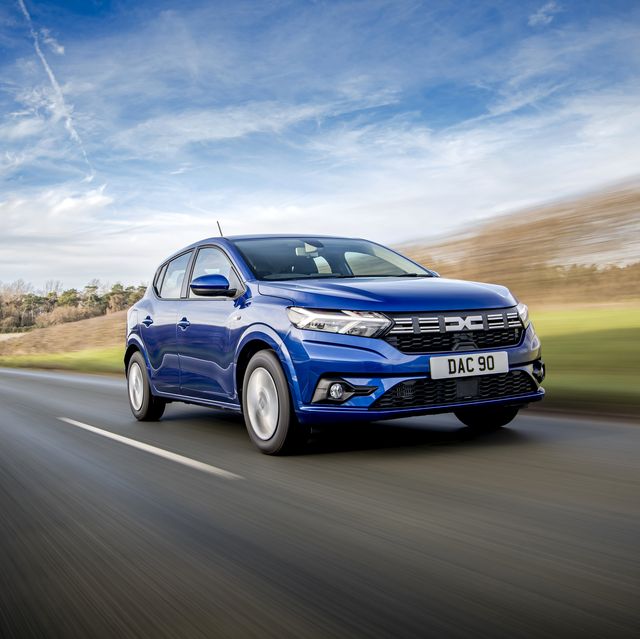
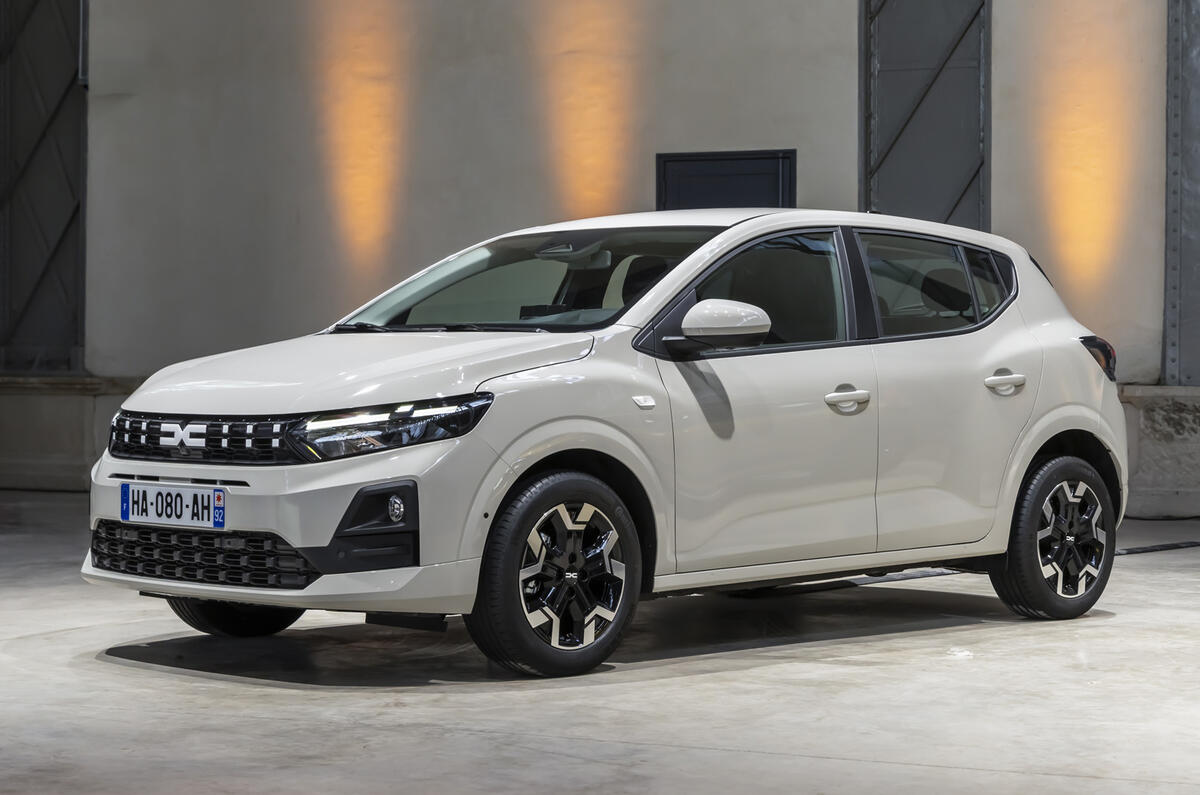
The numbers land like a verdict. In the latest European sales charts, the Dacia Sandero has reclaimed its throne as the continent's best-selling car — while the Tesla Model Y, the machine that was supposed to herald a new automotive order, has tumbled to 73rd. Read that again. The most talked-about car of the decade is being outsold by a Romanian-built hatchback whose defining marketing claim is that it costs less than everything else.
This is not a statistical blip. It is a referendum on what European buyers actually want, and the answer is emphatically not a status symbol.
For years, the industry's collective imagination has been captured by the premium electric crossover, the software-defined vehicle, the rolling statement of intent. Dacia, meanwhile, has been quietly perfecting a different argument: that a car is a tool, not a personality test. The Sandero starts at a price that makes rivals wince and accountants weep, yet it offers exactly what millions of households need — space, reliability, and a warranty that doesn't require a subscription. Its victory over the Model Y is not a triumph of one technology over another. It is a triumph of arithmetic over aspiration.
The Art of Ruthless Subtraction
What makes this moment remarkable is that Dacia is not winning by accident. The brand has spent a decade refining a philosophy of ruthless subtraction, stripping away features nobody asked for and refusing to apologise for the absence. Its CEO has been refreshingly blunt on this point: new car sales are falling across Europe because new cars have become too expensive, and the solution is not more technology but less of it.
That candour is its own kind of disruption. While competitors add screens, Dacia adds nothing — and charges accordingly. The result is a customer base that feels respected rather than upsold.
The Spring Reframes the Electric Conversation
The momentum extends well beyond the Sandero. The new Dacia Spring, now built in Europe rather than imported from China, has arrived bigger, better equipped, and still comfortably under the psychological threshold that makes electric mobility feel attainable rather than aspirational.
At a time when the average EV price remains stubbornly north of what most families can justify, the Spring reframes the entire conversation. It is not the fastest, the longest-range, or the most connected. It is simply the one you can actually buy. That distinction matters more than any specification sheet.
Expanding Upward Without Abandoning Principles
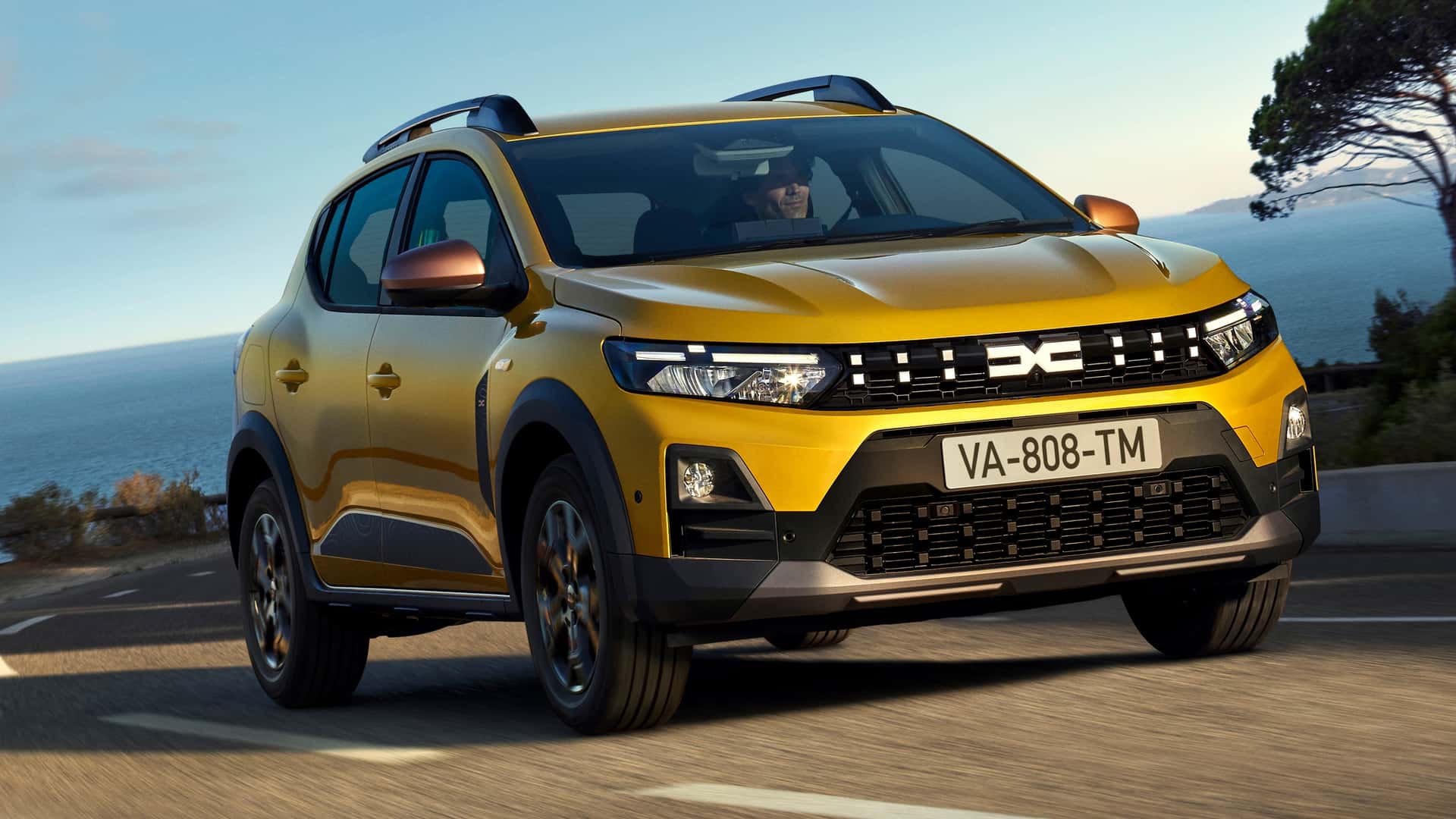
Meanwhile, the brand is expanding upward without abandoning its principles. The Dacia Bigster pushes into SUV territory with the same unpretentious logic, offering size and utility at a price that undercuts the establishment by a margin that borders on embarrassing.
Even the company's industrial footprint is evolving on its own terms: an 8.5-megawatt solar farm at the Romanian factory signals that frugality and ambition are not mutually exclusive. Dacia is not chasing the future. It is building it at a price the present can afford.
The Lesson the Industry Keeps Ignoring
There is a lesson here that the wider industry seems determined to ignore. The Model Y is a remarkable machine, and Tesla deserves credit for forcing electrification into the mainstream conversation. But the mainstream, it turns out, does not want a conversation. It wants a car — one that starts, carries the family, and doesn't require a second mortgage or a philosophy degree to operate.
The Sandero delivers precisely that, and Europe has responded by buying it in numbers no marketing department could manufacture.
The cheapest car on the lot is now the most important one in the market. Not because it is clever, or fast, or futuristic, but because it understands something the rest of the industry has forgotten: that affordability is not a compromise. It is the whole point. Dacia has been saying this for years. Europe has finally started listening — and the sales charts are beginning to sound like an endorsement.