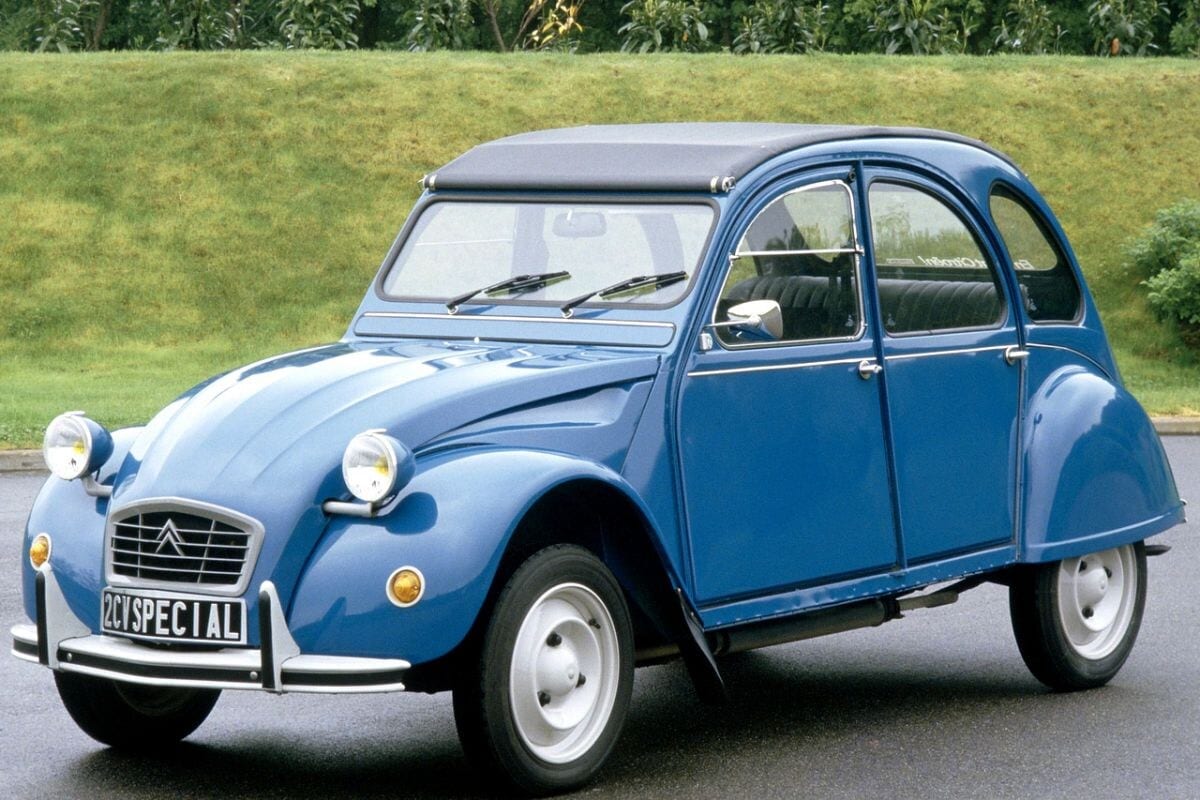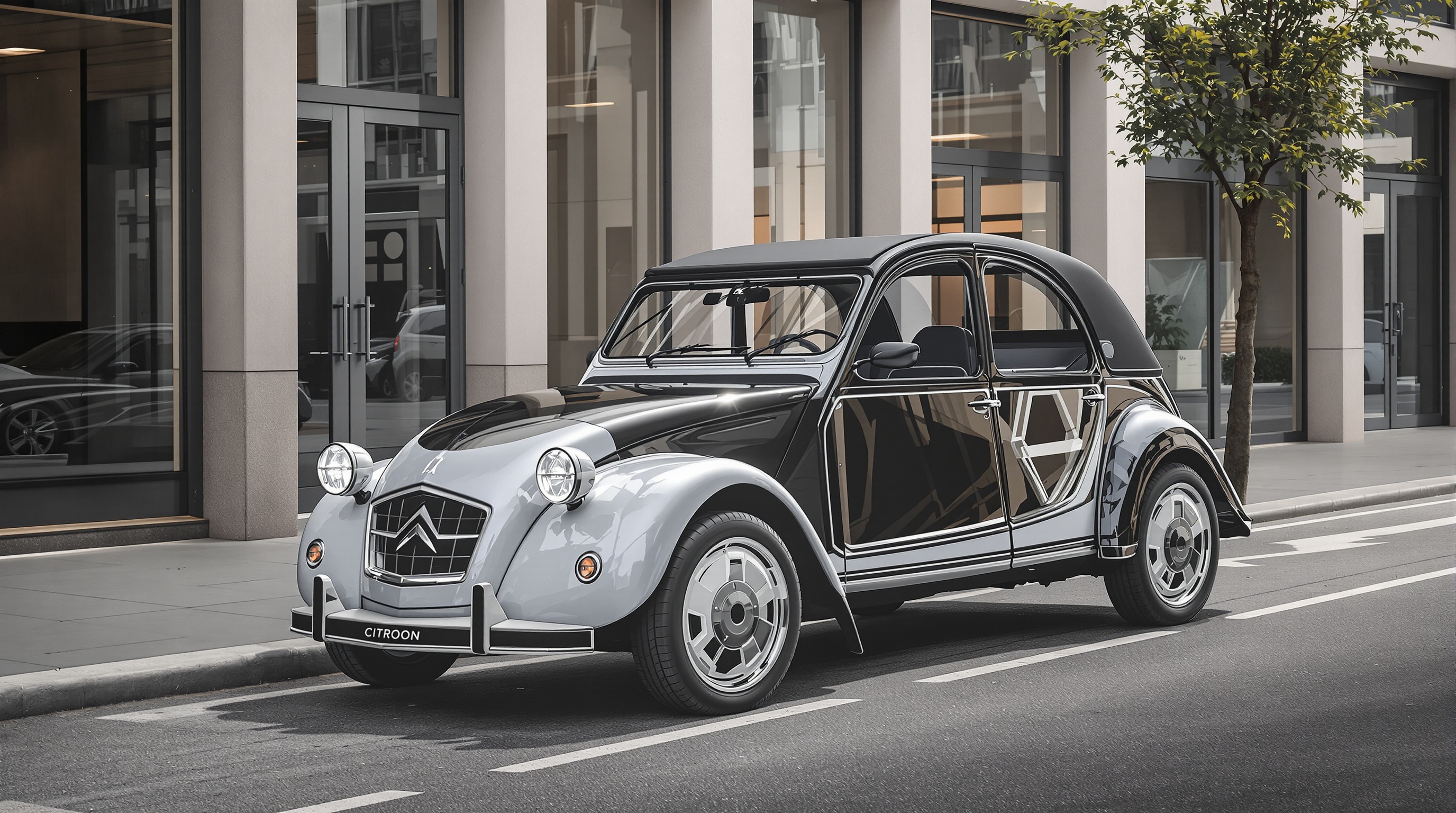
Citroën has never been a company content to compete on the terms set by everyone else. The 2CV, the DS, the Traction Avant — each was an argument that motoring could be rational, comfortable, and quietly radical all at once. So when word arrives that Citroën intends to revive the spirit of the 2CV in the form of an $18,000 electric car, the temptation is to read it as heritage bait, a nostalgia play aimed squarely at the people who already own a battered Charleston and a shelf of model cars.
That reading would be a mistake, and Citroën's leadership surely knows it. The $18,000 EV cannot survive on sentiment. It has to steal buyers from the compact sedan and crossover market, and it has to do so on cold, rational terms.
The Arithmetic That Governs the Segment
Consider the maths facing the buyer cross-shopping a modest three-box sedan or a small crossover. They are not dreaming of postwar France. They are calculating monthly payments, insurance, charging costs, boot space, and whether the thing will embarrass them in the office car park.
An $18,000 price point is genuinely disruptive in that context. It undercuts the entry price of most mainstream EVs by a wide margin, and it lands in territory where the only real competition is a used car. That is the seduction Citroën must engineer: not "remember the 2CV?" but "why would you pay more for less?"
The original 2CV won its public on exactly that logic. It was cheap, it was tough, it was comfortable on terrible roads, and it asked nothing of its owner's ego. A modern reinterpretation that leads with those virtues rather than with twee retro cues could genuinely unsettle the segment.
Charm Is a Trap If It Becomes the Pitch
The risk is that Citroën overplays its hand on charm. The automotive internet is already thick with 2CV worship, from the auction of the Eendenmuseum's 300 examples to the endless retelling of the 1966 Monte Carlo Rally controversy, when a Citroën was classified first despite finishing fifth.
That history is a wonderful thing, but it is a trap if it becomes the pitch. Nostalgia buyers are a finite, ageing cohort, and they do not buy new cars in volume. The $18,000 EV needs first-time buyers, urban families, and fleet operators — people who have never heard of the M35 and do not care. If the marketing leans on whimsy, the car becomes a curiosity, and curiosities do not scale.
Heritage and Strategy Are Not the Same Thing
There is, fortunately, evidence that Citroën understands the distinction. The brand's recent moves — the C3, C3 Aircross, and Ami dressed in the new Outdoor cross signature, the deliberate positioning of the C5 X as a comfort-first alternative to conventional saloons and SUVs, the push into Formula E with a refreshed livery and a new sporting organisation under team principal Beth Paretta — all point to a company trying to be contemporary rather than quaint.
Motorsport and rugged trim packages are not nostalgia. They are credibility tools, and Citroën is deploying them with a discipline that the 2CV revival will need to inherit.
The Most Conservative Customer in the Market
The harder truth is that the compact sedan buyer is the most conservative customer in the market. They want range figures they can trust, a warranty they can lean on, and a dealer network that answers the phone.
Citroën's challenge is to wrap those unglamorous assurances inside a package that still feels like a small act of rebellion — the same trick the original 2CV pulled off by being so obviously, cheerfully different from everything else on the road. An $18,000 EV that is merely cheap will be ignored. An $18,000 EV that is cheap, honest, comfortable, and slightly strange will be talked about, and talking is what sells cars at this end of the market.
The Eendenmuseum auction and the rally trivia will keep the enthusiasts busy, and rightly so. But the future of Citroën's boldest modern gamble will be decided in showrooms by people who have never owned a classic and never will. If the new 2CV spirit can seduce them on practicality first and personality second, Citroën will have done something rare: revived a legend without embalming it.