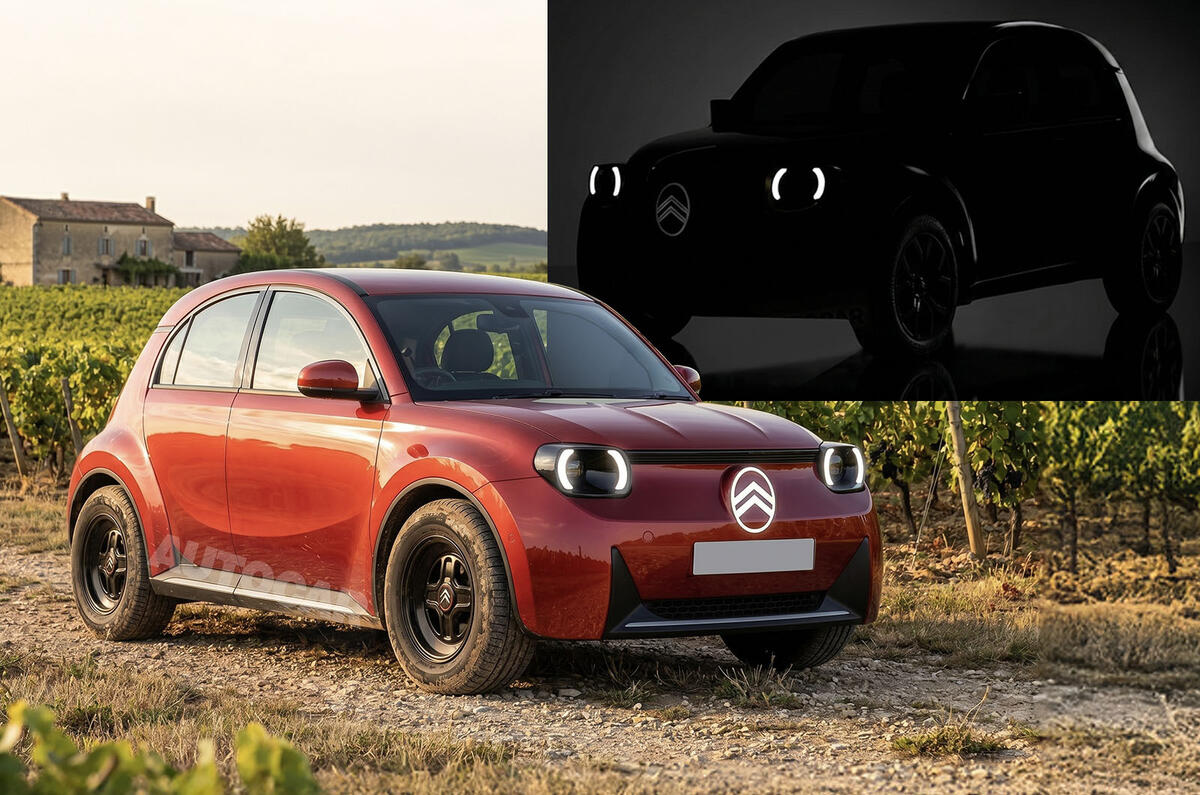
Citroën is about to do something it hasn't attempted in decades: revive a legend on purpose. The teaser campaign for a new electric 2CV, culminating in a reveal in mid-October with a promised sub-€15,000 price tag, has been met with the kind of giddy coverage usually reserved for flagship supercars. Hagerty reports the newcomer will go "full retro, but with electric power." The Autopian calls it "pretty fun and hopefully cheap." Autocar has already published first looks. For a brand that has spent twenty years chasing volume with forgettable hatchbacks, the prospect of a genuinely characterful, affordable Citroën is intoxicating.
But the real obstacle facing this revival is not the electric powertrain, the battery cost, or the regulatory maze. It is the ghost of Citroën's own sedan legacy — the long, comfortable, hydropneumatically suspended grand routières that once defined the marque and that the company has spent a generation actively forgetting.
What the 2CV Actually Was
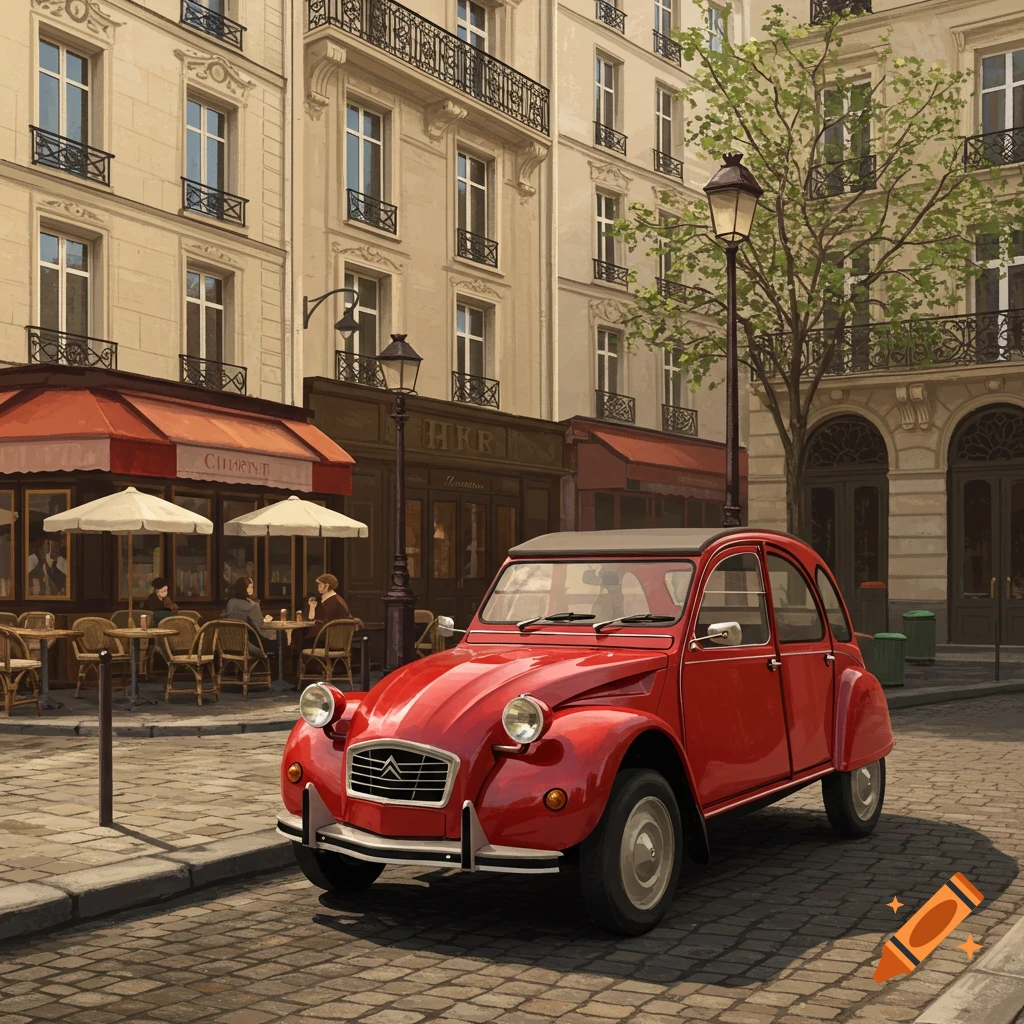
Consider what the 2CV actually was. It was not a cute retro bauble. It was a utilitarian answer to a specific postwar question: how do you motorise a rural nation with almost no money? The Traction Avant before it, and the DS after it, were the sedans that carried Citroën's engineering ambition. The DS 19 of 1955 was arguably the most technically advanced production car in the world — hydropneumatic self-levelling suspension, disc brakes, directional headlamps, a fibreglass roof. The CX and XM continued that lineage. The C6 of 2005 was the last stand: a large, wafting, idiosyncratic executive express that sold in pitiful numbers and was quietly euthanised.
That is the legacy the new 2CV must contend with, and it is a far more awkward inheritance than any battery chemistry problem.
A Brand Hedging in Every Direction
Citroën's recent news cycle tells the story of a brand hedging in every direction at once. There is an OUTDOOR cross signature rolling out across the C3, C3 Aircross, and Ami. There is a Formula E programme with a new Team Principal and a GEN4 livery. There is a Paris Motor Show booth promising that "life feels better." And now, a retro electric 2CV with a sub-€15,000 promise. That is not a coherent product strategy; it is a scattergun.
The 2CV revival's actual rival, then, is not the Dacia Spring or the Renault 5 E-Tech. It is the memory of what Citroën used to mean when it built proper cars for grown-ups. A cheap electric retro hatch can generate headlines, but it cannot restore the brand's identity if the company no longer knows how to build the kind of car that once earned it.
Genius, Not Nostalgia
The M35 — the prototype that wedged a rotary engine into an M35-bodied 2CV, as Hagerty recently recounted — is a reminder that Citroën's genius was always slightly unhinged engineering, not marketing nostalgia.
There is a cautionary tale closer to hand. The Eendenmuseum's 300 2CVs heading to auction will test depth, not rarity, as Yahoo Autos notes — a reminder that the model's cultural weight rests on volume and ubiquity, not exclusivity. A new 2CV that is merely cute will not carry that weight. It needs to be genuinely clever, genuinely cheap, and genuinely Citroën.
The Work Ahead
The sub-€15,000 price point is the right instinct. But the new 2CV will only succeed if it is understood as the beginning of something — a return to building cars with real ideas — rather than a nostalgic curtain call for a company that has already sold its soul to the crossover. The electric powertrain is the easy part. Relearning how to be Citroën is the work.