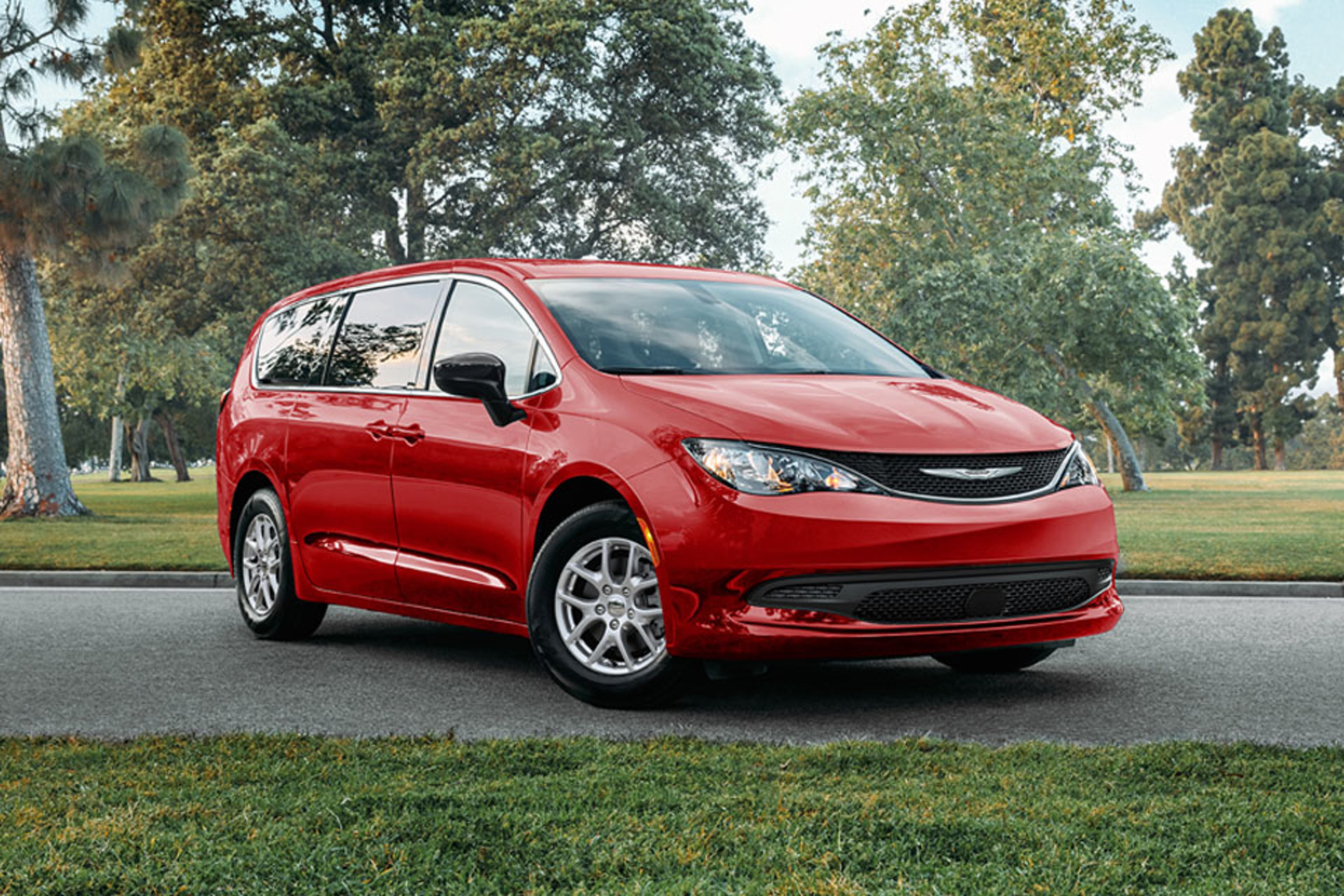
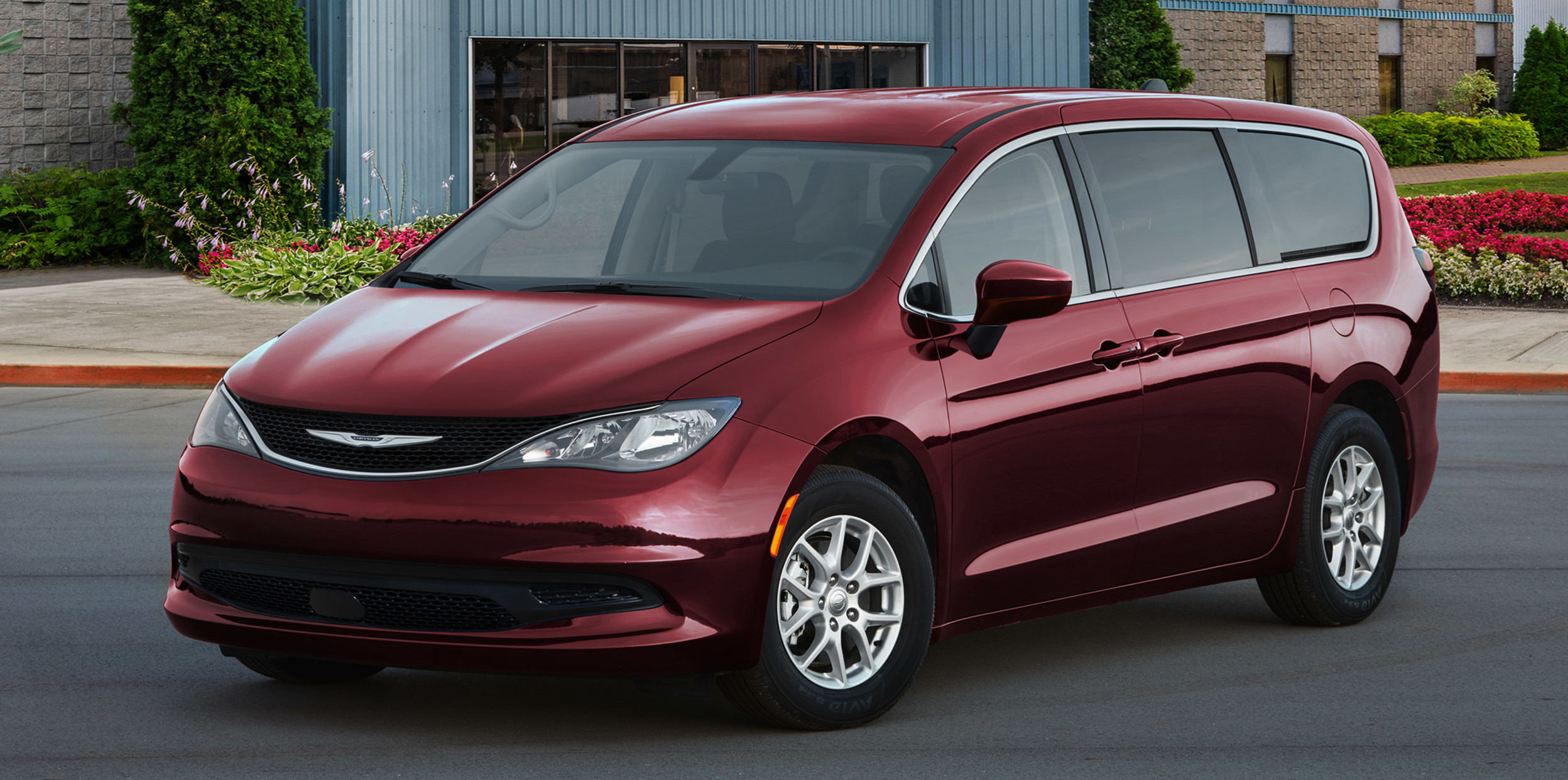
There is a peculiar tragedy in watching a once-mighty automotive titan reduced to a single-product footnote, and few brands embody that slow-motion collapse quite like Chrysler. The company that once gave us the letter-series 300s, the muscle-bound Hemi revolution, and the original minivan that created an entire segment now finds itself with a lineup reduced to exactly one model: the Pacifica. The recent flood of news surrounding the 2027 Pacifica refresh—a vehicle that Car and Driver rightly dismissed as one of the laziest updates in modern memory—only sharpens the existential question hanging over the brand. When your only product is a family hauler receiving cosmetic tweaks so minor they border on placebo, what exactly is the point of Chrysler anymore?
A Graveyard of Ambition
The story of this identity collapse is written in the model graveyard that surrounds the Pacifica. The Chrysler 300, that rear-drive, Hemi-powered sedan that served as the brand’s last connection to its performance heritage, finally died in 2023 after a painfully prolonged farewell tour. The Chrysler 200, a competent if unremarkable midsize sedan, was unceremoniously axed in 2017 with a now-infamous $1 billion investment that went nowhere. Even the brand’s beloved minivan lineage—once the undisputed king of the segment—has seen its dominance eroded by the Toyota Sienna, the Honda Odyssey, and a wave of three-row crossover alternatives that have convinced millions of families they no longer need a sliding door. What remains is a single product carrying the weight of an entire brand’s history, and the 2027 update suggests the parent company Stellantis has little interest in saving it.
The cruelest irony is that Chrysler once knew exactly who it was. It was the engineer’s brand, the company that introduced the Hemi V8 to the world in the 1950s, that built the Chrysler 300 as a gentleman’s muscle car, and that invented the modern minivan with the 1984 Dodge Caravan/Plymouth Voyager twins before the Chrysler Town & Country became the upscale choice. It was a brand with personality, with swagger, with a clear reason to exist. Today, Chrysler is a brand defined by what it no longer builds, its identity reduced to a single product that—however good it remains—cannot possibly carry the weight of nearly a century of automotive history.
The Pacifica Problem
The latest Pacifica, particularly in its base LX guise, represents everything wrong with Chrysler’s current strategy. Rather than reinvention or even meaningful improvement, buyers receive a light styling touch-up and enough equipment shuffling to justify a model-year designation. MotorTrend’s 1,700-mile road trip in the updated version confirmed what many already suspected: the Pacifica remains a competent, comfortable, and capable minivan—arguably still the class benchmark for driving dynamics—but it is fundamentally the same vehicle that launched nearly a decade ago. In an industry where competitors refresh every four to five years, Chrysler has stretched a single generation across an entire decade, and the seams are beginning to show. The recall of 844,027 vehicles across Jeep, Ram, and Chrysler over a rearview camera glitch only adds operational embarrassment to the strategic void.
What makes this situation so confounding is that Stellantis leadership continues to speak publicly about Chrysler’s future as though a plan exists. The company’s US planning chief has promised an electric future for the brand, with concepts like the Chrysler Halcyon suggesting a sleek, aerodynamic, and tech-forward direction. But concepts don’t pay the bills, and the Pacifica alone cannot sustain a luxury-adjacent repositioning that the brand seems to be attempting. There is a fundamental mismatch between the company’s rhetoric and its product reality—a gap that consumers have noticed, with sales languishing and showroom traffic dwindling. The warranty class action settlement covering numerous Stellantis brands, meanwhile, hints at the customer-service erosion that accelerates brand decline.
A Tombstone With Sliding Doors
The 2027 Pacifica may still be the minivan to beat, as MotorTrend suggests, but that achievement feels less like a victory and more like a beautifully maintained tombstone marking the grave of an American icon. The driving dynamics remain commendable—there’s genuine talent in how the Pacifica masks its size, how it absorbs the abuse of family duty while retaining a semblance of connection to the road. But competence has never been the issue. The issue is purpose, direction, and the courage to commit to a future that extends beyond a single, aging platform.
Chrysler’s salvation won’t come from another nip-and-tuck refresh or a concept car that exists only in press releases. It will come from the same place it always has: engineering conviction. The brand that dared to put a Hemi in a luxury sedan, that saw the minivan before anyone else did, that built cars with genuine character and mechanical substance—that Chrysler needs to return. Until Stellantis commits to that resurrection, the Pacifica will remain what it is: a very good minivan and a very sad epitaph for a brand that once moved the entire industry forward.