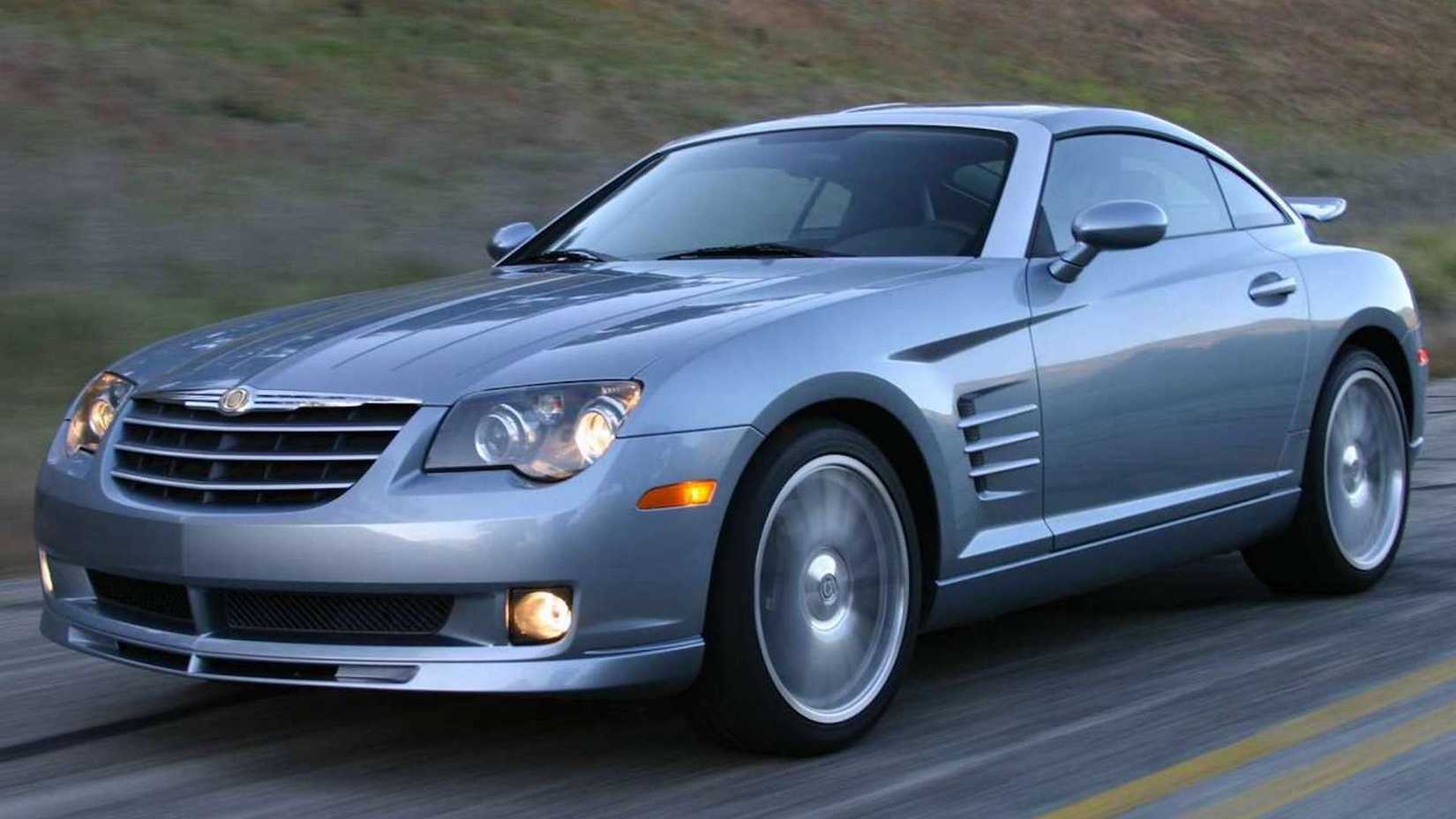
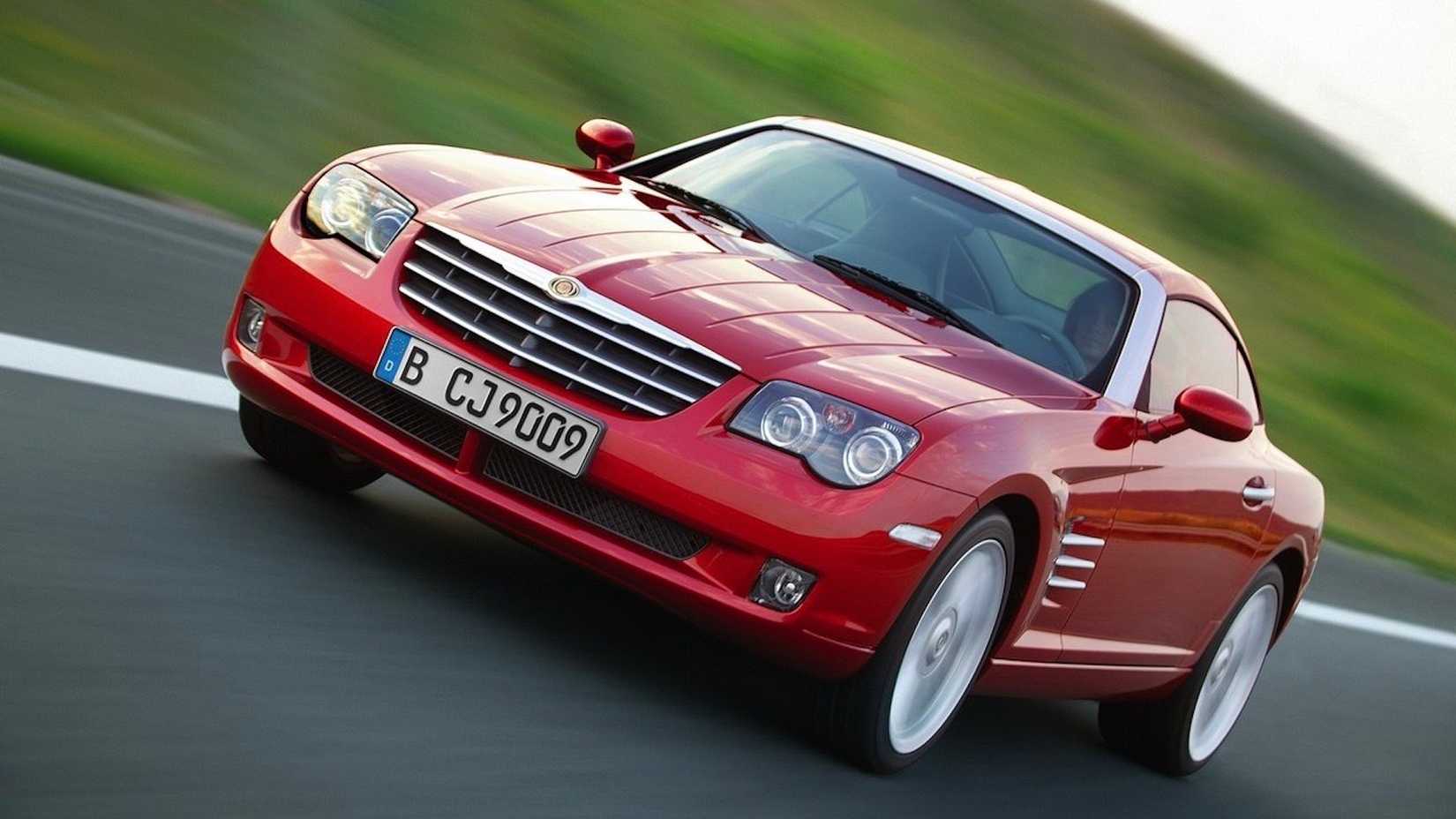
Here is a trivia question for your next pub quiz: which mid-2000s American sports coupe was engineered in Germany, built in Germany, and rode on a platform borrowed wholesale from Mercedes-Benz? The answer is the Chrysler Crossfire—a car that arrived wearing the Pentastar but carried the soul of a Stuttgart roadster. It remains one of the strangest, most fascinating artifacts of the DaimlerChrysler era, and one worth remembering with genuine affection.
The DaimlerChrysler merger of 1998 was billed as a merger of equals, a marriage of Stuttgart engineering discipline and Auburn Hills audacity. History has been unkind to that assessment—the "merger of equals" was, in practice, a takeover dressed in diplomatic language—but it produced at least one machine worth celebrating. Beneath its retro-futurist sheetmetal, the Chrysler Crossfire was a Mercedes-Benz SLK320 in everything but badge.
German Bones, American Attitude
To understand the Crossfire is to understand the strange corporate weather that produced it. The platform was the R170, the first-generation SLK, a car that had already established Mercedes' credentials in the compact roadster segment. The engine was the 3.2-liter M112 V6, a smooth if unspectacular unit good for 215 horsepower in standard trim and 330 horsepower in the supercharged SRT-6 variant that followed. The transmission, the suspension geometry, the rear-drive architecture—all Mercedes.
Even the assembly line told the story: the Crossfire was built by Karmann in Osnabrück, Germany, alongside the SLK it secretly was. An American brand's halo coupe, engineered in Germany, built in Germany, sold to Americans as a symbol of Chrysler's renaissance.
A Design That Divided the Room
And what a symbol it was meant to be. The Crossfire's design, credited to Eric Stoddard and refined under the eye of Trevor Creed, was a deliberate echo of the 1993 concept car of the same name—a low, wide, muscular shape with a long hood, a fastback roofline, and those distinctive "boat-tail" rear haunches that divided opinion as sharply as any design of its era. It looked like nothing else in a Chrysler showroom, which was precisely the point.
Here was a brand that had spent the 1990s reinventing itself through the LH sedans, the original Cirrus, and the game-changing minivan—and now it was reaching upward, toward the premium sports segment, with borrowed German bones and American attitude.
Promise Versus Delivery
The trouble, as it always is, was in the execution of the idea rather than the idea itself. The Crossfire was handsome but heavy; at roughly 3,100 pounds it carried more mass than its SLK sibling and felt it through the corners. The interior, while trimmed in leather and available with a satisfyingly chunky shifter, betrayed its Mercedes parts-bin origins in ways that felt less like cost-sharing and more like cost-cutting.
Road testers of the day praised the engine's linearity and the chassis's composure while lamenting the steering's numbness and the cabin's tightness. It was a car that promised more than it delivered—a recurring theme in the DaimlerChrysler narrative.
The Wrong Car at the Right Time
Yet there is a case to be made that the Crossfire's failure was less about the car and more about the moment. By the time it reached showrooms for the 2004 model year, the merger's honeymoon was over. The Chrysler 300 and Dodge Charger, both riding the rear-drive LX platform with Mercedes-derived suspension components, would soon demonstrate what the partnership could achieve when American design confidence met German engineering rigor. The Crossfire, arriving just ahead of that wave, seemed like a curiosity rather than a herald.
Production ended in 2008, the same year Daimler finally divested itself of Chrysler, selling the brand to Cerberus Capital Management for a fraction of what it had paid a decade earlier. The Crossfire died with the marriage that made it.
What remains is a fascinating artifact: a Chrysler that was, in the most literal sense, a Mercedes—and a reminder that the mid-2000s were a stranger, more interesting time for the American car industry than we sometimes remember. The Crossfire was imperfect, compromised, and occasionally maddening. But it was also proof that Chrysler, when it chose to be, could build something genuinely European in character without losing its own identity entirely. That it never quite found its audience says less about the car than about the corporate chaos that surrounded it. In an era when the brand's future now hinges on hybrid SUVs and minivan supremacy, the Crossfire stands as a curious footnote—a German heart beating beneath an American badge, waiting for someone to notice.