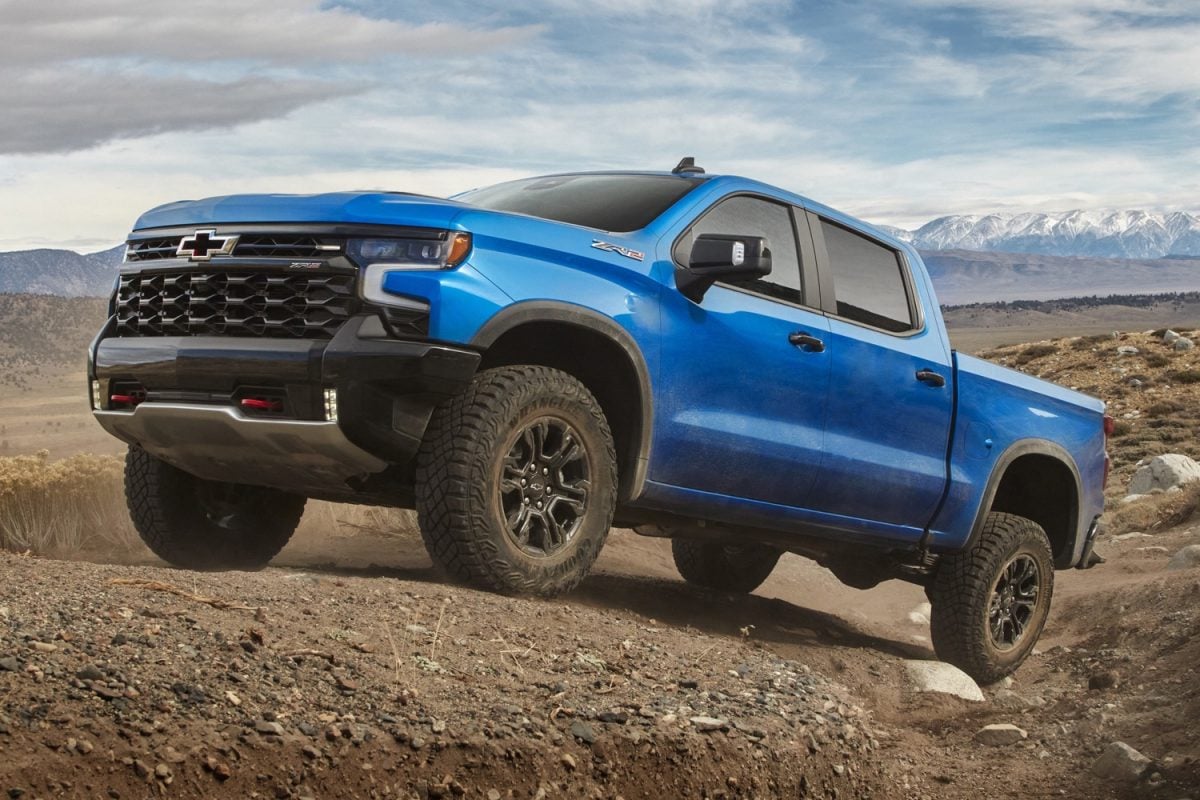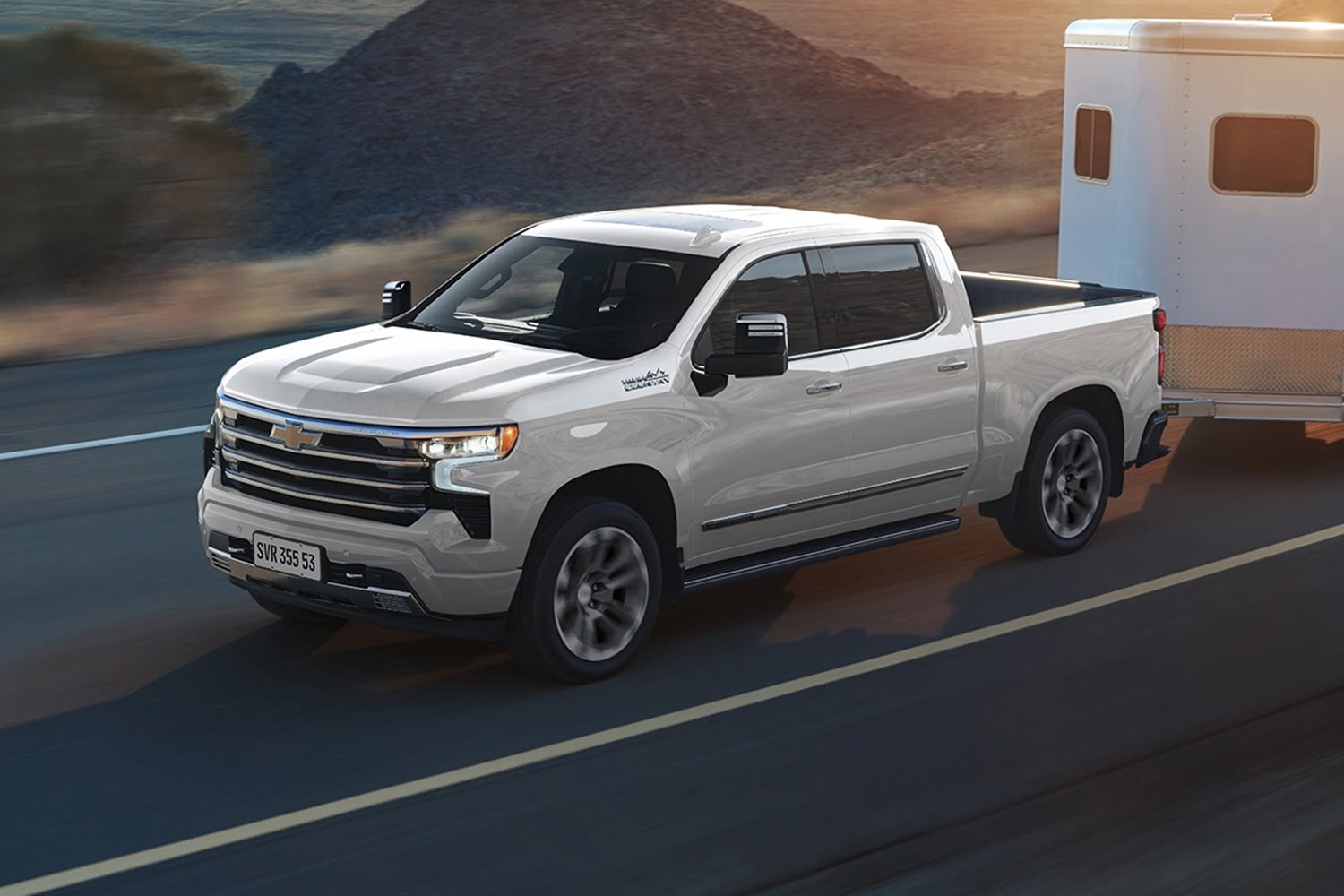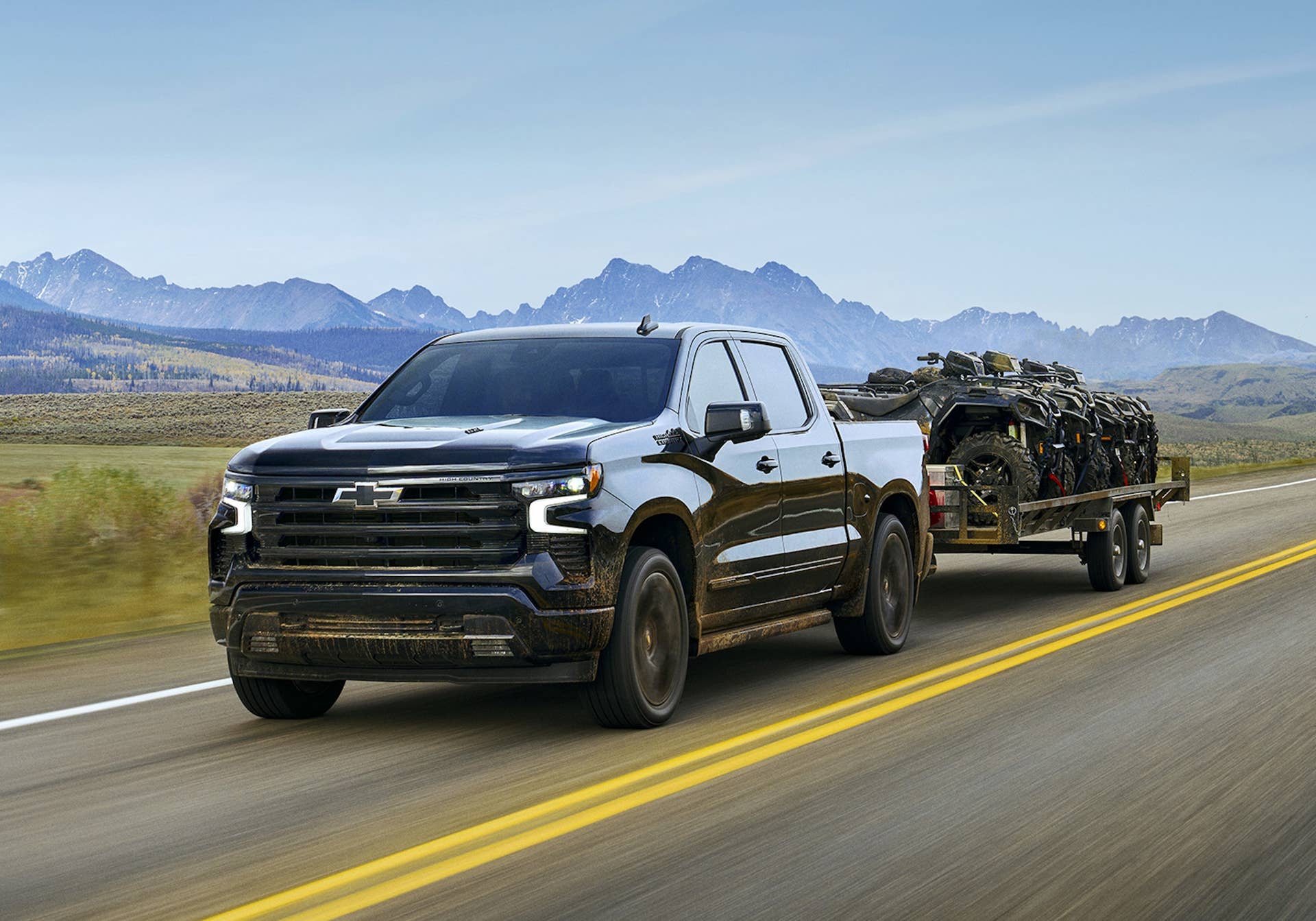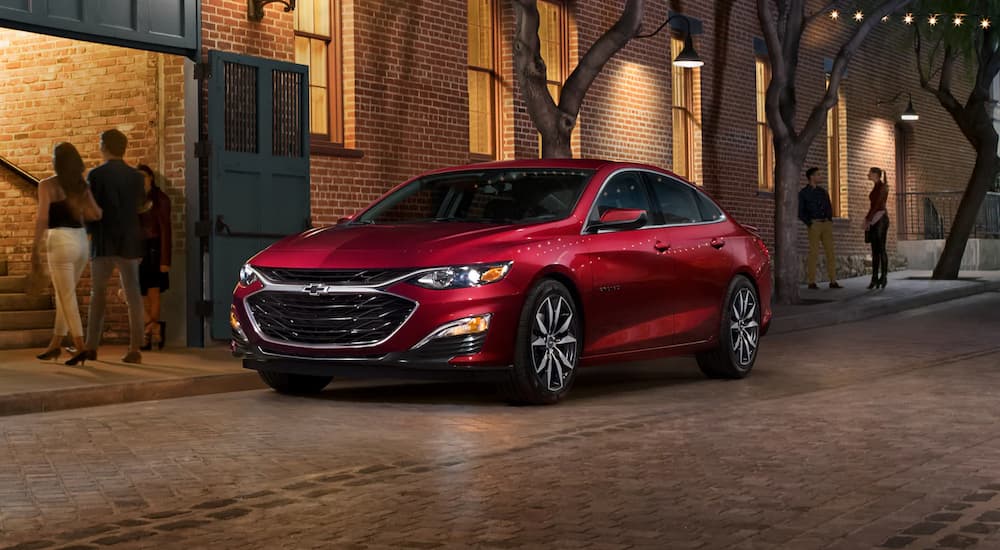
Chevrolet has spent the better part of a decade quietly dismantling the very thing that made it America's brand. The Malibu, the Impala, the Cruze, the Sonic—a sedan portfolio that once gave buyers a sensible, attainable entry point into the Bowtie family—has been whittled down to a single surviving four-door. Meanwhile, the Silverado 1500, the truck that increasingly defines Chevrolet's bottom line, is marching steadily upmarket.
The 2027 model year makes this trade-off unmistakable: the Work Truck trim now starts at $38,600 before destination charges, a meaningful jump that has analysts and shoppers alike raising eyebrows. Chevrolet isn't hiding the strategy. It's simply betting that the customers it's losing at the entry level won't matter as much as the ones it's milking at the top.
The Price of "More Is More"
There's a certain irony in watching a brand that built its reputation on accessible transportation pivot so aggressively toward six-figure window stickers. The Silverado was never meant to be a luxury good, yet the 2027 refresh arrives with more content, more technology, and—predictably—more cost. MotorTrend's coverage of the new pricing frames it as "more is more," and that's precisely the problem. Every additional feature, every upgraded infotainment screen, every driver-assistance suite adds weight to a price tag that now sits uncomfortably close to what buyers once paid for a well-equipped Tahoe.
Edmunds posed the question bluntly: too little, too late, or just in time? The answer depends entirely on whether you're the buyer or the shareholder.
A Sedan-Shaped Void
What's left behind is a sedan-shaped void. The Malibu, Chevrolet's last mainstream four-door, soldiers on with minimal fanfare and even less marketing support. There's no bold redesign on the horizon, no electrified successor waiting in the wings. Compare that to the attention lavished on the Equinox, which now commands headlines for its fuel economy figures and represents the brand's true volume play. The message is clear: if you want a car from Chevrolet, you'd better be comfortable with a crossover footprint. The traditional sedan—the vehicle that once ferried millions of American families to work, school, and Sunday dinner—has been deemed surplus to requirements.
This isn't purely a Chevrolet problem, of course. Ford famously abandoned cars altogether, and Stellantis has gutted its own sedan offerings. But Chevrolet's situation feels more acute because the brand spent so long positioning itself as the everyman's choice. The Camaro is gone, at least for now, leaving the Corvette as the sole remaining passenger car with any real emotional pull. And even the Corvette has drifted into exotic-car territory, with the ZR1 and E-Ray variants commanding prices that would have seemed absurd a generation ago. The classic car community still celebrates the IROC-Z and the original Corvette C1, but those are nostalgia plays, not sales strategies.
Can the Bet Hold?
The real question is whether this pivot is sustainable. Truck buyers are notoriously brand-loyal, but they're also price-sensitive in ways that luxury shoppers are not. A Silverado that creeps toward $60,000 in mid-level trims starts competing with vehicles that offer more refinement, better fuel economy, and frankly, more cachet. Chevrolet is betting that its truck heritage and the TurboMax engine's impressive output—350 horsepower and 455 lb-ft of torque in the Colorado and Canyon—will be enough to keep buyers in the fold. Maybe it will. But a brand that once sold itself on value is now asking customers to pay a premium for the privilege of staying loyal.
The sedan's quiet death at Chevrolet isn't just about product planning. It's a signal about where the company believes its future lies. Trucks and crossovers pay the bills, and the Silverado's rising prices are a direct reflection of that reality. But there's a cost to abandoning the entry-level buyer, and it won't show up on this quarter's earnings call. It'll show up a decade from now, when a generation of drivers who never owned a Chevrolet sedan decides they have no particular reason to buy a Chevrolet truck.