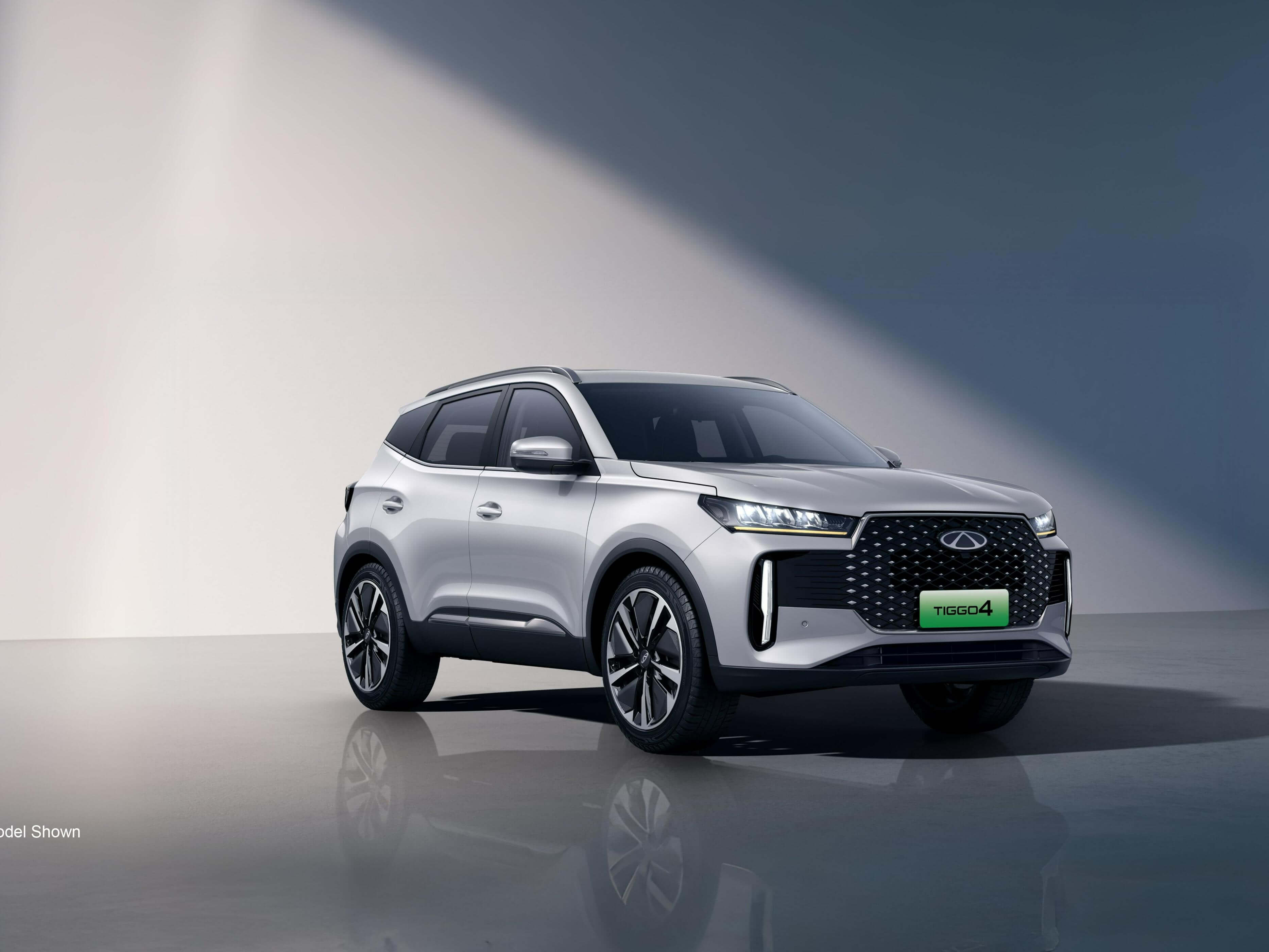
Chery has never been a company content to be underestimated. The Chinese automaker built its reputation on affordable sedans and crossovers, quietly expanding into more than eighty markets while larger rivals commanded the spotlight. Now, with a 1.44MW ultra-fast charger that promises 500km of range in five minutes, Chery is making a brazen claim on the one battlefield where brand prestige matters most: the charging arms race. The question is whether a company best known for value-priced combustion vehicles can credibly compete with BYD, Geely, and Huawei at the bleeding edge of energy infrastructure.
The numbers themselves are striking. At 1.44 megawatts, Chery's charging architecture would dwarf the 350kW to 500kW systems that currently define the premium EV segment. For context, a five-minute replenishment of 500km approaches the refuelling cadence of a petrol station, erasing the single most persistent objection to electric adoption. But headlines are cheap, and Chery knows this better than most. The company has spent the past several years learning that technological ambition must be matched by manufacturing discipline and brand credibility—lessons delivered in unusually public fashion.
The Growing Pains Behind the Headline
Consider the recent turbulence. In Malaysia, authorities suspended approval for the Omoda 5 over a rear axle defect, prompting a direct apology from the Chery chairman. In Latin America, the Tiggo 2 received a zero-star Latin NCAP rating, a result that cuts against the safety narrative any global aspirant needs. These are not the setbacks of a company coasting on momentum; they are the growing pains of a manufacturer scaling rapidly across diverse regulatory environments. Yet they also illustrate the gap between Chery's infrastructure ambitions and its quality-control reality. A charger that delivers half a megawatt-hour in five minutes is meaningless if the vehicle attached to it cannot pass a crash test.
A Supply Chain, Not a Press Release
There is, however, a strategic logic to Chery's charging gambit that deserves serious attention. The company is not pursuing this alone. Its Luxeed joint venture with Huawei is preparing to launch six new-energy models globally, and Huawei's own charging expertise runs deep. Chery's willingness to partner with U.S. automakers, as a recent Reuters report indicated, suggests a company that understands the capital intensity of infrastructure and is hedging accordingly. The 70% overseas production share target for exports by 2030 further signals that Chery intends to localise manufacturing and, presumably, charging networks in the markets it serves. This is not the posture of a company chasing a press release; it is the posture of one building a supply chain.
The Trust Contest
The charging arms race, moreover, is not merely a technical contest. It is a trust contest. BYD has spent years establishing itself as a vertically integrated energy company, and Huawei carries the weight of a consumer-electronics giant whose brand equity in fast charging is already established. Chery arrives at this table with a different pedigree—one built on sedans, budget SUVs, and a K-car joint venture that patent images suggest will carry an offroad trim to rival BYD's Racco. The company's nine-month revenue rose year on year, and its September export figures broke records. Financial momentum is real. But momentum in volume is not the same as momentum in perception, and the charging race is ultimately won by the brand consumers trust to deliver on its promises.
Breadth as Both Weakness and Foundation
What makes Chery's position genuinely interesting is that it refuses to specialise. A company building a 1.44MW charger while simultaneously developing a K-car, a Tiggo X7 that "looks like a Prado and sounds like a BMW," and a global NEV lineup through Luxeed is a company operating without a single centre of gravity. That breadth can be a weakness—resources spread thin, quality lapses exposed—or it can be the foundation of an ecosystem play in which charging infrastructure, vehicle variety, and localised production reinforce one another. The difference between the two outcomes is execution, and execution is precisely where Chery's recent record has been uneven.
The charging arms race will not be decided by a single specification sheet. It will be decided by whether Chery can translate a headline figure into deployed infrastructure, reliable vehicles, and consumer confidence. The company has the capital, the partnerships, and the ambition. What it has not yet demonstrated is that a sedan brand can reinvent itself as an energy brand without the seams showing. The 1.44MW charger is a bold opening bid. Whether it becomes a turning point or a cautionary tale depends on the unglamorous work that follows—and on whether Chery's automotive philosophy, built on value and volume, can evolve fast enough to carry the weight of an energy brand's promises.