Chery has spent the past two years being celebrated, scrutinised, and occasionally mocked as an automotive exporter. Its Jaecoo and Omoda crossovers have flooded British forecourts so effectively that one of them earned the wry tabloid nickname "Temu Range Rover" — a label that has done little to slow its run at the top of the UK sales charts. The company has opened an R&D centre in the UK, bought a Nissan factory in Africa, and pushed its iCaur V27 extended-range off-roader into Europe at a startling $61,540. All of that is the familiar story of a Chinese carmaker scaling fast.
The more interesting story is happening one floor up, in a division that does not build cars at all.
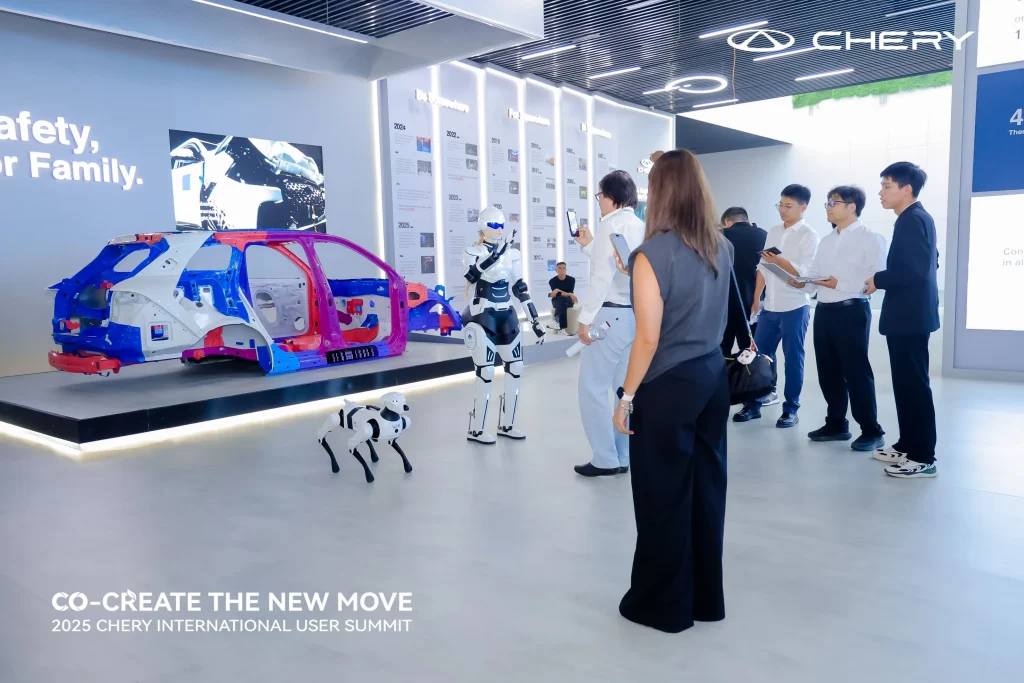
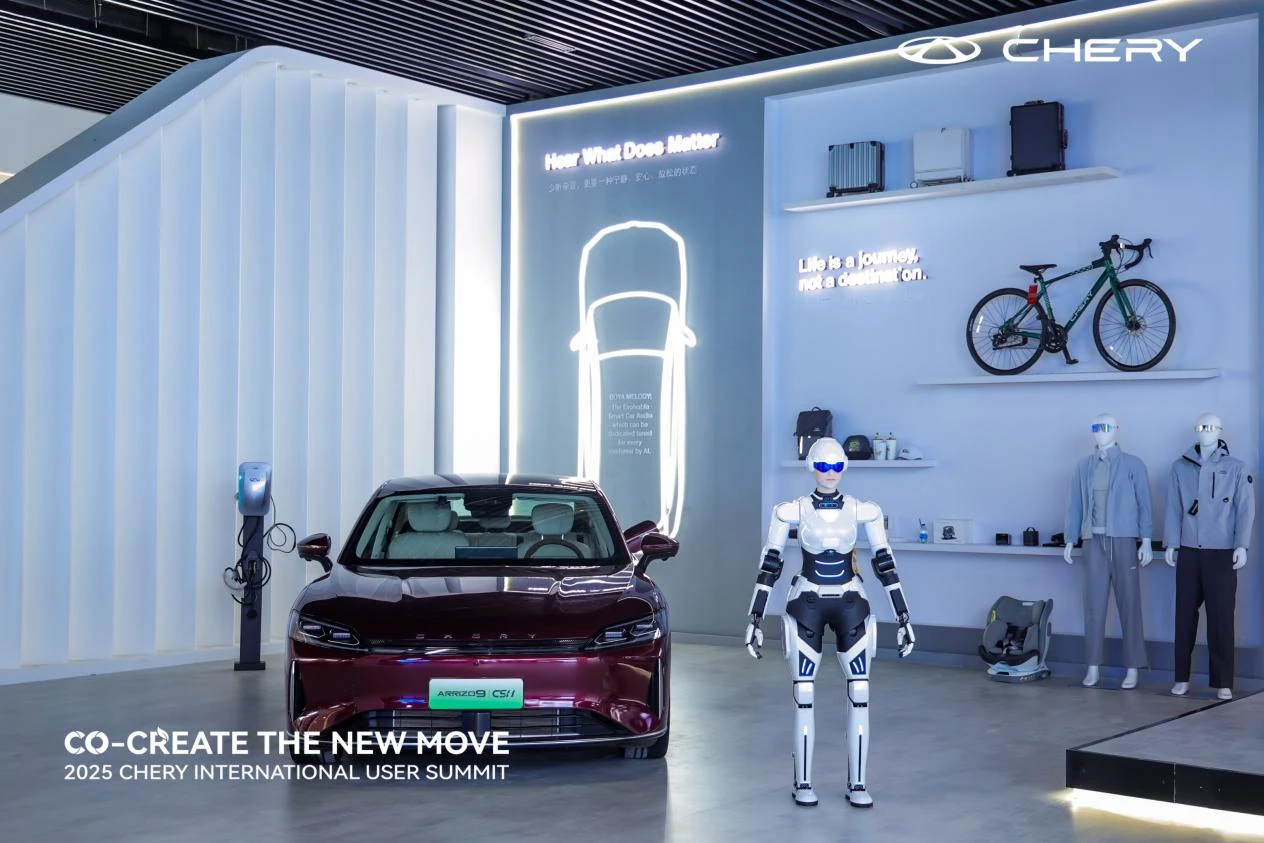
That division is AiMOGA, Chery's robotics affiliate, and it is preparing for an initial public offering while targeting 10,000 deliveries next year. The Reuters exclusive confirming the IPO ambition should reframe how the industry reads Chery. This is no longer a car company dabbling in automation to sharpen its assembly lines. It is a car company spinning out a robotics business with its own balance sheet, its own overseas ambitions, and its own investor narrative — one that happens to sit on top of a manufacturing empire already shipping vehicles to a quarter of Britain's new-car buyers.
The Logic Is Cleaner Than It Looks
Humanoid and general-purpose robotics demand exactly what Chery has spent a decade accumulating: precision manufacturing at scale, deep supply-chain control over actuators, motors and sensors, and a captive first customer in its own factories. AiMOGA can iterate on real production floors rather than in demo videos, and it can amortise component costs across an automotive volume base that most pure-play robotics startups can only dream of. Chery does not need to win the robot market outright to profit from it — it needs to industrialise faster than labs that have never shipped a million units of anything.
A Distribution Spine Built for Machines
There is a second, subtler advantage. Chery's global expansion — the UK R&D centre, the Middle East push behind Freelander, the African factory acquisition, the zero-carbon manufacturing showcase at its 2026 international summit — has built a distribution and service footprint across dozens of markets. Robotics deployments live or die on service networks. A company that can already maintain vehicles from Abu Dhabi to São Paulo has a ready-made spine for maintaining machines that walk, lift and assemble.
What Could Still Go Wrong
None of this is guaranteed. Robotics IPOs have a habit of pricing on narrative and then reporting on reality, and AiMOGA's 10,000-delivery target is ambitious for a unit still proving its commercial legs. Investors burned by previous automation hype cycles will want to see utilisation rates, not renderings. Chery's own brand portfolio, meanwhile, carries the complexity of any fast-expanding group — Freelander, Jaecoo, Omoda, iCaur and the core Tiggo line all competing for attention and capital.
The Car Business as Launchpad
Yet the direction is unmistakable. The car business is becoming the cash engine and proving ground for the robot business, not the other way around. Every vehicle Chery sells in Britain, the Middle East or Africa funds the factories, the sensors and the engineering talent that AiMOGA needs to scale. The IPO, when it comes, will not simply be a robotics listing.
It will be the moment a Chinese automaker formally asks the market to value it as something larger than the sum of its nameplates — and given how quickly those nameplates conquered the UK, that is a proposition worth taking seriously.