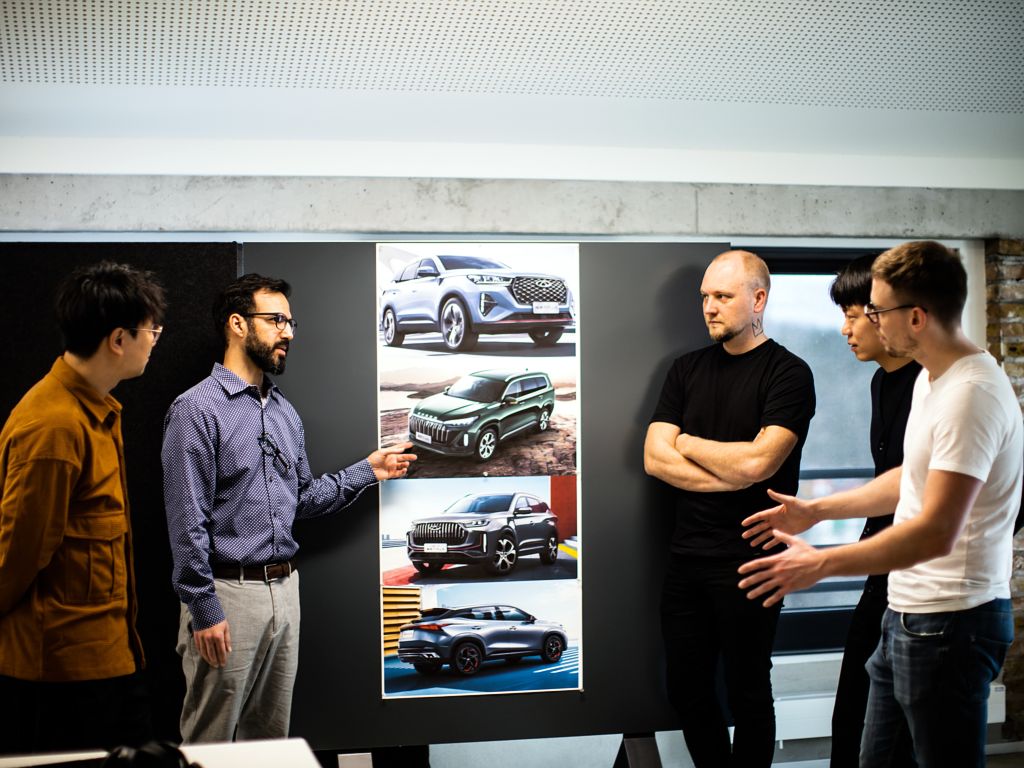
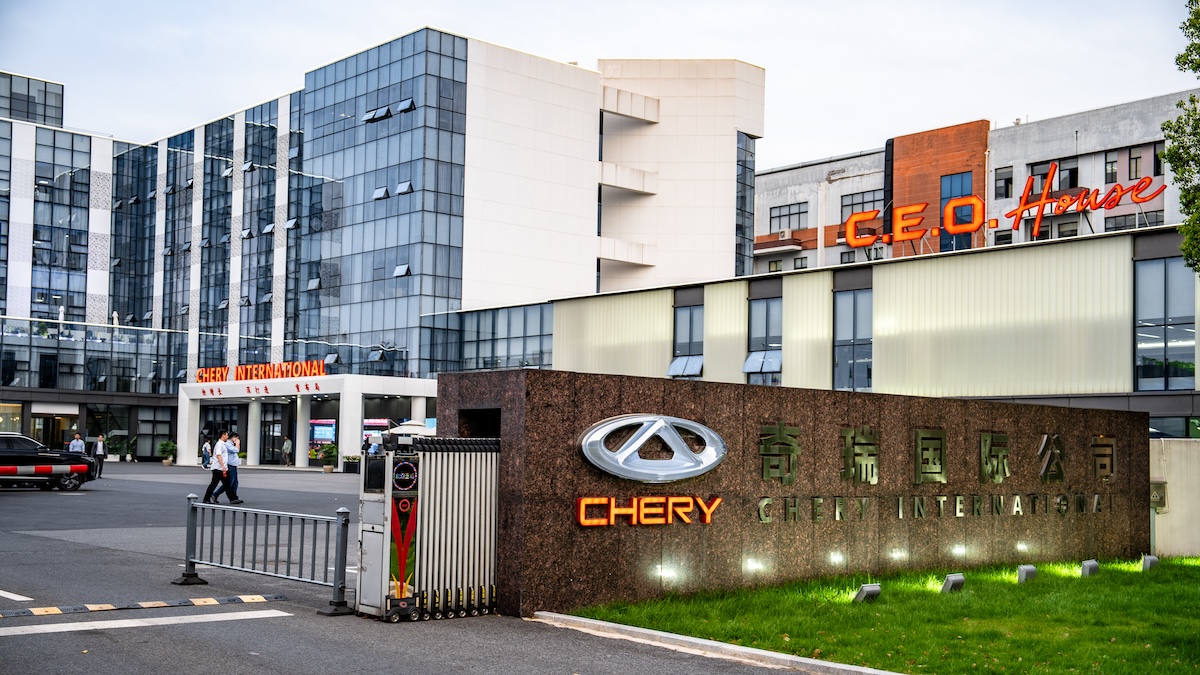
For two decades, Chery has lived in a comfortable corner of the Western imagination: the affordable Chinese import, the value play, the car you bought because it undercut everything else on the forecourt. That framing is now dead. The company's decision to establish a dedicated UK research centre — confirmed by Reuters and already shaping its European product strategy — is not another export push dressed up as expansion. It is an engineering play. And specifically, a German-tuned one.
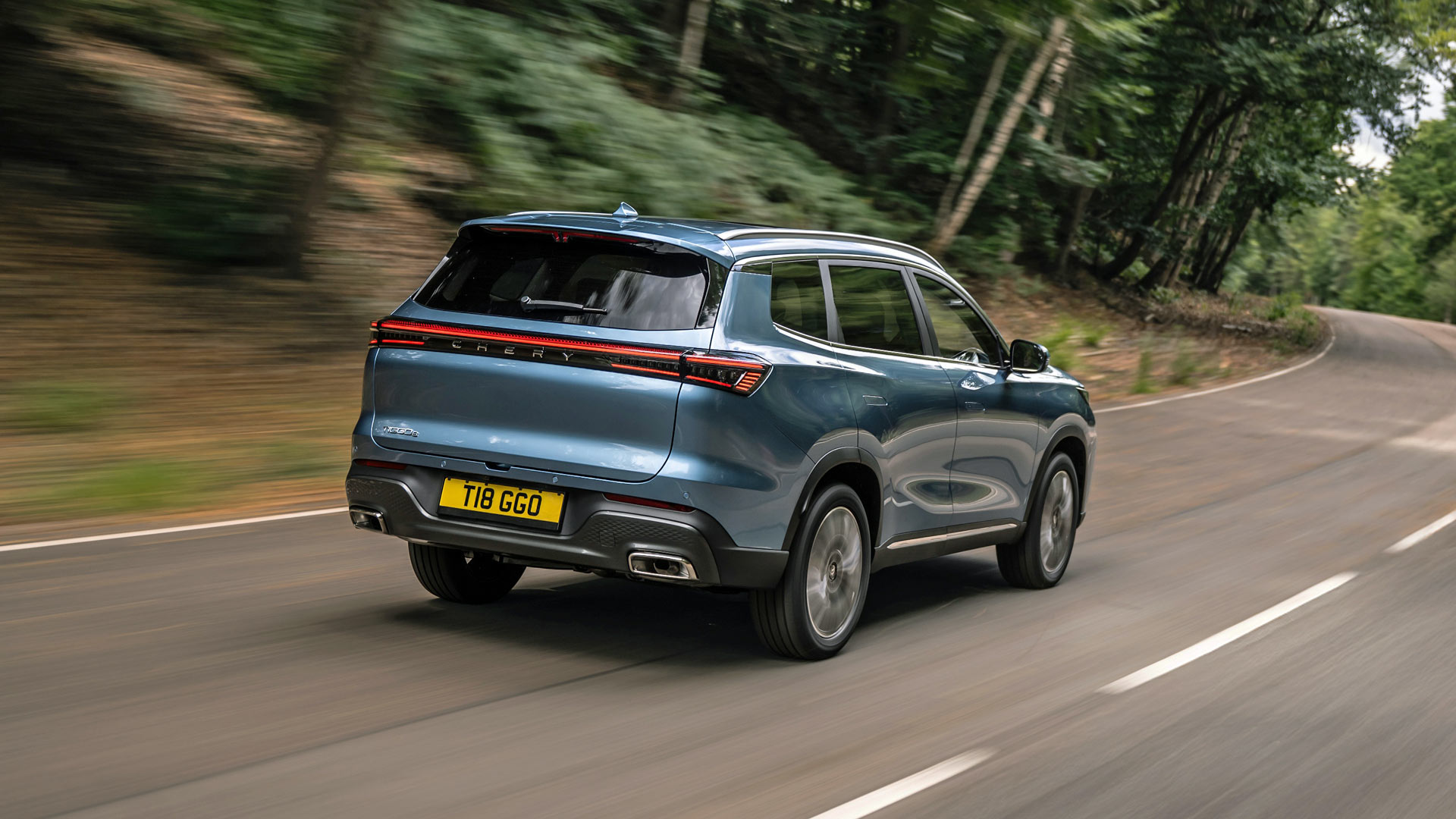
The ambition is anything but subtle. Chery has been explicit that its UK-bound Tiggo X SUVs are being developed with what Autocar calls a "German feeling" — a deliberate calibration target that speaks to damping, steering weight, body control, and that intangible but unmistakable sensation of a chassis fettled by people who care about the Nürburgring. A UK research centre makes strategic sense here. Britain has long served as the European development hub for brands chasing dynamic credibility, and its engineering talent pool, proving grounds, and regulatory proximity to the EU make it an ideal base for a manufacturer that wants to be taken seriously rather than merely tolerated.
The Product Offensive
The cadence backs it up. Chery is preparing a four-model offensive in the UK, anchored by its first electric vehicle for the market and headlined by the Tiggo X EV. Alongside that, the Q small EV and an expanded hybrid line-up — Chery has been doubling down on hybrids even as it pushes into pure electric — suggest a brand that understands the British buyer's current ambivalence about charging infrastructure. That is not the behaviour of a company content to compete on price alone. It is the behaviour of a company building a full-range proposition.
Dismantling the "Temu Range Rover"
There is a certain irony in the "Temu Range Rover" label Bloomberg attached to Chery's recent UK success. The phrase captures the residual scepticism — the assumption that a Chinese SUV mimicking Range Rover proportions must be doing so at a discount. But the Tiggo X programme, developed with UK and European tuning input, is an attempt to dismantle exactly that perception. The 2027 Chery E5 tells a similar story from the other direction: massage seats, a 15.6-inch screen, revamped exterior design. These are not austerity measures. They are the trappings of a brand repositioning upward.
Industrial Weight Behind the Bet
Context matters. China exported 7.15 million vehicles by August, already surpassing its entire 2025 total — a staggering figure that underscores the sheer industrial weight behind this expansion. Chery is not a niche player gambling on a single market. It is one of the largest exporters in the world's largest automotive manufacturing nation, and its UK research centre is a statement that it intends to compete on engineering merit, not just on price. The Fulwin T7, launched with a claimed 600 km range for under $15,000, demonstrates that Chery can still weaponise cost when it chooses. But the UK strategy is clearly about something else.
The real test will come when British buyers drive the Tiggo X and the Q back-to-back against established European rivals. If the German-tuned chassis delivers, the budget-import narrative dies quietly. If it doesn't, the research centre becomes an expensive footnote. Either way, Chery has made its bet. It is no longer asking to be judged on what it costs. It is asking to be judged on how it drives — and it has built a UK engineering base to make sure the answer is the right one.