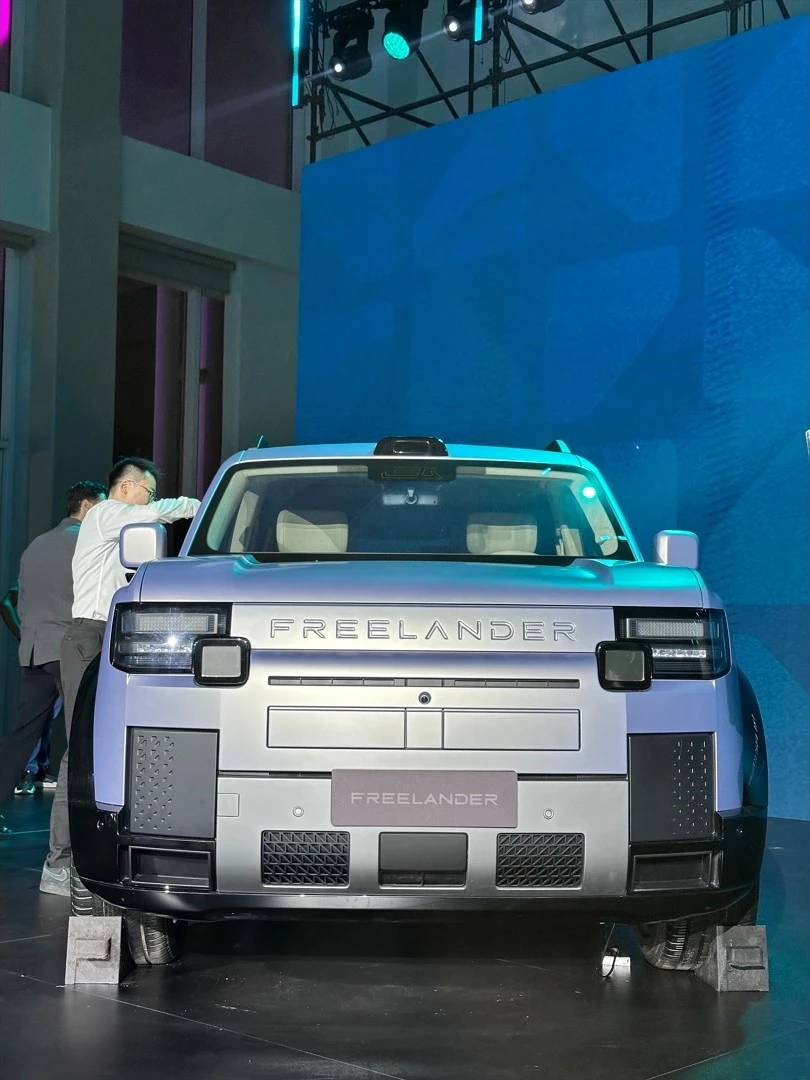
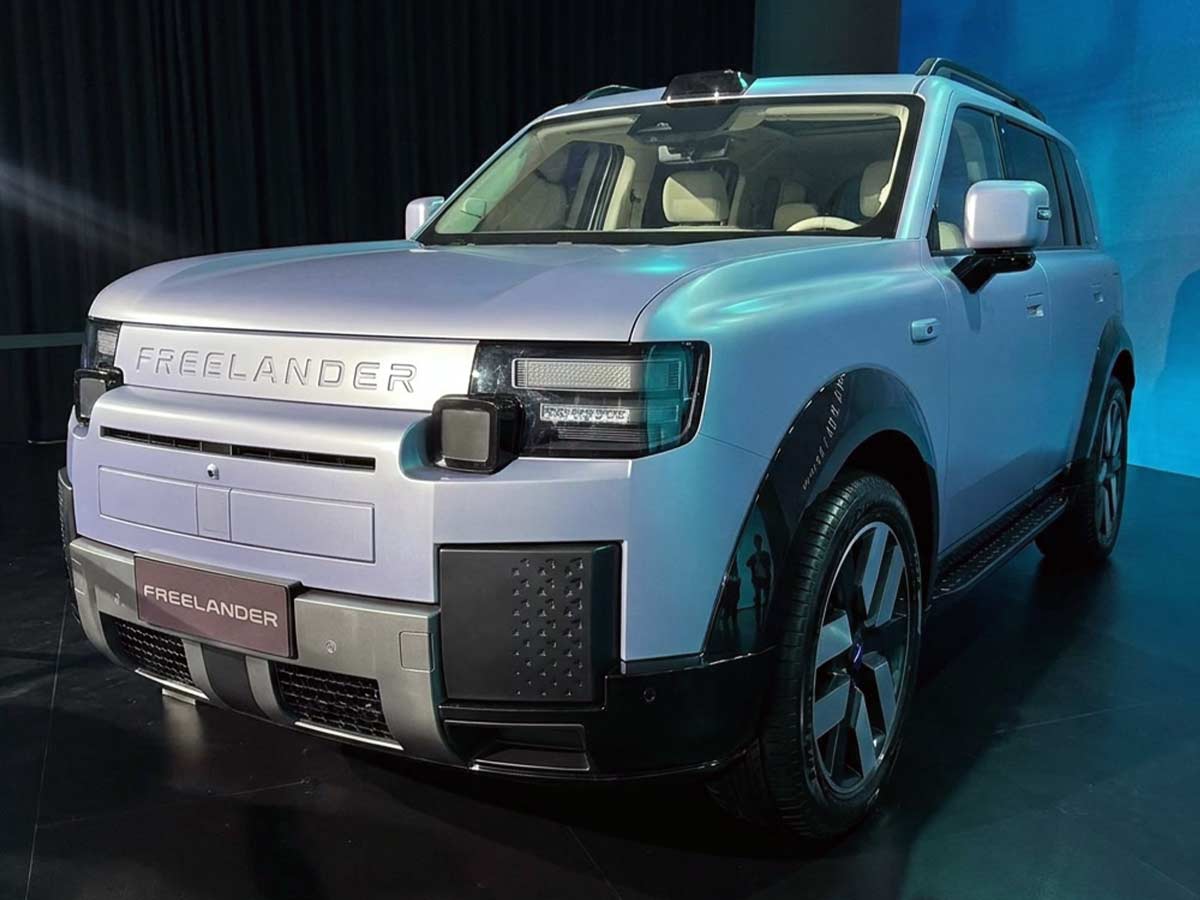
The reborn Freelander has barely begun rolling off the line at Changshu, and already its parent joint venture is eyeing a far more audacious move: assembling the same vehicle inside Jaguar Land Rover's own British plants. Reports suggest Chery is in talks to build vehicles at JLR's UK facilities — a proposition that would have seemed unthinkable a decade ago, when this joint venture was conceived to put British badges on Chinese roads, not the other way around.
There's a certain symmetry to it. The Freelander name once belonged to a compact SUV that sold in droves until 2015. Now it returns as something entirely different — and it may well return to Britain wearing a Made-in-England label, just not the one you'd expect.
What the Freelander 8 Actually Is
To understand why Chery would want this, you first have to understand what the Freelander 8 represents. Launched under the recast Chery Jaguar Land Rover partnership, it revives a dormant nameplate and repositions it as a standalone brand rather than a model line.
The hardware is unapologetically modern. A 46.3-inch 8K panoramic display spans the dashboard, pricing starts at RMB 289,900, and the joint venture has been explicit about its ambitions: half its sales should come from abroad. Australia has already been confirmed for 2027, with global markets firmly in its sights. This is not a domestic curiosity. It is an export programme wearing a heritage badge — and that distinction matters enormously.
Why Britain, and Why JLR's Factories
That export ambition is precisely where the UK factories come in. Britain remains one of the most coveted premium automotive markets in Europe, and Land Rover's manufacturing footprint there carries a patina of authenticity that no amount of Chinese engineering can replicate overnight.
Building the Freelander 8 on British soil would soften the vehicle's import story, sidestep the tariff and logistics friction that comes with shipping from Jiangsu, and lend the reborn nameplate a legitimacy that resonates with European buyers who still associate Freelander with the original compact SUV.
There is also the matter of capacity. JLR's UK plants have endured years of fluctuating volumes and, more recently, the industry-wide squeeze on electric vehicle demand. Filling those lines with a high-volume, keenly priced SUV would be an elegant solution to an awkward problem — one that keeps skilled workers employed while giving Chery a European manufacturing beachhead it could never build from scratch. For a Chinese manufacturer navigating rising protectionism in Western markets, access to an established British plant is worth far more than the sum of its square metres.
A Joint Venture That Flips the Script
The arrangement also fits the broader logic of the joint venture, which has been quietly recast from a conventional partnership into something closer to a brand incubator. Chery supplies the platform engineering, the electrified powertrains and the aggressive cost base. JLR supplies the name, the heritage and, potentially, the real estate.
It is a division of labour that flips the traditional script — and it explains why the Freelander badge was chosen in the first place. It is a name JLR owns but no longer uses, making it the ideal asset to deploy without cannibalising Defender or Range Rover volumes. The badge does the heavy lifting on brand equity; Chery does the heavy lifting on everything else.
The Road Ahead
Sceptics will note that talks are not contracts, and that building Chinese-designed vehicles in British factories raises thorny questions about union agreements, supply chains and political optics. Those are not trivial hurdles.
But the direction of travel is unmistakable. The Freelander 8 has entered mass production at Changshu, pre-sales have begun, and the export roadmap is already drawn. If Chery can secure even a modest UK assembly footprint, it will have achieved something rarer than a new model launch: a genuine reversal of the flow of automotive influence.
For decades, the traffic ran one way — Western brands built in China to sell to China. Now a Chinese joint venture may use British factories to sell a reborn British badge back to the world. The Freelander name always stood for accessible adventure. It just never anticipated this kind of journey.