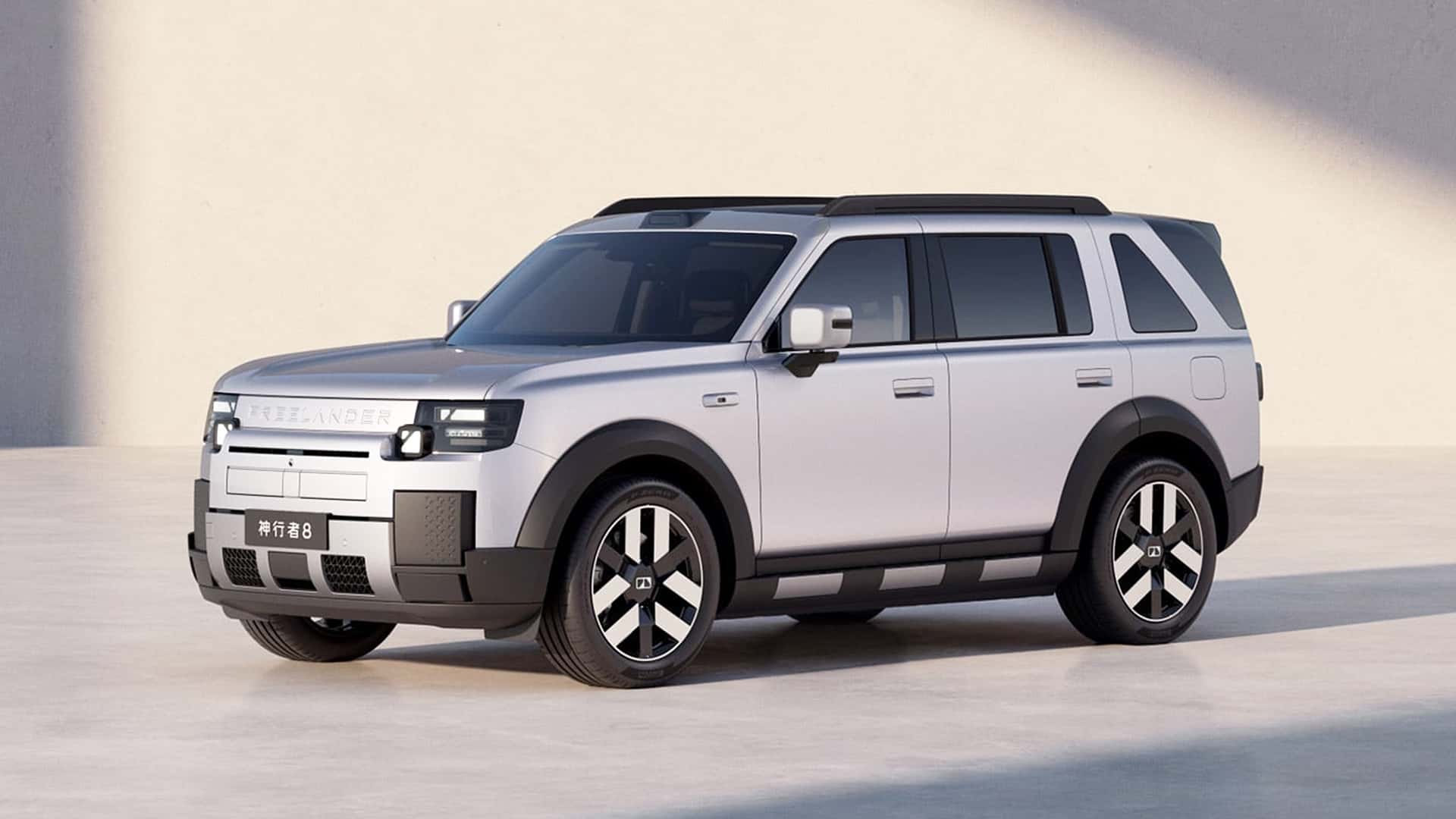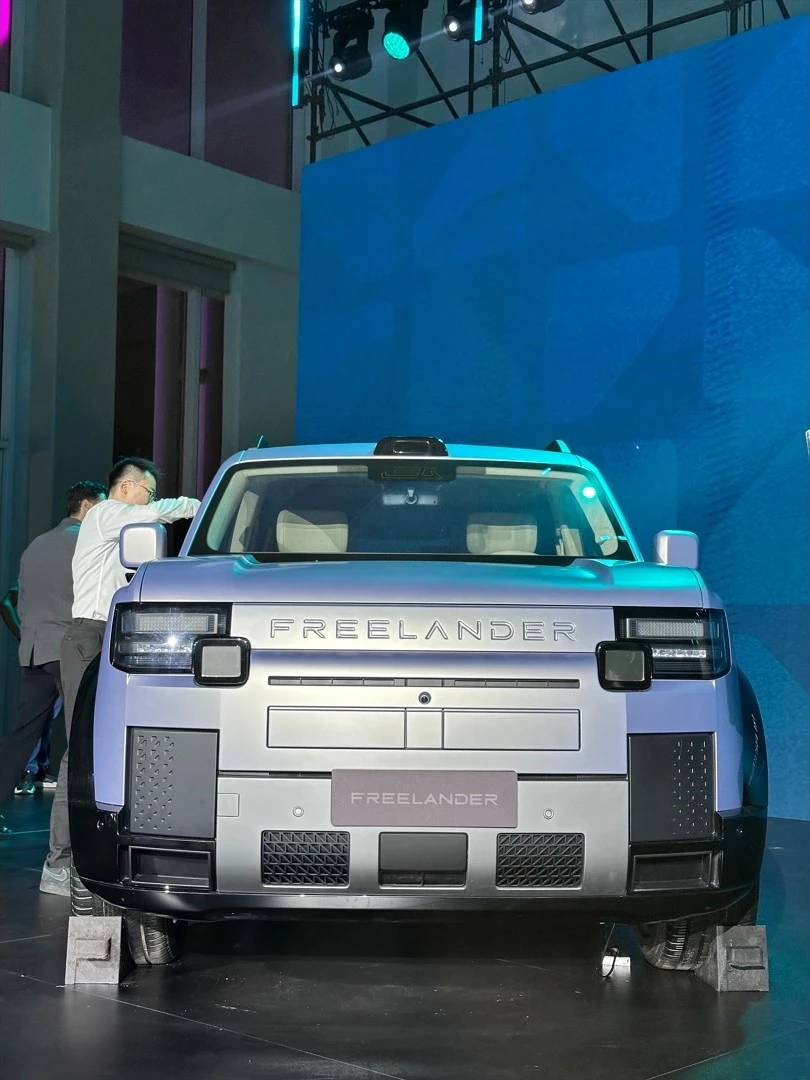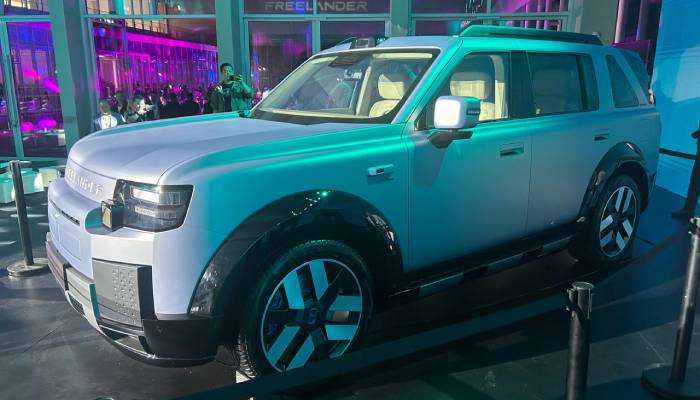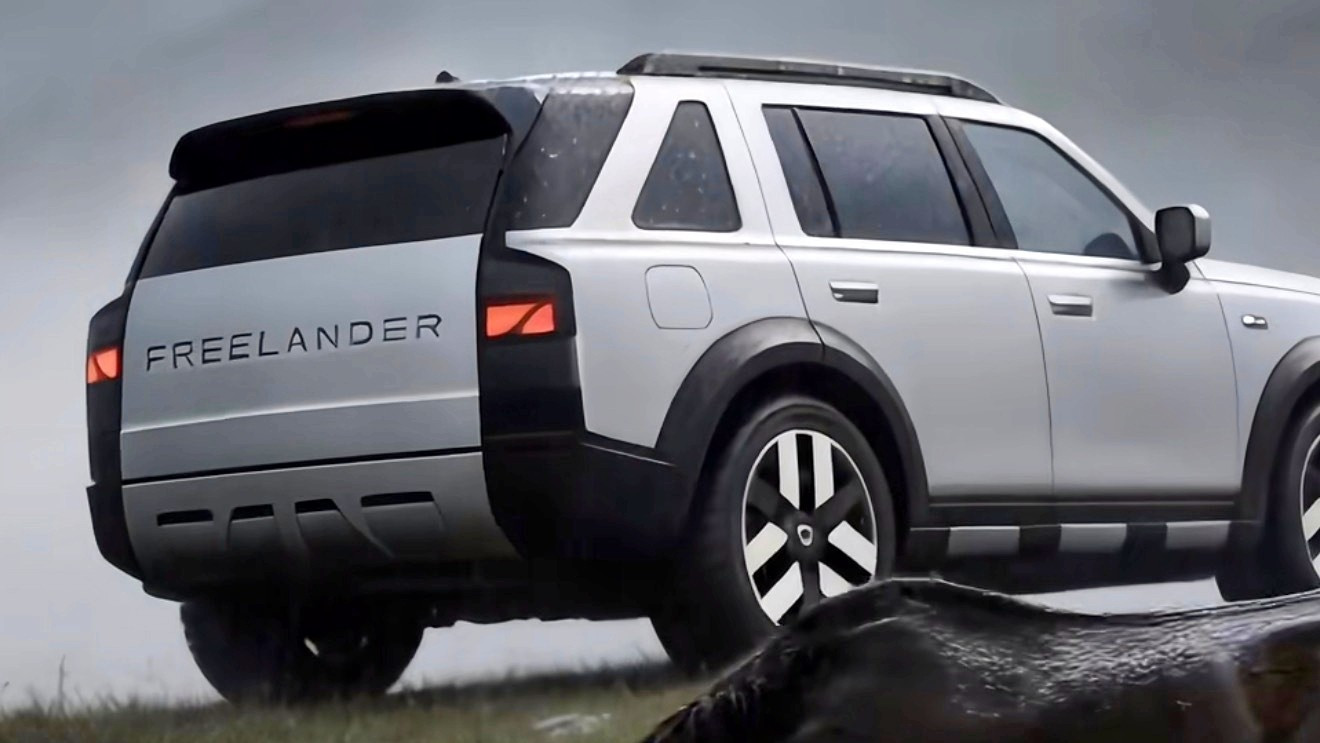
Altitude is the most honest test a vehicle can face. There is no marketing gloss at 6,000 metres, no forgiving dyno curve, no climate-controlled laboratory. Thin air strips combustion engines of oxygen, saps electric motors of thermal headroom, and punishes every compromised engineering decision a manufacturer has ever made. So when Chery Jaguar Land Rover drove the reborn Freelander 8 to a Guinness World Record altitude of 6,002 metres in Tibet, it was not merely chasing a certificate. It was making an argument about what this vehicle — and this revived brand — is actually built to do.
The physics of high altitude are unforgiving. At 6,000 metres, atmospheric pressure falls to roughly half that at sea level, which means a naturally aspirated engine loses something close to 40 per cent of its output. Turbocharged and hybridised powertrains fare better, but only if their cooling, battery management, and thermal regulation can cope with the dual assault of rarefied air and brutal temperature swings. The Freelander 8 answered with a plug-in hybrid system producing a combined 818 horsepower, paired with the Huawei driver-assist suite fitted as standard across the range. That combination of raw output and intelligent thermal management is what carried it past the previous hybrid altitude benchmark — a figure that matters far more to engineers than to trophy cabinets.
A Stress Test With a Commercial Subtext
Yet the record is best understood as a stress test with a commercial subtext. Chery Jaguar Land Rover has structured the new Freelander brand as a joint venture recalibration, not a nostalgic rehash — a strategic reset in which Chery's electrification speed and cost discipline meet JLR's chassis expertise and global brand equity. The Freelander 8 enters the Chinese market from RMB 289,900, with pre-sales opening from roughly $50,080 and customer deliveries beginning September 19. Those numbers position it in the heart of China's premium electrified SUV segment, where it must compete against domestic rivals that have spent years optimising for exactly this terrain.
That is where altitude becomes more than a stunt. China's western provinces — Tibet, Qinghai, parts of Sichuan and Yunnan — represent a genuine and growing premium SUV market, served by roads that climb relentlessly and charging infrastructure that thins with every metre gained. A vehicle that can operate reliably at 6,002 metres can operate anywhere its owners actually live. The record is, in effect, a durability claim rendered legible to a domestic audience that understands altitude intuitively and has little patience for powertrains that derate the moment the gradient steepens.
The Plateau as a Proving Ground
There is a reason manufacturers test in the mountains and not on the motorway. A steep gradient at altitude loads the powertrain in ways a flat-road sprint never can: sustained torque demand, reduced cooling efficiency, and a battery that must both deliver and dissipate heat simultaneously. The Freelander 8's plug-in hybrid architecture had to manage all three at once, at heights where oxygen itself becomes a scarce commodity. That is not a marketing exercise. It is the kind of validation that separates a powertrain engineered for real-world extremes from one optimised for a specification sheet.
The Huawei driver-assist suite fitted as standard adds another layer to the argument. At altitude, where road surfaces deteriorate and visibility can shift without warning, intelligent assistance is not a luxury — it is a practical necessity. By equipping the Freelander 8 with this technology across the range, Chery Jaguar Land Rover signals that the vehicle's capability is not reserved for a flagship trim. The record-breaking run was made in a vehicle whose specification, in principle, mirrors what customers will actually drive.
From Tibet to the World
The ambition, however, extends well beyond the plateau. Chery Jaguar Land Rover has been explicit that it wants roughly half of Freelander sales to come from outside China, and talks are reportedly underway about building vehicles at JLR plants in the United Kingdom. That is a striking reversal of the usual joint-venture traffic, in which foreign technology flows east and finished vehicles stay home. Here, a Chinese-engineered electrified platform may eventually be assembled on British soil and sold under a badge with genuine heritage recognition across Europe, the Middle East, and Latin America.
The commercial logic is difficult to ignore. A nameplate that once defined affordable capability for a generation of British families is being repositioned for an electrified era, with Chinese engineering speed and JLR's global footprint as its twin foundations. The Freelander 8 is not a heritage exercise. It is a statement of intent, and the altitude record is its opening argument.
Altitude records are easy to dismiss as theatre. But the engineering that survives 6,002 metres — the battery cooling, the motor derating strategy, the charge management, the structural and thermal resilience — is the same engineering that determines whether a plug-in hybrid feels effortless on an Alpine pass or an Andean climb. Chery Jaguar Land Rover has chosen its opening statement carefully. The Freelander 8 did not simply climb a mountain; it demonstrated that a revived nameplate, a recalibrated joint venture, and a hybrid powertrain can function at the outer edge of what the planet's atmosphere permits. In a market where credibility is currency, that is worth more than the record itself.